
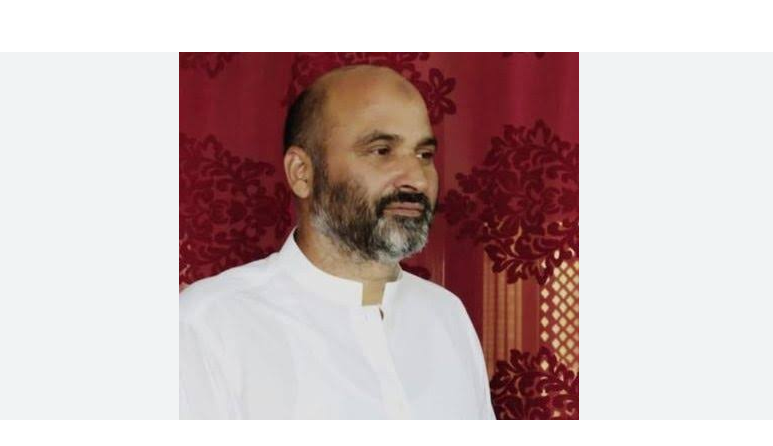
ISLAMABAD — Mushtaq Ahmad Butt, Vice Chairman of Tehreek Shabab-ul-Muslimeen and a prominent Hurriyat leader, has reiterated the enduring significance of the July 19, 1947, Resolution for the Accession to Pakistan. This resolution, passed in Jammu and Kashmir, continues to represent the aspirations of many Kashmiris, according to Butt.
What Happened
In a recent statement, Mushtaq Ahmad Butt emphasized the historical importance of the July 19, 1947, resolution, which called for Jammu and Kashmir’s accession to Pakistan. Butt stated, “The resolution remains a defining milestone in the political history of Jammu and Kashmir and continues to symbolize the aspirations of many Kashmiris.” He underscored that this resolution is a testament to the longstanding desire of the Kashmiri people to align with Pakistan, reflecting their cultural and religious ties.
The resolution was initially passed by the All Jammu and Kashmir Muslim Conference, which was led by Sardar Muhammad Ibrahim Khan. It marked a pivotal moment in the history of the region, setting the stage for the complex political dynamics that have unfolded over the decades. Butt’s reaffirmation of the resolution’s significance comes at a time when the region continues to grapple with political tensions and aspirations for self-determination.
Background
The July 19, 1947, resolution was adopted just before the partition of British India, a period marked by significant political upheaval and the drawing of new national boundaries. The resolution was a response to the impending partition, as the princely states of British India were given the choice to join either India or Pakistan. The All Jammu and Kashmir Muslim Conference’s decision to support accession to Pakistan was influenced by the demographic composition of the region, which had a Muslim majority.
Since then, the status of Jammu and Kashmir has been a contentious issue between India and Pakistan, leading to multiple wars and ongoing diplomatic tensions. The region has been the focus of international attention, with both countries claiming it in full but controlling only parts of it. The aspirations of the Kashmiri people have been central to this dispute, with various political groups advocating for either integration with Pakistan, independence, or greater autonomy within India.
Why It Matters
The reaffirmation of the July 19, 1947, resolution by Mushtaq Ahmad Butt is significant in the context of ongoing political developments in Jammu and Kashmir. The region has experienced heightened tensions, particularly following the Indian government’s decision in August 2019 to abrogate Article 370, which granted special autonomy to Jammu and Kashmir. This move was met with widespread protests and has been a point of contention in India-Pakistan relations.
Butt’s statement reflects the enduring sentiment among many Kashmiris who view the resolution as a foundational document that aligns with their aspirations. The resolution’s continued relevance underscores the unresolved nature of the Kashmir conflict and the need for a political solution that addresses the desires of the Kashmiri people.
Internationally, the Kashmir issue remains a significant point of discussion, with various countries and organizations calling for dialogue and peaceful resolution. The reaffirmation of the resolution’s significance by a Hurriyat leader like Butt highlights the persistent demand for self-determination and the importance of addressing historical grievances to achieve lasting peace in the region.
Key Takeaways
- Mushtaq Ahmad Butt reaffirms the significance of the July 19, 1947, resolution for Jammu and Kashmir’s accession to Pakistan.
- The resolution is seen as a key historical document representing the aspirations of many Kashmiris.
- The status of Jammu and Kashmir remains a contentious issue between India and Pakistan, with ongoing political tensions.
- The resolution’s reaffirmation highlights the need for a political solution to address the aspirations of the Kashmiri people.
- International attention continues to focus on the Kashmir conflict, emphasizing the need for dialogue and peaceful resolution.
Source Attribution
This article is based on official government statements, press releases, and public communications from relevant authorities.














