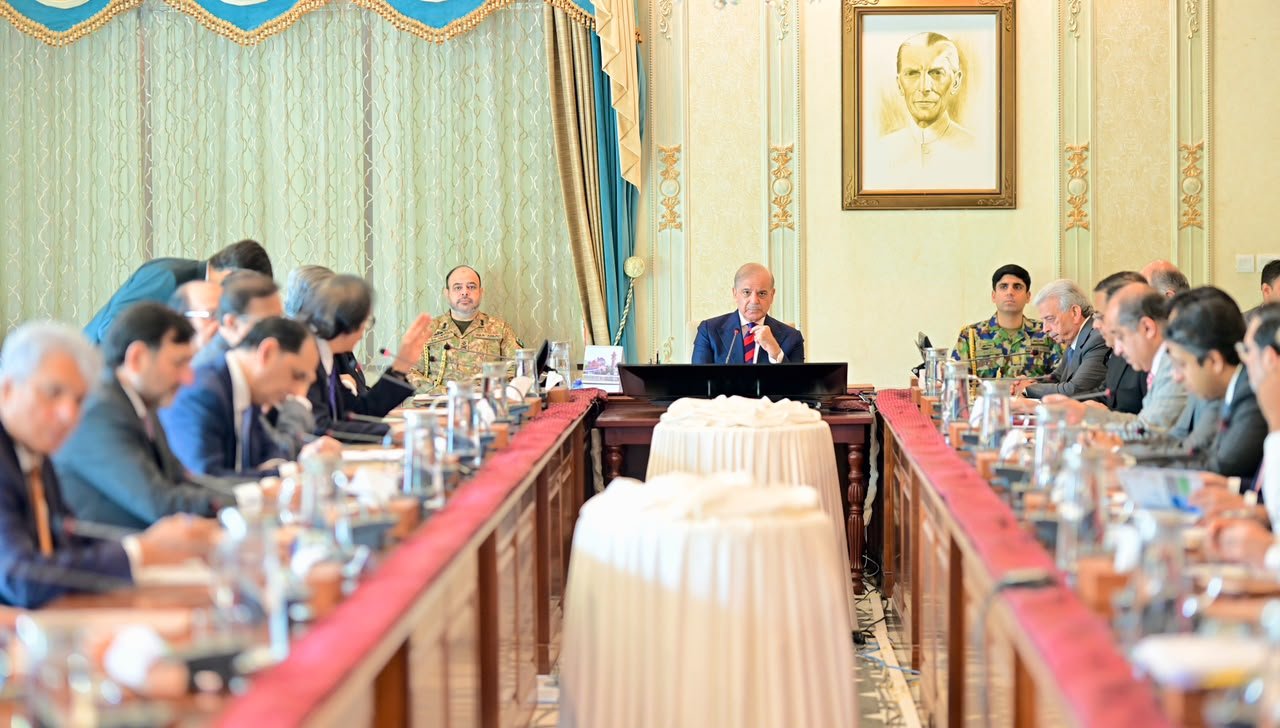
ISLAMABAD — The National Assembly Standing Committee on Inter Provincial Coordination (IPC) has advised the Pakistan Football Federation (PFF) to revise its constitution and regulations to align with FIFA’s requirements. This recommendation aims to foster the development of football within the country. The committee meeting took place under the temporary leadership of Dr. Mahreen Razzaq Bhutto.
What Happened
During the meeting held in Islamabad, the IPC Committee emphasized the importance of aligning the PFF’s constitution with FIFA’s guidelines to ensure the effective governance and growth of football in Pakistan. Dr. Mahreen Razzaq Bhutto, serving as the acting chairperson, led the discussions that highlighted the need for structural reforms within the PFF. The committee underscored that adherence to international standards is crucial for the PFF to function optimally and to enhance the country’s footballing capabilities.
The committee’s recommendation comes in the wake of ongoing challenges faced by the PFF, which include governance issues and a lack of consistent development programs. By aligning with FIFA’s rules, the PFF is expected to improve its governance structure, making it more transparent and accountable. This alignment is also seen as a step towards regaining FIFA’s confidence, which is essential for Pakistan to participate in international competitions and receive developmental support.
Dr. Bhutto expressed the committee’s commitment to supporting the PFF in this transition. “It is imperative that the PFF adheres to international standards to ensure the growth and development of football in Pakistan,” she stated. The committee also discussed potential strategies to support the PFF in implementing these changes effectively.
Background
The PFF has faced numerous challenges over the years, including internal conflicts and administrative issues that have hindered the development of football in Pakistan. In the past, FIFA has suspended the PFF due to third-party interference, which violated FIFA’s statutes. These suspensions have adversely affected the country’s ability to participate in international tournaments and access FIFA’s developmental programs.
FIFA’s regulations require national football associations to operate independently, free from government interference, and to maintain a governance structure that promotes transparency and accountability. The PFF’s alignment with these regulations is seen as a critical step towards resolving past issues and moving forward with a clear vision for the future of football in Pakistan.
Why It Matters
The recommendation by the NA Standing Committee is significant as it addresses the fundamental governance issues that have plagued the PFF for years. By aligning its constitution with FIFA’s standards, the PFF can potentially restore its reputation on the international stage. This alignment is expected to lead to improved governance, increased transparency, and enhanced accountability within the federation.
For Pakistani footballers and fans, these changes could mean better opportunities to participate in international competitions and access to improved training and development programs. The alignment could also attract international partnerships and investments, further boosting the sport’s growth in the country.
Moreover, the successful implementation of these recommendations could serve as a model for other sports federations in Pakistan, encouraging them to adopt similar reforms to enhance their governance structures. This could lead to a broader improvement in the management and development of sports across the country, contributing to Pakistan’s overall sporting success.
Key Takeaways
- The NA Standing Committee on IPC recommends the PFF align its constitution with FIFA standards.
- Dr. Mahreen Razzaq Bhutto chaired the committee meeting, emphasizing the need for reform.
- Aligning with FIFA’s rules is crucial for regaining international confidence and support.
- The PFF’s past governance issues have hindered football development in Pakistan.
- Successful alignment could lead to improved opportunities and international partnerships.
Source Attribution
This article is based on official government statements and public communications from relevant authorities.