
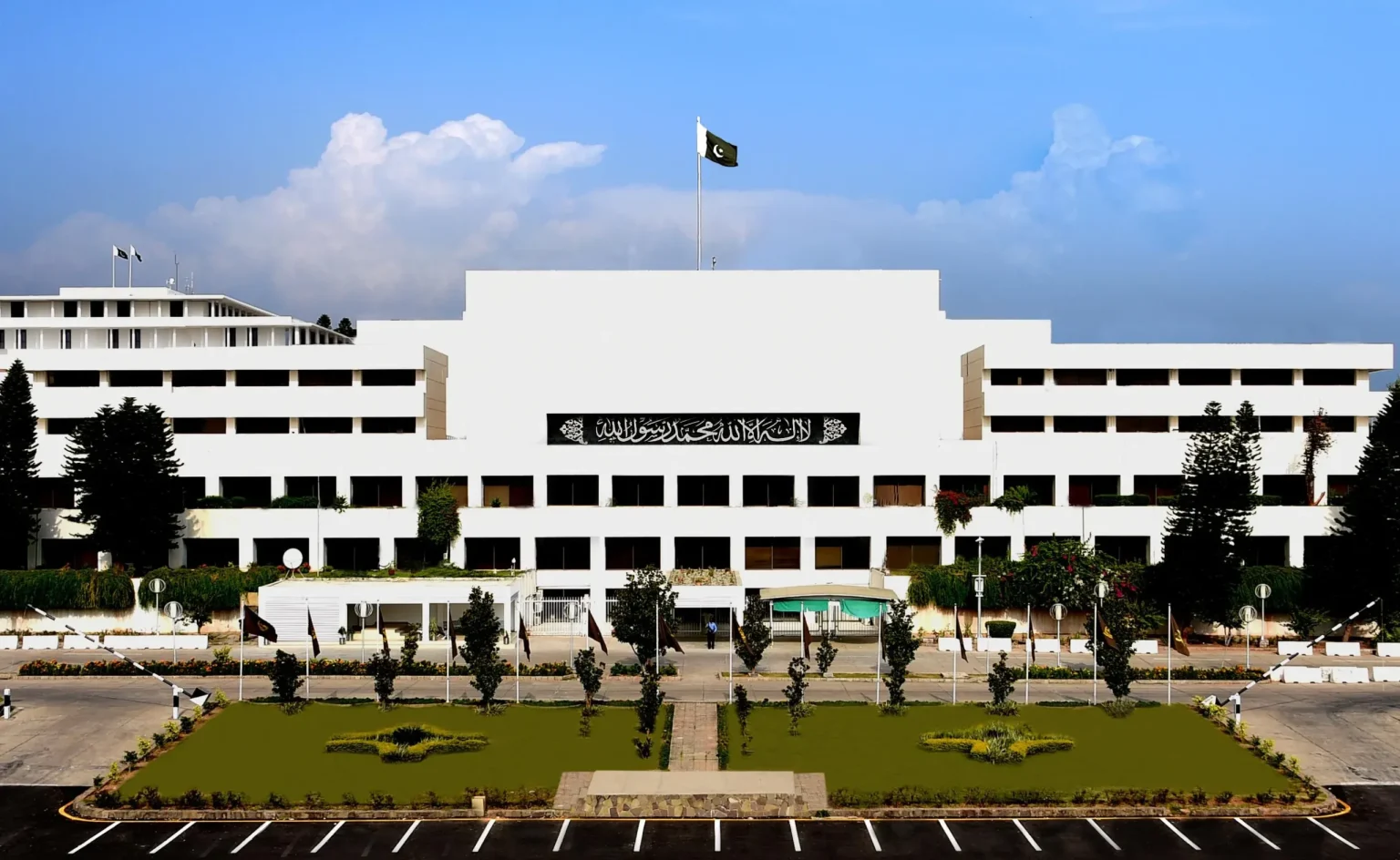
ISLAMABAD — The National Assembly of Pakistan has extended its current session until August 28, following a decision by the House Business Advisory Committee. The meeting, chaired by Speaker Sardar Ayaz Sadiq, took place at the Parliament House on Monday, where the agenda and duration of the 29th session were discussed.
What Happened
The House Business Advisory Committee convened to deliberate on the ongoing 29th session of the National Assembly, ultimately deciding to extend the session until August 28. This decision was made to ensure that all pending legislative business could be addressed effectively. Speaker Sardar Ayaz Sadiq presided over the meeting, which included discussions on various legislative matters that require the assembly’s attention.
The extension of the session reflects the assembly’s commitment to addressing critical legislative issues. The decision comes at a time when several important bills are pending, and the extended timeframe is expected to provide lawmakers with sufficient opportunity to debate and pass necessary legislation. The committee emphasized the importance of utilizing the extended session to focus on key national issues and ensure that the legislative process is not hindered by time constraints.
During the meeting, members of the committee also reviewed the agenda for the remaining days of the session. They highlighted the need for comprehensive discussions on pressing national matters, including economic policies, social welfare programs, and security concerns. The committee’s decision to extend the session underscores the assembly’s dedication to fulfilling its legislative duties and addressing the needs of the nation.
Background
The National Assembly of Pakistan, as the lower house of the country’s bicameral parliament, plays a crucial role in the legislative process. It is responsible for debating and passing laws, as well as overseeing the implementation of government policies. The assembly’s sessions are typically scheduled to address a wide range of legislative and policy issues, with the House Business Advisory Committee playing a key role in determining the agenda and duration of each session.
Historically, the National Assembly has faced challenges in managing its legislative workload, often necessitating the extension of sessions to ensure that important bills are not left pending. The current session is the 29th since the assembly’s formation, and its extension reflects the ongoing efforts to address the legislative backlog and ensure that critical issues are given due consideration.
Why It Matters
The extension of the National Assembly session until August 28 holds significant implications for Pakistan’s legislative process and governance. By providing additional time for lawmakers to address pending bills, the extension ensures that the legislative process is thorough and comprehensive. This is particularly important given the range of critical issues currently facing the nation, including economic challenges, social welfare concerns, and security threats.
Economically, the extended session allows for more detailed discussions on policies aimed at stabilizing the economy and promoting growth. Lawmakers can engage in debates on fiscal policies, trade agreements, and initiatives to attract foreign investment, all of which are crucial for Pakistan’s economic recovery and development.
Socially, the extension provides an opportunity to address pressing issues related to education, healthcare, and social welfare. With additional time, the assembly can focus on formulating policies that enhance the quality of life for citizens, particularly in areas such as poverty alleviation, healthcare access, and educational reforms.
Politically, the extended session demonstrates the assembly’s commitment to fulfilling its legislative responsibilities and maintaining transparency in the governance process. It allows for greater scrutiny of government actions and policies, ensuring that the executive branch is held accountable to the public.
Key Takeaways
- The National Assembly session has been extended until August 28 to address pending legislative business.
- The House Business Advisory Committee made the decision, chaired by Speaker Sardar Ayaz Sadiq.
- The extension provides additional time for lawmakers to debate and pass important bills.
- Economic, social, and political issues are expected to be a focus during the extended session.
- The decision underscores the assembly’s commitment to fulfilling its legislative duties.
Source Attribution
This article is based on official government statements, press releases, and public communications from relevant authorities.














