
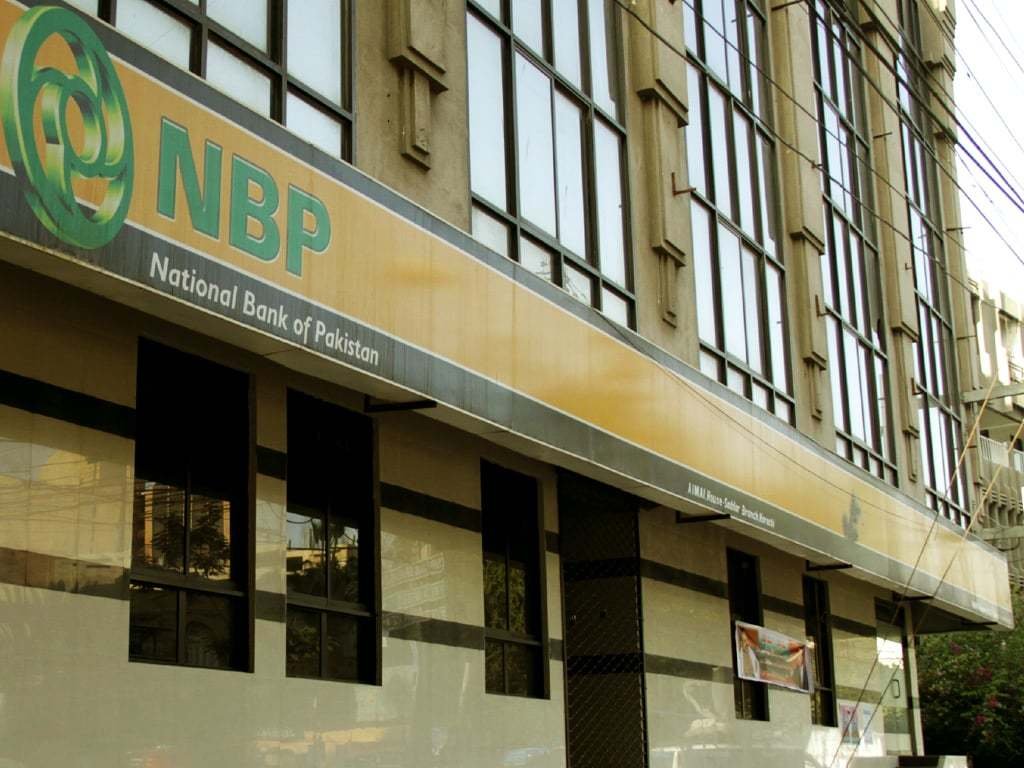
KARACHI — The National Bank of Pakistan (NBP) has announced the latest buying and selling rates for major foreign currencies as of Tuesday, August 18. These rates are crucial for businesses and individuals engaged in foreign trade and travel, providing a benchmark for currency conversion across the country.
What Happened
The NBP has updated its currency exchange rates, which are essential for various economic activities involving foreign currencies. As per the latest figures, the US dollar is being sold at 279.39 PKR, reflecting the ongoing fluctuations in the exchange market. The buying rate for the US dollar is set slightly lower, indicating the spread that banks maintain for currency transactions.
The currency rates are a critical tool for importers, exporters, and travelers who need to convert their money into foreign currencies. The NBP’s rates are considered a reliable source for these transactions, often influencing the rates set by other financial institutions in Pakistan.
According to an official statement from the NBP, these rates are subject to change based on global market conditions and domestic economic factors. The bank regularly updates these rates to reflect the most current market conditions, ensuring that stakeholders have access to accurate and timely information.
Background
The National Bank of Pakistan, as a key financial institution, plays a significant role in the country’s banking sector. It regularly issues currency exchange rates that serve as a standard for other banks and financial institutions. These rates are influenced by various factors, including international currency markets, trade balances, and economic policies.
Historically, Pakistan’s currency exchange rates have been affected by a combination of domestic economic policies and global financial trends. The country’s reliance on imports and the need for foreign currency reserves often put pressure on the Pakistani rupee, leading to fluctuations in exchange rates.
In recent years, the State Bank of Pakistan has implemented various measures to stabilize the currency, including monetary policy adjustments and interventions in the foreign exchange market. These efforts aim to maintain a balance between supply and demand for foreign currencies, thereby stabilizing the rupee.
Why It Matters
The exchange rates released by the NBP have significant implications for Pakistan’s economy. For businesses involved in international trade, these rates determine the cost of importing goods and the revenue from exports. A higher exchange rate for the US dollar, for instance, can increase the cost of imported goods, impacting inflation and consumer prices.
For individuals, especially those planning to travel abroad or send remittances, the exchange rate affects the amount of foreign currency they can obtain with their Pakistani rupees. This can influence travel plans and the purchasing power of remittances sent to family members.
On a broader scale, the exchange rate is a reflection of the country’s economic health. A stable or appreciating rupee can signal investor confidence and economic stability, while a depreciating currency might indicate economic challenges or external pressures.
Furthermore, the NBP’s exchange rates can impact foreign investment decisions. Investors often consider currency stability when evaluating potential investments in a country. A volatile exchange rate can deter investment, whereas a stable currency can attract foreign capital, contributing to economic growth.
Key Takeaways
- The NBP has announced updated buying and selling rates for major currencies, including the US dollar.
- The US dollar is currently being sold at 279.39 PKR, reflecting market fluctuations.
- These rates are crucial for businesses and individuals engaged in foreign trade and travel.
- Exchange rates impact the cost of imports, exports, and remittances, influencing economic stability.
- Currency stability is a key factor for attracting foreign investment and maintaining economic confidence.
Source Attribution
This article is based on official government statements, press releases, and public communications from relevant authorities.














