
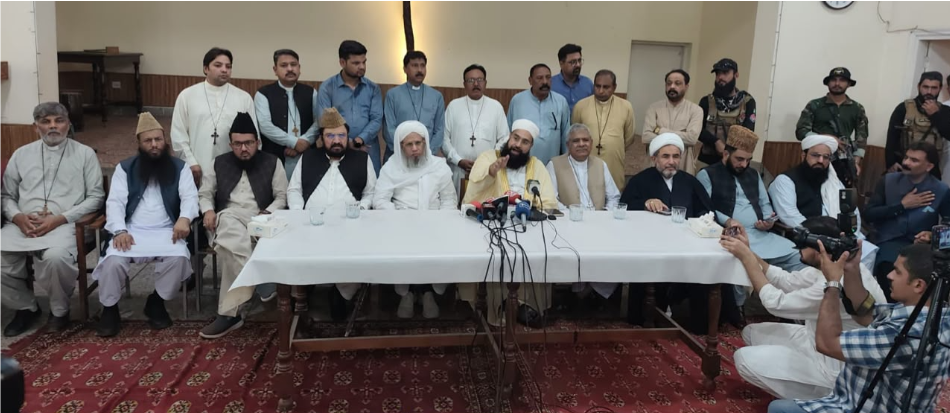
ISLAMABAD — Religious scholars and spiritual leaders from across Pakistan, under the banner of the National Paigham-e-Aman Committee, have issued a strong condemnation of the recent suicide attack in Swat. The committee, which includes representatives from all major schools of thought, described the attack as a heinous act that contradicts the fundamental teachings of Islam. In a joint statement, they expressed profound grief over the tragic incident, reaffirming their collective resolve to stand united against terrorism.
What Happened
On August 2, a suicide bomber targeted a gathering in Swat, resulting in multiple casualties and injuries. The attack has sent shockwaves throughout the nation, prompting widespread condemnation from various quarters. The National Paigham-e-Aman Committee, in its statement, emphasized that such acts of violence have no place in a society that values peace and harmony. The scholars reiterated that Islam is a religion of peace and that the perpetrators of such attacks are misguided individuals who misinterpret religious teachings for their own malicious intents.
The committee’s statement further highlighted the importance of unity among different sects and communities in Pakistan to combat the menace of terrorism. “We urge all citizens to remain vigilant and support the authorities in their efforts to maintain peace and security,” the statement read. The leaders also extended their condolences to the families of the victims and prayed for the swift recovery of those injured.
Background
Swat, a region once plagued by militant activities, has seen a resurgence in violence in recent months. The area was previously under the control of the Tehreek-e-Taliban Pakistan (TTP) until a military operation in 2009 restored government control. Despite these efforts, sporadic attacks have continued to challenge the region’s stability. The National Paigham-e-Aman Committee, established to promote peace and harmony, has been instrumental in fostering interfaith dialogue and countering extremist narratives.
In recent years, Pakistan has made significant strides in its fight against terrorism, with military operations like Zarb-e-Azb and Radd-ul-Fasaad targeting militant hideouts across the country. However, the persistent threat of terrorism necessitates a continuous and united effort from all segments of society to ensure lasting peace.
Why It Matters
The condemnation by the National Paigham-e-Aman Committee holds significant weight in Pakistan’s socio-political landscape. As a body comprising influential religious figures, its statements can sway public opinion and encourage unity among diverse religious communities. This unified stance against terrorism is crucial in a country where sectarian and religious divides have historically been exploited by extremist groups.
The attack in Swat underscores the ongoing challenges Pakistan faces in its quest for peace. Despite military successes, the ideological battle against extremism remains a critical front. The committee’s call for unity and vigilance is a reminder that defeating terrorism requires more than just military might; it demands a societal commitment to peace and tolerance.
Economically, persistent terrorism can deter investment and hinder development, particularly in regions like Swat that are striving to rebuild and attract tourism. Socially, such attacks instill fear and disrupt the daily lives of citizens, emphasizing the need for cohesive community efforts to support counter-terrorism initiatives.
Key Takeaways
- The National Paigham-e-Aman Committee condemned the Swat suicide attack, emphasizing its contradiction to Islamic teachings.
- Religious leaders urged unity and vigilance among citizens to combat terrorism effectively.
- Swat’s history of militant activity highlights the ongoing security challenges in the region.
- The committee’s influence is vital in promoting peace and countering extremist narratives in Pakistan.
- Continued efforts are needed to ensure economic and social stability in affected regions.
Source Attribution
This article is based on official government statements, press releases, and public communications from relevant authorities.














