
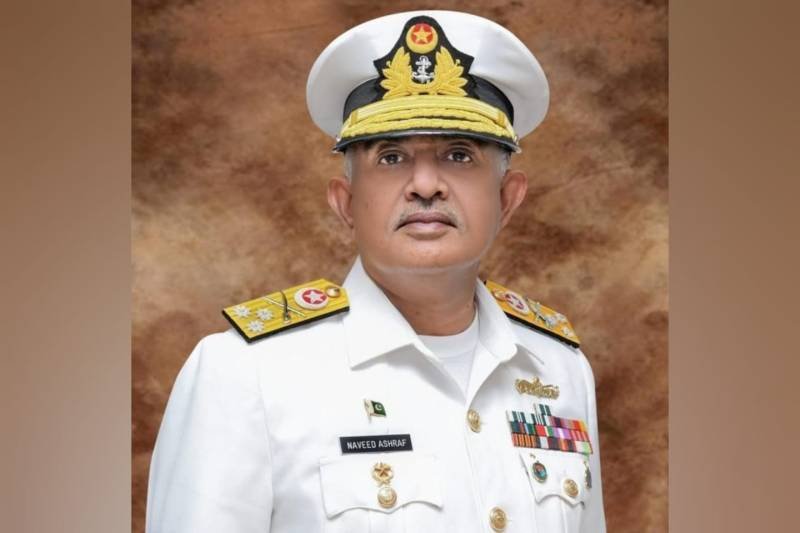
ISLAMABAD — Chief of the Naval Staff, Admiral Naveed Ashraf, emphasized the necessity of cultivating a technologically skilled workforce to meet the demands of future warfare. On Wednesday, he highlighted the critical role such a naval force will play in ensuring national security.
Technological Advancements in Warfare
Admiral Ashraf outlined the need for the Pakistan Navy to develop expertise in advanced technologies. He noted that warfare is evolving rapidly, with technology as a central component of military strategy and operations. He stated, “Developing and sustaining a future-ready, intellectually astute, and technologically proficient workforce is essential for future warfare.”
His remarks coincide with global military investments in technological advancements. Admiral Ashraf stressed that integrating cutting-edge technology into naval operations is crucial. The Pakistan Navy must keep pace with technological trends to effectively safeguard maritime interests.
Commitment to Education and Training
The Navy is committed to investing in education and training programs focused on emerging technologies like artificial intelligence, cyber warfare, and autonomous systems. Admiral Ashraf emphasized these efforts as essential for preparing naval personnel for a complex, advanced warfare environment.
Background on Modernization Efforts
The push for a skilled military workforce is not new. The Pakistan Navy has been actively modernizing its operational capabilities. This includes inducting advanced naval vessels, submarines, and aircraft equipped with state-of-the-art technology.
Historically, the Navy has played a pivotal role in protecting maritime borders and sea lanes. However, the global shift towards technology in warfare has necessitated a focus on developing human resources to leverage these advancements effectively.
Globally, navies like those of the United States, China, and Russia are prioritizing technology integration, recognizing its strategic advantages in modern warfare.
Significance of a Skilled Workforce
A technologically skilled workforce is crucial for several reasons:
- Economically: It can drive innovation within the military, enhancing efficiency and effectiveness, leading to cost savings.
- Socially: Technology-driven education can create opportunities for Pakistani youth, fostering job creation and economic growth.
- Politically: An advanced naval force elevates Pakistan’s international standing, deterring potential adversaries and supporting regional stability.
- Internationally: A skilled workforce enables collaboration with other advanced nations, facilitating knowledge sharing and partnerships.














