
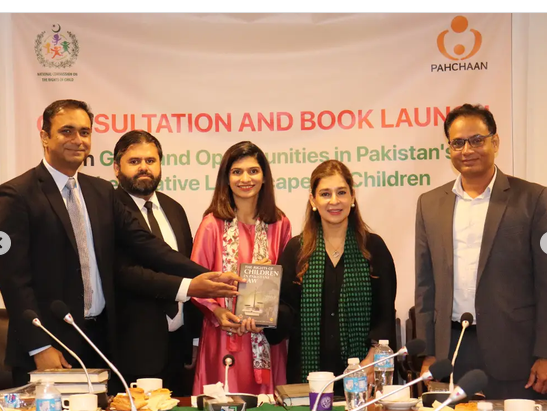
ISLAMABAD — The National Commission on the Rights of Child (NCRC) and Protection and Help of Children Against Abuse and Neglect (PAHCHAAN) held a consultation on Friday to discuss the legislative gaps and opportunities concerning child rights in Pakistan. The event also marked the launch of the fifth edition of the book “The Rights of Children in Pakistani Law.”
What Happened
The consultation, titled “Gaps and Opportunities in Pakistan’s Legislative Landscape for Children,” brought together stakeholders from various sectors to deliberate on the current state of child rights laws in Pakistan. The event underscored the need for comprehensive legal reforms to protect children from abuse and neglect. According to a press release, the consultation aimed to identify legislative shortcomings and explore potential enhancements to existing laws.
The book launch was a significant part of the event, providing an updated resource on the rights of children within the Pakistani legal framework. The fifth edition of “The Rights of Children in Pakistani Law” serves as a critical tool for policymakers, legal practitioners, and child rights advocates, offering insights into the legislative measures in place and areas needing improvement.
Participants at the event included legal experts, child rights activists, and representatives from governmental and non-governmental organizations. They discussed various challenges, such as the implementation of existing laws, the need for new legislation, and the importance of harmonizing national laws with international child rights conventions.
Dr. Naeem Zafar, Chairperson of NCRC, emphasized the importance of such consultations in fostering a collaborative approach to child rights. “Our goal is to ensure that every child in Pakistan is protected by robust laws that are effectively implemented,” he stated. Meanwhile, Dr. Asif Mehmood Jah, a representative from PAHCHAAN, highlighted the need for increased awareness and education on child rights among the public and policymakers.
Background
Child rights in Pakistan have been a subject of concern for many years, with various international and local organizations calling for reforms. Pakistan is a signatory to the United Nations Convention on the Rights of the Child (UNCRC), which mandates the protection of children’s rights to survival, development, protection, and participation. Despite this commitment, the country faces challenges in fully implementing these rights due to socio-economic, cultural, and political factors.
Previous efforts to strengthen child rights legislation have included the enactment of the Juvenile Justice System Act, the Child Protection System Bill, and various provincial child protection laws. However, gaps remain in terms of enforcement and coverage, particularly in rural and underdeveloped areas.
Why It Matters
The strengthening of child rights laws in Pakistan is crucial for several reasons. Economically, protecting children from abuse and neglect can reduce long-term societal costs associated with healthcare, legal proceedings, and social services. Socially, it contributes to the overall well-being and development of the younger population, ensuring they grow up in a safe and nurturing environment.
Politically, enhancing child rights legislation aligns with Pakistan’s international commitments and improves its standing in the global community. It also demonstrates the government’s dedication to upholding human rights and can foster greater trust and cooperation with international partners and donors.
For citizens, particularly children and their families, stronger legal protections can lead to improved quality of life and access to justice. It can empower communities to advocate for their rights and hold authorities accountable for the protection and welfare of children.
Key Takeaways
- The NCRC and PAHCHAAN held a consultation to address gaps in child rights legislation in Pakistan.
- The event included the launch of the fifth edition of “The Rights of Children in Pakistani Law.”
- Stakeholders discussed the need for legal reforms and better implementation of existing laws.
- Strengthening child rights laws is vital for economic, social, and political reasons.
- Improved legislation can enhance Pakistan’s international standing and benefit its citizens.
Source Attribution
This article is based on official government statements, press releases, and public communications from relevant authorities.














