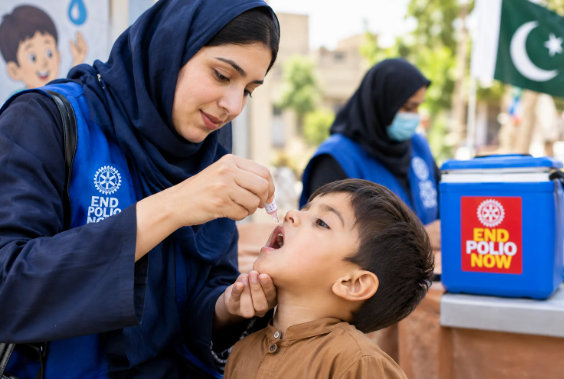
ISLAMABAD — The anti-polio campaign in Islamabad commenced with the vaccination of 151,598 children on its first day, as authorities set a target to immunize a total of 447,614 children during the ongoing drive. This initiative is part of Pakistan’s continued efforts to eradicate polio, a disease that remains endemic in only a few countries worldwide.
What Happened
The vaccination campaign in Islamabad, which began on September 21, 2023, saw a significant turnout as health workers aimed to reach over 447,000 children under the age of five. On the first day, polio teams successfully vaccinated 151,598 children, achieving 34 percent of the campaign’s overall target. This progress was reported during a review meeting attended by health officials and campaign coordinators.
Dr. Faisal Sultan, Special Assistant to the Prime Minister on Health, praised the efforts of the healthcare workers and volunteers involved in the campaign. He stated, “The dedication of our teams is commendable, and their work is crucial in ensuring that every child is protected against polio.” The campaign is part of a broader national effort to eliminate polio from Pakistan, which has been battling the disease for decades.
Health authorities have deployed thousands of polio workers across the federal capital, ensuring that the campaign reaches every household. The teams are conducting door-to-door vaccinations, with a focus on high-risk areas identified through previous surveillance data. The campaign will continue over the next few days, with the aim of reaching the remaining children who have not yet been vaccinated.
Background
Polio, a highly infectious viral disease, primarily affects children under the age of five and can lead to irreversible paralysis. Pakistan, along with Afghanistan, is one of the last two countries where polio is still endemic. Despite significant progress in recent years, challenges such as vaccine hesitancy, misinformation, and logistical issues have hindered complete eradication.
The government of Pakistan has been conducting regular polio vaccination campaigns in collaboration with international organizations such as the World Health Organization (WHO) and UNICEF. These campaigns are part of the Global Polio Eradication Initiative, which aims to eliminate the disease worldwide. Over the years, Pakistan has made substantial strides in reducing polio cases, with only a handful of cases reported in recent years compared to hundreds in the past.
Why It Matters
The successful execution of the polio vaccination campaign in Islamabad is critical for several reasons. Firstly, it demonstrates the government’s commitment to public health and its determination to eradicate polio from the country. The campaign’s success also reflects the effectiveness of the strategies employed by health authorities, including community engagement and targeted outreach in high-risk areas.
Economically, eradicating polio can save Pakistan millions of dollars in healthcare costs and improve the quality of life for its citizens. Polio eradication efforts are also linked to broader health initiatives, as they strengthen healthcare infrastructure and improve access to essential services. Socially, eliminating polio will alleviate the burden on families affected by the disease, allowing children to grow up healthy and free from the threat of paralysis.
Internationally, Pakistan’s progress in polio eradication is closely monitored, as the country plays a crucial role in the global effort to eliminate the disease. Success in Pakistan would bring the world closer to achieving the goal of a polio-free future, benefiting millions of children worldwide.
Key Takeaways
- The Islamabad polio campaign vaccinated 151,598 children on its first day, aiming for a total of 447,614.
- Health workers are conducting door-to-door vaccinations, focusing on high-risk areas.
- Polio remains endemic in Pakistan and Afghanistan, with global efforts focused on eradication.
- Eradicating polio will save healthcare costs and improve the quality of life in Pakistan.
- Pakistan’s success in polio eradication is vital for global public health efforts.
Source Attribution
This article is based on official government statements, press releases, and public communications from relevant authorities.