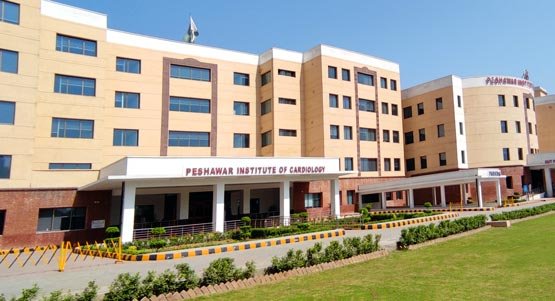
MULTAN — Over 2,200 patients are currently on the waiting list for open-heart surgery at the Cardiology Institute in Multan, according to official sources. The institute is performing approximately 10 such surgeries daily, highlighting the significant backlog and demand for cardiac procedures.
What Happened
The Cardiology Institute in Multan is facing a substantial backlog, with over 2,200 patients awaiting open-heart surgery. According to official sources, the institute is conducting about 10 surgeries each day. The patients have been categorized based on the urgency of their medical conditions, with some requiring immediate attention due to the critical nature of their heart issues.
The waiting list includes patients with varying degrees of urgency, from those needing immediate surgery to others who can afford to wait longer. This categorization is crucial for managing the limited resources and surgical capacity of the institute. Despite the daily surgeries, the number of patients awaiting treatment continues to grow, indicating a significant challenge for the healthcare facility.
The institute’s staff is reportedly working tirelessly to address the backlog, but the demand far exceeds the current operational capacity. This situation underscores the pressing need for increased resources and potentially expanded facilities to accommodate the growing number of cardiac patients in the region.
Background
The Cardiology Institute in Multan is one of the key healthcare facilities in the region, providing specialized cardiac care to patients from Multan and surrounding areas. Open-heart surgery is a critical procedure for patients with severe heart conditions, often involving complex operations that require skilled surgeons and specialized equipment.
Historically, the demand for cardiac surgeries in Pakistan has been on the rise due to an increase in heart-related ailments, attributed to factors such as unhealthy lifestyles, lack of awareness, and limited access to preventive healthcare. The institute has been striving to meet these demands, but resource constraints have led to significant waiting times for patients.
Why It Matters
The backlog of over 2,200 patients awaiting open-heart surgery at the Cardiology Institute in Multan has significant implications for public health in the region. Delays in receiving necessary cardiac care can lead to deteriorating health conditions and, in severe cases, increased mortality rates among patients.
This situation highlights the urgent need for healthcare system reforms, including increased funding, better resource allocation, and expansion of facilities to meet the growing demand for cardiac care. The current backlog also stresses the importance of preventive healthcare measures to reduce the incidence of heart diseases, which could alleviate some of the pressure on surgical services.
From an economic perspective, the inability to provide timely cardiac care can lead to increased healthcare costs in the long term, as untreated heart conditions often result in more severe health issues that require extensive treatment. Additionally, the backlog affects patients’ quality of life and productivity, impacting their families and the broader community.
Internationally, this situation may reflect on Pakistan’s healthcare system’s capacity to handle complex medical needs, potentially influencing foreign aid and investment in the country’s health sector. Addressing these challenges is crucial for improving health outcomes and enhancing the overall healthcare infrastructure in Pakistan.
Key Takeaways
- Over 2,200 patients are awaiting open-heart surgery at the Multan Cardiology Institute.
- The institute performs approximately 10 surgeries daily, indicating a significant backlog.
- Patients are categorized based on the urgency of their medical conditions.
- The backlog underscores the need for increased resources and expanded facilities.
- Delays in cardiac care can lead to deteriorating health and increased healthcare costs.
Source Attribution
This article is based on official government statements, press releases, and public communications from relevant authorities.