
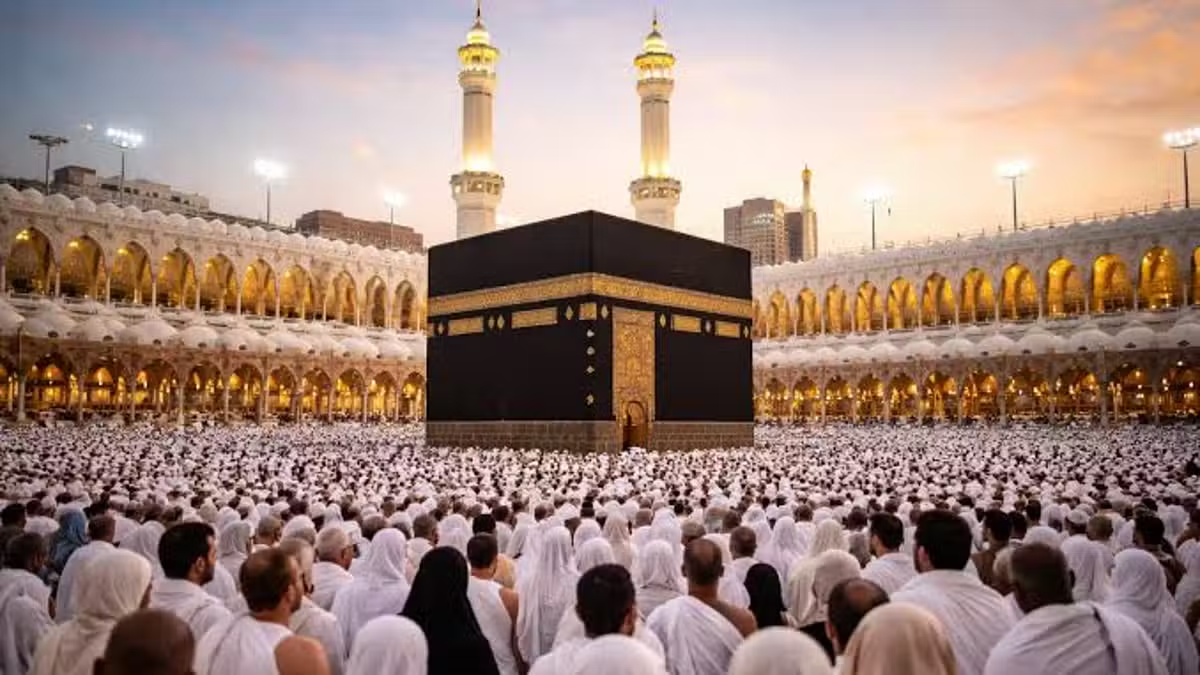
ISLAMABAD — The Ministry of Religious Affairs has announced that online registrations for Hajj 2027–2030 have exceeded 340,000, marking a significant engagement from Pakistani pilgrims. As of July 18, 246,000 applicants have registered under the government Hajj scheme, while 94,000 have opted for the private scheme.
What Happened
The registration process for Hajj 2027–2030 is currently underway, and the Ministry of Religious Affairs has reported a substantial number of online registrations. The spokesperson for the ministry confirmed that a total of 340,000 individuals have already registered to perform Hajj during the specified years. Of these, 246,000 have chosen the government-managed scheme, which is traditionally subsidized and often preferred for its affordability. Meanwhile, 94,000 applicants have registered through private tour operators, who offer more personalized services.
The ministry has facilitated the online registration process to ensure ease and accessibility for all intending pilgrims. This digital approach is part of a broader initiative to streamline Hajj preparations and accommodate the growing number of applicants. The spokesperson emphasized that the online system is designed to handle a large volume of applications efficiently, thus reducing the need for physical paperwork and long queues at registration centers.
Applicants are required to submit their personal details, including their national identity card numbers and other relevant documents, through the official Hajj portal. The ministry has also provided guidelines and support to assist applicants in completing the registration process smoothly. The deadline for registration has not yet been announced, but the ministry is encouraging early submissions to ensure all applicants are accommodated.
Background
Hajj is one of the five pillars of Islam, and every Muslim with the financial and physical means is required to perform it at least once in their lifetime. The government of Pakistan, through the Ministry of Religious Affairs, manages the Hajj operations for Pakistani pilgrims. Historically, the government has offered a subsidized Hajj package to make the pilgrimage more accessible to the general population.
In recent years, the government has increasingly utilized technology to facilitate the Hajj registration process. This shift to online registrations aims to improve efficiency and transparency, reducing the chances of errors and fraud. The introduction of digital platforms is part of a larger governmental effort to digitize public services across the country.
Why It Matters
The significant number of registrations for Hajj 2027–2030 underscores the importance of this religious duty for Pakistani Muslims. The high level of participation reflects the strong religious sentiment and commitment among the population. This also indicates the effectiveness of the government’s digital initiatives in making the registration process more accessible.
The move towards online registration is crucial in the context of Pakistan’s broader digital transformation goals. By leveraging technology, the Ministry of Religious Affairs is setting a precedent for other governmental departments to follow. This not only enhances efficiency but also aligns with global trends towards digital governance.
Economically, the Hajj pilgrimage is a substantial contributor to the Saudi economy, and Pakistan’s participation plays a vital role in this. The large number of Pakistani pilgrims also highlights the economic impact on local businesses involved in travel, accommodation, and related services. Furthermore, the digital registration process reduces administrative costs and allows the government to allocate resources more effectively.
Key Takeaways
- Over 340,000 Pakistanis have registered online for Hajj 2027–2030.
- 246,000 applicants opted for the government Hajj scheme, while 94,000 chose private operators.
- The online registration system aims to streamline the process and improve accessibility.
- This initiative is part of Pakistan’s broader digital transformation efforts.
- The high registration numbers reflect strong religious commitment and economic impact.
Source Attribution
This article is based on official government statements, press releases, and public communications from relevant authorities.














