
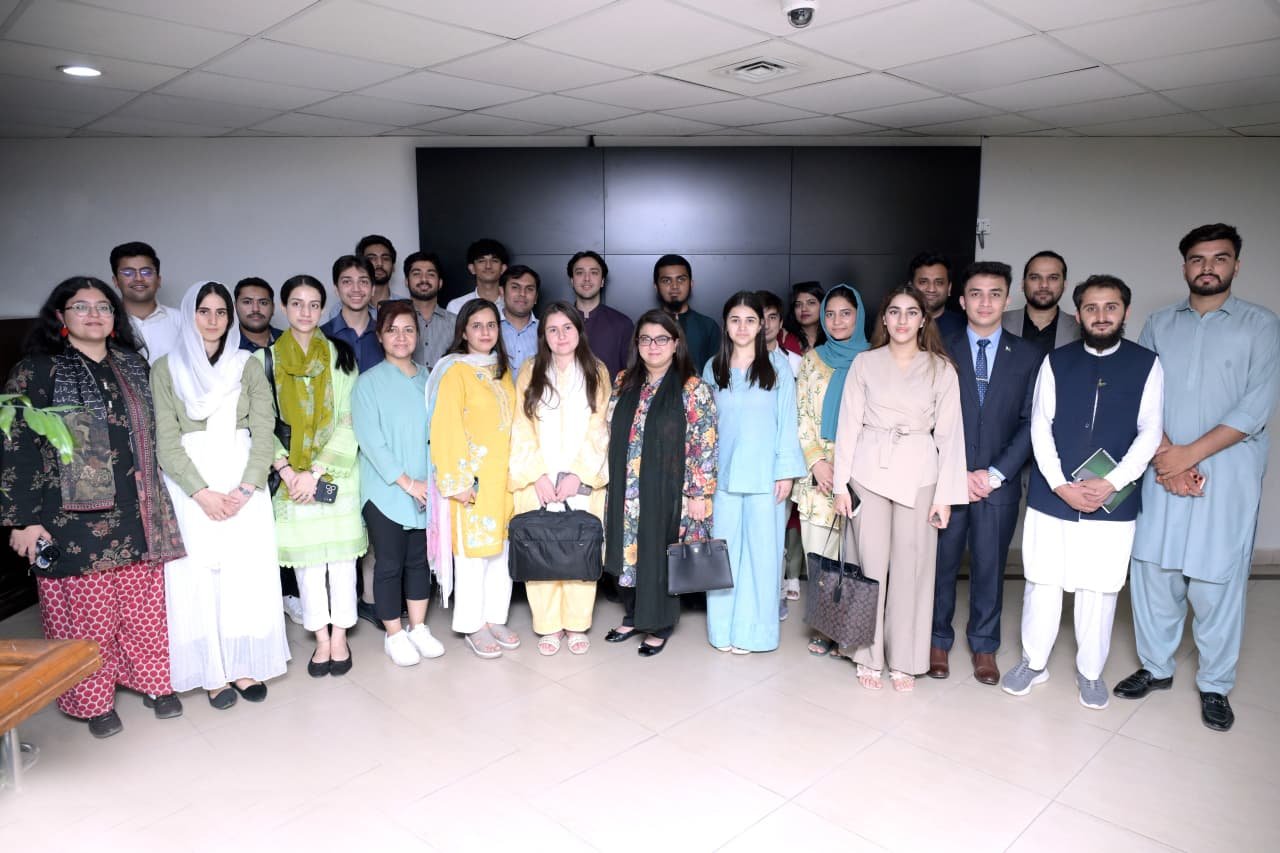
ISLAMABAD — A delegation of overseas students participating in the ‘Mitti Ki Pukaar – URAAN Pakistan’ initiative met with Federal Minister for IT & Telecom Shaza Fatima Khawaja on Monday. The meeting, held in Islamabad, focused on discussions about Pakistan’s digital transformation, artificial intelligence (AI), and ongoing IT initiatives aimed at empowering students.
What Happened
The delegation, comprising international and overseas students, engaged in an hour-long meeting with Minister Shaza Khawaja. The discussions revolved around the ‘Digital Nation’ concept, which aims to integrate technology into various sectors of Pakistan’s economy and society. The students were briefed on the government’s current initiatives in the fields of AI and telecommunications, which are designed to enhance the digital skills of the youth.
Minister Khawaja emphasized the importance of such engagements, stating, “Our youth are the architects of tomorrow’s digital landscape. Initiatives like ‘Mitti Ki Pukaar – URAAN Pakistan’ are crucial in bridging the gap between our students and the global digital economy.” The meeting provided a platform for students to share their perspectives and learn about Pakistan’s efforts in becoming a digitally advanced nation.
The delegation also explored the potential of AI in transforming various sectors, including education, healthcare, and agriculture. The minister highlighted ongoing projects that aim to integrate AI solutions to improve efficiency and productivity in these areas. The students were encouraged to contribute ideas that could further enhance these initiatives.
Background
‘Mitti Ki Pukaar – URAAN Pakistan’ is an initiative designed to connect overseas students with Pakistan’s development projects, particularly in the digital and technological sectors. The program aims to foster a sense of belonging and encourage students to contribute to their home country’s progress. This initiative is part of a broader effort by the government to harness the potential of the Pakistani diaspora in advancing national interests.
Pakistan’s IT sector has been rapidly evolving, with the government prioritizing digital transformation as a key component of economic growth. Recent policies have focused on expanding internet connectivity, promoting digital literacy, and encouraging innovation through technology.
Why It Matters
The meeting between the overseas students and Minister Shaza Khawaja holds significant implications for Pakistan’s future as a digital nation. By engaging with students who have diverse international experiences, the government can gain valuable insights into global trends and best practices in technology and innovation.
Economically, the focus on digital initiatives is expected to create new job opportunities and drive growth in the IT sector. As Pakistan continues to invest in digital infrastructure and education, it positions itself as a competitive player in the global tech industry. This can lead to increased foreign investment and collaboration with international tech firms.
Socially, empowering students with digital skills can lead to a more informed and connected society. By integrating technology into education and other sectors, Pakistan can improve access to information and services, ultimately enhancing the quality of life for its citizens.
Internationally, initiatives like ‘Mitti Ki Pukaar – URAAN Pakistan’ strengthen ties with the Pakistani diaspora, encouraging them to contribute to national development. This can enhance Pakistan’s global image as a country that values its overseas community and leverages their expertise for mutual benefit.
Key Takeaways
- The delegation of overseas students met with Federal Minister Shaza Khawaja to discuss digital initiatives.
- The meeting focused on AI, telecommunications, and the ‘Digital Nation’ concept.
- ‘Mitti Ki Pukaar – URAAN Pakistan’ aims to engage the diaspora in national development.
- Pakistan’s focus on digital transformation is expected to boost economic growth and job creation.
- Engaging with international students provides insights into global tech trends and practices.
Source Attribution
This article is based on official government statements and public communications from relevant authorities.














