
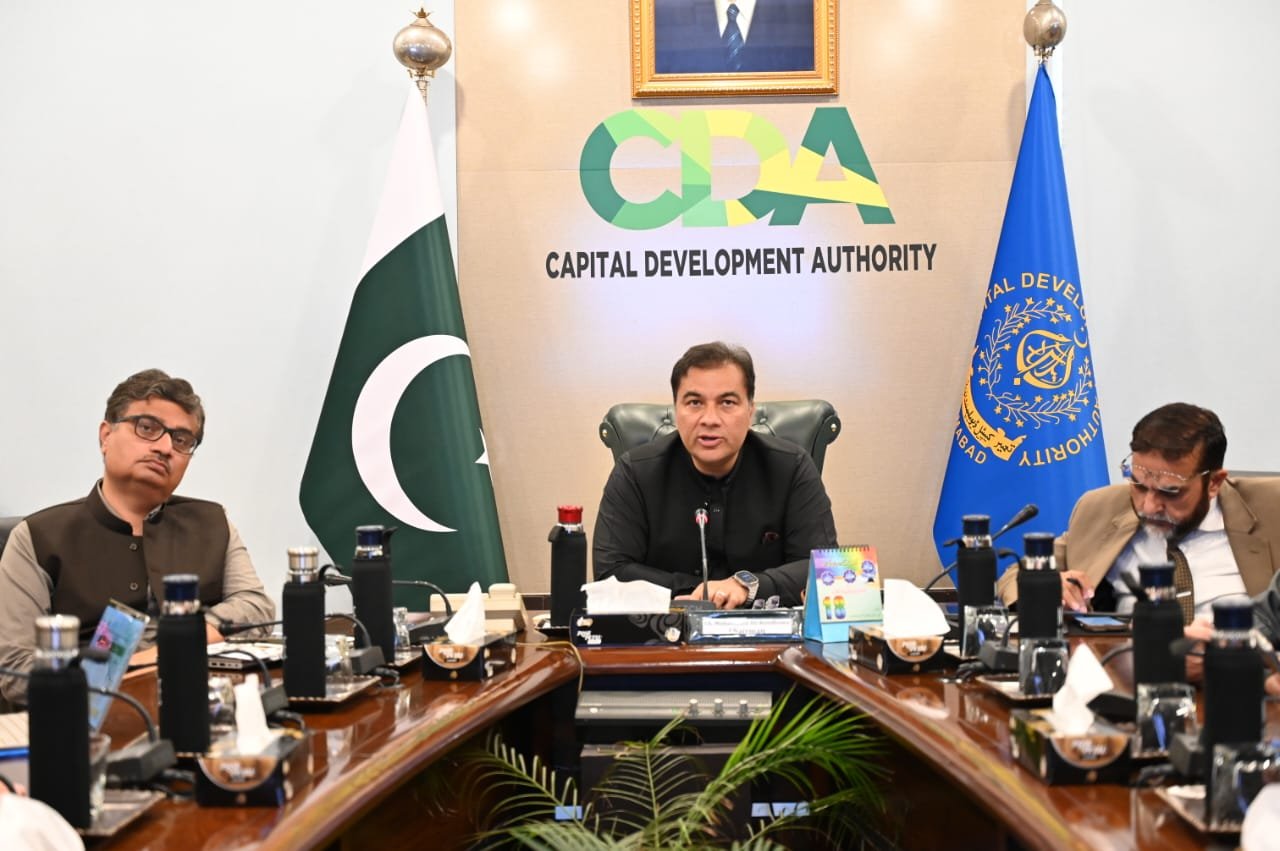
ISLAMABAD — The Public Private Partnership Authority (P3A) Board held its 43rd meeting to discuss key initiatives, notably the Kharian-Rawalpindi motorway project. Chaired by Muhammad Ali, Advisor to the Prime Minister on Privatisation and Chairman of the Privatisation Commission, the meeting aimed to accelerate infrastructure development through collaboration.
Meeting Highlights
In Islamabad, senior officials and stakeholders convened to assess the progress of projects under the public-private partnership (PPP) framework. Muhammad Ali emphasized the importance of these partnerships in bolstering Pakistan’s infrastructure and economy. The board examined several projects, focusing on the Kharian-Rawalpindi motorway, a major infrastructure project intended to enhance connectivity and reduce travel time.
The Kharian-Rawalpindi motorway is projected to significantly boost trade and transportation, contributing to regional economic growth. Set to be implemented under the PPP model, it involves shared investment and risk between public and private sectors. Discussions centered around potential investors and financial plans to ensure project viability and timely completion.
Government Commitment
Muhammad Ali reaffirmed the government’s dedication to encouraging private sector investment in infrastructure. He stated, “The PPP model is crucial for mobilizing private sector resources and expertise to fast-track our infrastructure goals.” The board also evaluated other PPP projects, noting their progress and identifying challenges needing attention for successful execution.
PPP Framework
The Public Private Partnership Authority (P3A) was established to foster collaboration between public and private sectors in infrastructure. Increasingly adopted in Pakistan, the PPP model leverages private sector expertise and funding, reducing government fiscal burden and expediting project delivery.
The Kharian-Rawalpindi motorway is part of a strategic effort to improve Pakistan’s road network, crucial for economic development and connectivity. Previous PPP projects included highways, energy, and urban development, showcasing the model’s versatility across sectors.
Project Importance
Advancing the Kharian-Rawalpindi motorway under the PPP model is of economic importance, representing a strategic infrastructure investment crucial for sustained growth and foreign investment attraction. Improved road connectivity reduces transportation costs and enhances trade efficiency, benefiting the economy.
Socially, the project is expected to generate job opportunities and aid in skill development. Improved infrastructure also ensures better access to essential services, raising quality of life. Politically, successful PPP projects can reinforce public confidence in government infrastructure plans, promoting stability. The model supports Pakistan’s goals of sustainable development and reduced foreign dependency.














