
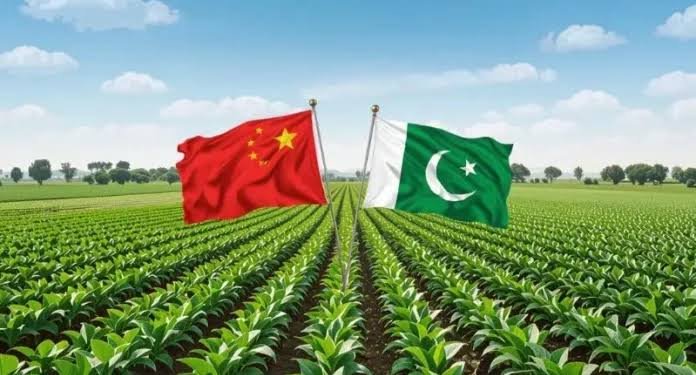
LAHORE — The collaboration between Pakistan and China is set to revolutionize the cotton sector through enhanced research and mechanization efforts. This was highlighted during a meeting of the Pakistan China Joint Chamber of Commerce and Industry (PCJCCI) held in Lahore, where Commercial Ambassador Adeel Munawar emphasized the potential of this partnership to boost the country’s cotton production.
What Happened
During the meeting, Adeel Munawar, the Commercial Ambassador of the PCJCCI, pointed out that Pakistan’s cotton industry possesses strong genetic potential, a vast cultivation area, skilled farmers, and a significant textile industry reliant on local cotton. These factors position Pakistan as a formidable player in the global cotton market. The collaboration with China aims to leverage these strengths by introducing advanced research methodologies and mechanization techniques.
Munawar stated, “The cooperation between Pakistan and China in cotton research and mechanization marks a new era for the industry. This partnership will not only enhance productivity but also ensure sustainable practices in cotton farming.” The meeting underscored the importance of adopting modern technologies to improve yield and quality, which are crucial for meeting both domestic and international demand.
China, being one of the largest consumers of cotton, has expressed keen interest in supporting Pakistan’s cotton sector. The partnership is expected to involve technology transfer, training programs for farmers, and investment in research facilities. These initiatives aim to address challenges such as pest management, water usage, and climate resilience, which have historically impacted cotton production in Pakistan.
Background
Pakistan’s cotton industry has been a cornerstone of its economy, contributing significantly to employment and exports. Historically, the sector has faced challenges including fluctuating global prices, pest infestations, and water scarcity. In recent years, efforts have been made to revitalize the industry through policy reforms and international collaborations.
The Pakistan China Joint Chamber of Commerce and Industry (PCJCCI) has been instrumental in fostering economic ties between the two nations. The chamber has facilitated numerous initiatives aimed at enhancing trade and investment, with a particular focus on sectors like agriculture, textiles, and technology.
China’s involvement in Pakistan’s cotton sector is part of a broader strategy to strengthen bilateral trade relations under the China-Pakistan Economic Corridor (CPEC). This initiative has already seen significant investments in infrastructure and energy projects, and the focus is now expanding to include agriculture and textile industries.
Why It Matters
The collaboration between Pakistan and China in the cotton sector holds significant implications for both countries. For Pakistan, it represents an opportunity to modernize its agricultural practices, increase productivity, and improve the quality of its cotton. This is crucial for maintaining competitiveness in the global market, where demand for high-quality cotton is on the rise.
Economically, the partnership is expected to boost Pakistan’s textile industry, which is a major contributor to the country’s GDP and employment. By improving cotton yield and quality, the industry can enhance its export potential, thereby increasing foreign exchange earnings and reducing trade deficits.
From a social perspective, the introduction of mechanization and advanced research in cotton farming could lead to job creation and skill development. Farmers and workers in the textile industry stand to benefit from training programs and technology transfer, which can improve livelihoods and reduce poverty in rural areas.
Internationally, the partnership aligns with China’s Belt and Road Initiative, which aims to enhance connectivity and cooperation between Asia, Africa, and Europe. By investing in Pakistan’s cotton sector, China not only secures a reliable source of raw material for its textile industry but also strengthens its geopolitical ties with Pakistan.
Key Takeaways
- Pakistan and China are collaborating to enhance cotton research and mechanization.
- The partnership aims to improve productivity and sustainability in cotton farming.
- China’s involvement includes technology transfer and investment in research facilities.
- The initiative is part of broader economic ties under the China-Pakistan Economic Corridor.
- The collaboration is expected to boost Pakistan’s textile industry and export potential.
Source Attribution
This article is based on official government statements, press releases, and public communications from relevant authorities.














