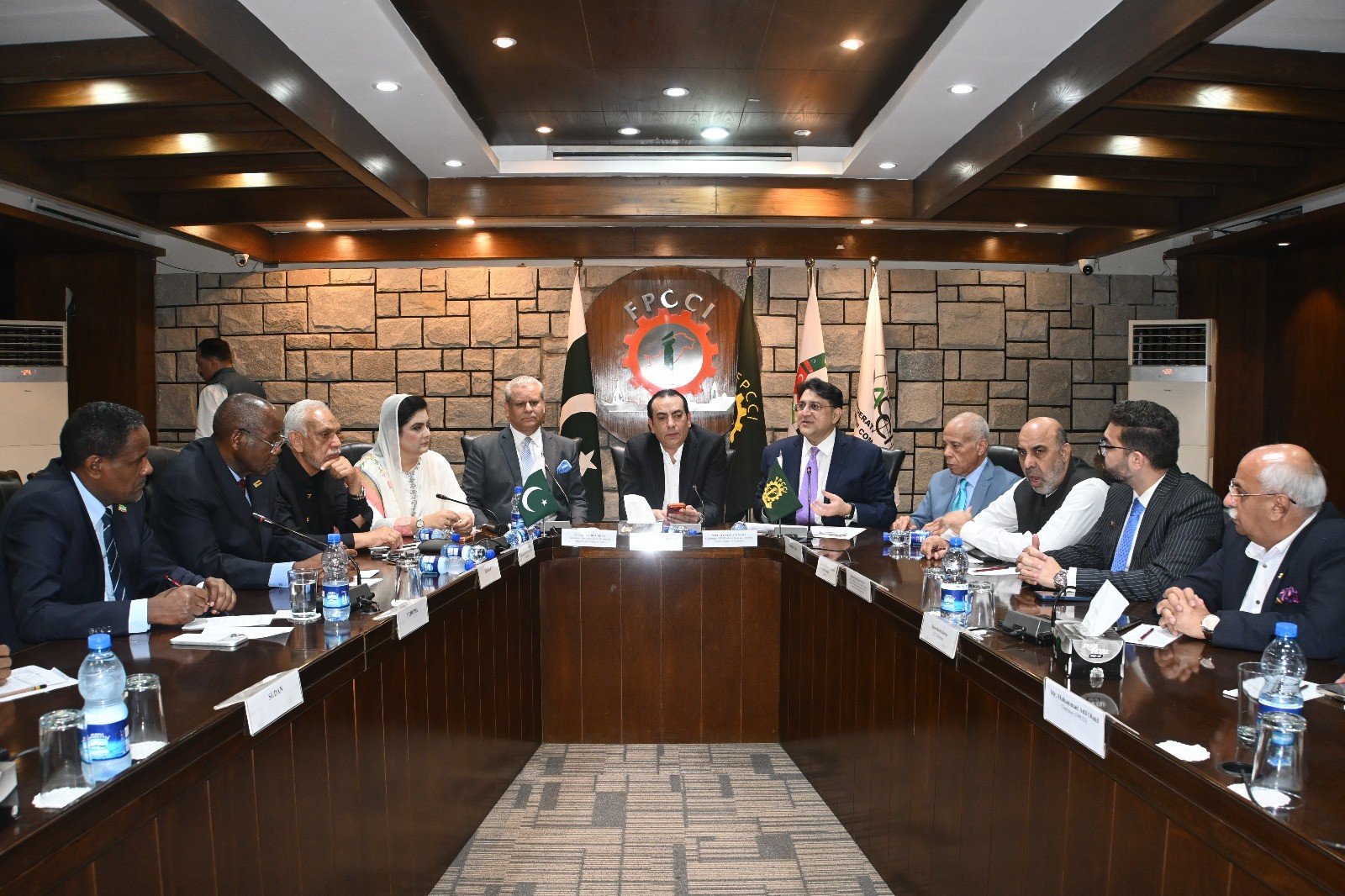
ISLAMABAD — Pakistan and African countries have inaugurated the Pakistan-Africa Economic Council (PAEC) with an ambitious goal to elevate bilateral trade to $15 billion by 2030. The ceremony, held on September 12, underscored a mutual commitment to diversify economic relations and strengthen ties between private sectors, including chambers of commerce from both regions.
What Happened
The launch of the Pakistan-Africa Economic Council marks a significant step towards enhancing trade relations between Pakistan and African nations. During the inaugural ceremony, representatives from both sides expressed a unified vision to boost economic interactions and explore new avenues for cooperation. The PAEC is designed to be a platform that facilitates dialogue and collaboration, aiming to unlock the potential of untapped markets and foster a conducive environment for business growth.
Officials at the event highlighted the importance of diversifying trade relations beyond traditional sectors. “We are committed to exploring new sectors and opportunities that can significantly contribute to our economies,” stated a senior official present at the ceremony. The council aims to bring together private sector stakeholders, including chambers of commerce, to create synergies and promote mutual growth.
In addition to trade, the PAEC is expected to serve as a catalyst for cultural and educational exchanges, thereby strengthening people-to-people connections. The council’s formation is seen as a strategic move to leverage the economic potential of both regions, which have historically been underrepresented in each other’s trade portfolios.
Background
Pakistan’s interest in strengthening ties with Africa is not new. Over the past few years, the country has been actively seeking to expand its trade footprint on the continent, recognizing Africa’s growing economic significance. The African Continental Free Trade Area (AfCFTA), launched in 2021, has created a single market for goods and services across 54 countries, making Africa an attractive destination for international trade.
Historically, Pakistan’s trade with African nations has been limited, focusing primarily on a few key sectors such as textiles and agricultural products. However, with the establishment of the PAEC, there is a renewed focus on broadening the scope of trade to include sectors like technology, pharmaceuticals, and infrastructure development.
Why It Matters
The establishment of the Pakistan-Africa Economic Council is a strategic initiative that could have far-reaching implications for both regions. Economically, the council’s goal to increase trade to $15 billion by 2030 represents a significant leap from current levels. This expansion could create jobs, stimulate economic growth, and reduce trade imbalances.
Politically, the move strengthens Pakistan’s diplomatic ties with African nations, potentially leading to greater cooperation in international forums. It also aligns with Pakistan’s broader foreign policy objectives of diversifying its economic partnerships and reducing reliance on traditional trade partners.
For African countries, increased trade with Pakistan offers access to a new market for their goods and services, which can drive economic diversification and resilience. The collaboration could also lead to technology transfer and capacity building, benefiting various sectors across the continent.
On a social level, the PAEC’s emphasis on cultural and educational exchanges could foster greater understanding and cooperation between the peoples of Pakistan and Africa, laying the groundwork for a more integrated global community.
Key Takeaways
- The Pakistan-Africa Economic Council aims to boost bilateral trade to $15 billion by 2030.
- The council will focus on diversifying trade relations and engaging private sectors from both regions.
- Historically limited trade between Pakistan and Africa is set to expand into new sectors.
- The PAEC could enhance diplomatic ties and economic cooperation between the regions.
- Cultural and educational exchanges are also part of the council’s broader objectives.
Source Attribution
This article is based on official government statements, press releases, and public communications from relevant authorities.