
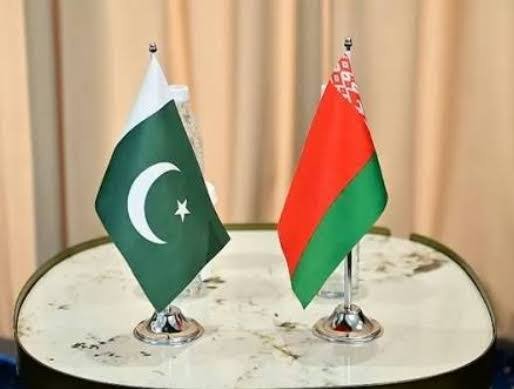
ISLAMABAD — Pakistan and Belarus have signed a protocol for the 9th Session of the Pakistan-Belarus Joint Ministerial Commission (JMC) on Trade and Economic Cooperation, along with a Memorandum of Understanding (MoU) on media cooperation. The agreements, finalized on Wednesday, aim to strengthen trade, investment, and media collaboration between the two countries.
What Happened
The signing ceremony took place in Islamabad, where representatives from both nations gathered to formalize the agreements. The protocol of the JMC session focuses on enhancing trade and economic ties, which have been a priority for both countries. The MoU on media cooperation is intended to foster better understanding and collaboration between the media sectors of Pakistan and Belarus.
The Joint Ministerial Commission serves as a platform for both countries to discuss and resolve issues related to trade, investment, and economic cooperation. This year’s session highlighted the importance of diversifying economic relations, with a particular focus on sectors such as agriculture, industry, and technology.
Belarusian officials emphasized the potential for increased collaboration in various fields, including education and science. The MoU on media cooperation aims to facilitate the exchange of information and best practices between media organizations in both countries, thereby promoting a more informed and balanced view of each other’s cultures and societies.
Background
Pakistan and Belarus have been working to strengthen their bilateral relations since the establishment of diplomatic ties in 1994. Over the years, both countries have signed numerous agreements to enhance cooperation in various sectors, including trade, education, and technology.
The Joint Ministerial Commission, established in 2015, has been instrumental in identifying areas of mutual interest and facilitating dialogue between the two nations. Previous sessions have resulted in agreements on enhancing trade volumes and exploring new areas for collaboration.
The media MoU is part of a broader strategy to improve cultural and informational exchanges, which have been relatively limited in the past. By fostering media cooperation, both countries aim to build a more robust understanding of each other’s societies and promote people-to-people connections.
Why It Matters
The agreements between Pakistan and Belarus are significant for several reasons. Economically, they represent a commitment to expanding trade and investment opportunities, which could lead to job creation and economic growth in both countries. By focusing on sectors such as agriculture and technology, the agreements aim to leverage each country’s strengths and address mutual needs.
Socially, the media MoU is expected to enhance cultural exchanges and promote a more nuanced understanding of each country’s societal dynamics. This can help dispel stereotypes and foster a more positive image of both nations on the international stage.
Politically, the strengthened ties between Pakistan and Belarus could lead to greater collaboration on regional and international issues. As both countries seek to diversify their international partnerships, these agreements could serve as a foundation for more comprehensive cooperation in the future.
For Pakistan, the agreements align with its broader strategy to enhance economic diplomacy and build stronger ties with countries beyond its immediate neighbors. By engaging with Belarus, Pakistan is exploring new markets and opportunities for collaboration, which could have long-term benefits for its economy and international standing.
Key Takeaways
- Pakistan and Belarus signed a protocol for the 9th Session of the Joint Ministerial Commission on Trade and Economic Cooperation.
- A Memorandum of Understanding on media cooperation was also signed to enhance cultural and informational exchanges.
- The agreements aim to strengthen bilateral trade, investment, and media collaboration.
- Both countries have been working to enhance their bilateral relations since 1994.
- The agreements align with Pakistan’s strategy to diversify its international partnerships and enhance economic diplomacy.
Source Attribution
This article is based on official government statements, press releases, and public communications from relevant authorities.














