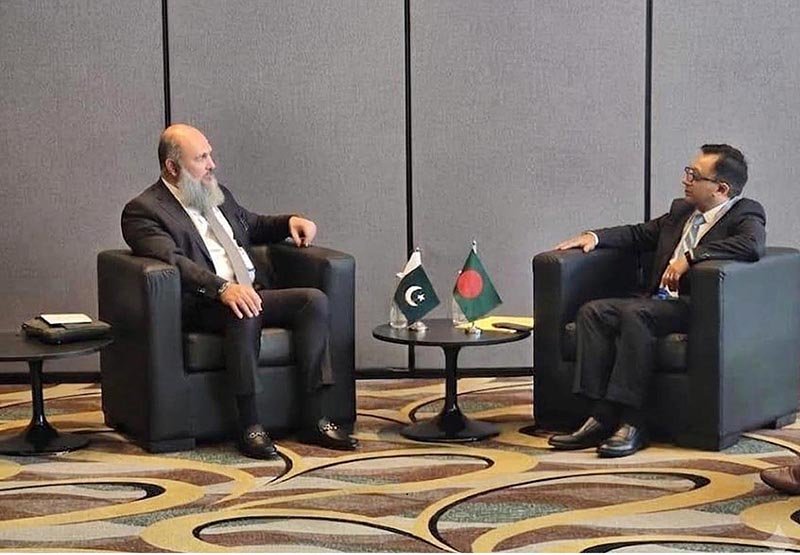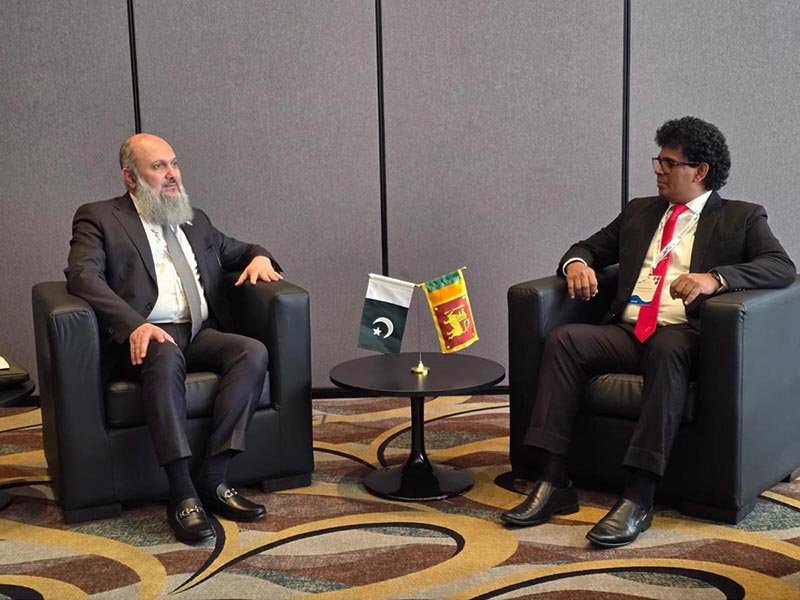
ISLAMABAD — Federal Minister for Commerce Jam Kamal Khan held a meeting with Sri Lanka’s Minister for Trade, Commerce, Food Security and Development, Wasantha Samarasinghe, to discuss enhancing bilateral trade, connectivity, food security, and technological cooperation. The meeting took place on Friday in Islamabad, aiming to strengthen economic ties between the two South Asian nations.
What Happened
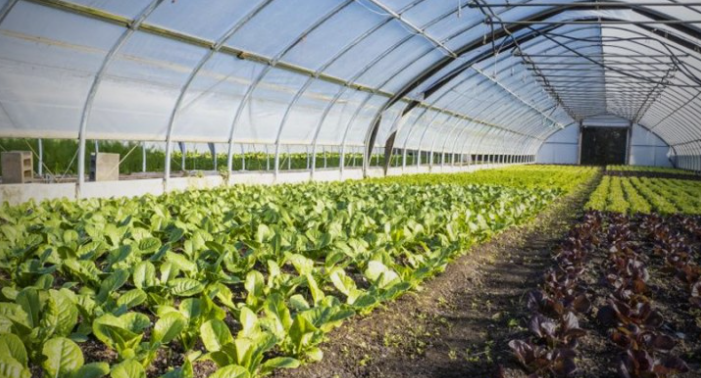
The discussions between Minister Jam Kamal Khan and Minister Wasantha Samarasinghe focused on exploring avenues for increasing trade volume and diversifying the range of goods exchanged between Pakistan and Sri Lanka. Both ministers expressed a mutual interest in leveraging technological advancements to boost agricultural productivity and ensure food security, which remains a critical concern for both countries.
Minister Khan highlighted Pakistan’s potential in exporting agricultural products and textiles, while Minister Samarasinghe emphasized Sri Lanka’s interest in importing these goods to meet domestic demand. “We see great potential in expanding our trade relations, especially in the sectors of agriculture and textiles,” said Minister Khan.
The meeting also addressed the importance of enhancing connectivity through improved transportation links and digital infrastructure. Minister Samarasinghe noted, “Strengthening our connectivity will not only facilitate trade but also foster greater cultural and technological exchanges.”
In addition to trade and connectivity, the ministers discussed collaborative efforts in technological innovation, particularly in the fields of information technology and renewable energy. Both sides agreed to explore joint ventures and partnerships that could benefit from shared expertise and resources.
Background
Pakistan and Sri Lanka have a history of diplomatic and trade relations dating back to the 1950s. The two countries have signed several agreements over the years, including a Free Trade Agreement (FTA) in 2005, which was designed to enhance bilateral trade by reducing tariffs on a wide range of goods.
Despite these agreements, trade between the two nations has remained below potential, with both countries seeking to address this through renewed dialogue and cooperation. The recent meeting between the commerce ministers is part of ongoing efforts to revitalize these economic ties and explore new areas of collaboration.
Why It Matters
The discussions between Pakistan and Sri Lanka are significant as they reflect a broader regional effort to enhance economic integration in South Asia. By focusing on trade, food security, and technological cooperation, both countries aim to address pressing economic challenges and improve the livelihoods of their populations.
For Pakistan, strengthening trade ties with Sri Lanka could lead to increased exports, particularly in the agricultural and textile sectors, which are vital components of its economy. Enhanced trade relations could also provide a boost to Pakistan’s efforts to diversify its export markets amid global economic uncertainties.
For Sri Lanka, the partnership offers an opportunity to secure essential imports and collaborate on technological innovations that could support its development goals. The focus on food security is particularly crucial as both nations face challenges related to climate change and resource management.
Furthermore, the emphasis on technological cooperation aligns with global trends towards digital transformation and sustainable development. By working together, Pakistan and Sri Lanka can harness technological advancements to drive economic growth and improve resilience against future challenges.
Key Takeaways
- Pakistan and Sri Lanka are exploring ways to enhance trade, focusing on agriculture and textiles.
- Both countries aim to improve connectivity through better transportation and digital infrastructure.
- The meeting highlighted the importance of technological cooperation in IT and renewable energy.
- Strengthening bilateral ties could help address food security concerns in both nations.
- The discussions are part of a broader effort to enhance regional economic integration in South Asia.
Source Attribution
This article is based on official government statements and public communications from the relevant authorities.