
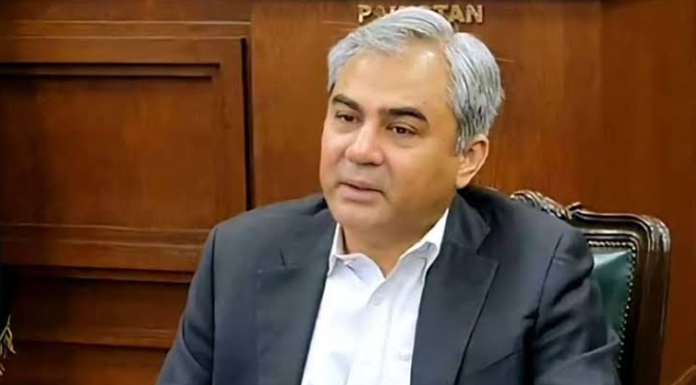
UNITED NATIONS — Pakistan’s Interior Minister Mohsin Naqvi called for enhanced international cooperation to tackle cross-border threats and terrorism during his address at the United Nations Chiefs of Police Summit (UNCOPS-2026) on Wednesday. Speaking at the iconic General Assembly Hall, Naqvi emphasized the need for member states to collaborate in addressing common security challenges that affect nations globally.
What Happened
During the UNCOPS-2026 summit, Interior Minister Mohsin Naqvi highlighted the pressing need for global cooperation to combat a range of transnational threats. He identified terrorism, organized crime, cybercrime, drug trafficking, human smuggling, and money laundering as significant challenges that no country can tackle alone. “These threats affect all of us; no country is safe from them, and no country can deal with them alone,” Naqvi stated, underscoring the importance of international collaboration.
Naqvi urged the international community to build stronger partnerships among law enforcement agencies, share information swiftly, and trust one another to address these challenges effectively. He stressed the rapid evolution of technology and its misuse by criminals, advocating for the use of modern technology to counteract criminal activities. “We must also use modern technology to prevent them,” he said.
The Interior Minister called for improving the skills of police officers, enhancing their training, and fostering innovation to better equip them in the fight against crime. He expressed hope that the summit would facilitate open, practical, and solution-oriented discussions among experienced leaders from around the world. “Let us share ideas that have worked, learn from each other’s successes, and find new ways to work together,” Naqvi urged.
Background
The United Nations Chiefs of Police Summit serves as a platform for police leaders worldwide to discuss strategies for enhancing international cooperation against transnational challenges. The summit aligns with the UN’s broader mandate to promote peace and security, providing a venue for member states to collaborate on global security issues.
Pakistan has consistently advocated for international cooperation in combating terrorism and organized crime, given its own experiences with these challenges. The country has been actively involved in various UN initiatives aimed at strengthening global security frameworks and has often highlighted the importance of collective action in addressing security threats.
Why It Matters
The call for enhanced international cooperation is significant as it reflects the growing recognition of transnational threats that transcend borders and require a collective response. For Pakistan, a country that has faced its share of security challenges, this cooperation is crucial for ensuring national and regional stability.
Economically, cross-border threats such as terrorism and organized crime can have detrimental effects on trade, investment, and tourism, impacting Pakistan’s economic growth. Socially, these threats pose risks to public safety and can lead to human rights violations, affecting the well-being of citizens.
Politically, Pakistan’s stance at the UN summit underscores its commitment to global peace and security, potentially enhancing its diplomatic relations and standing within the international community. By advocating for cooperation, Pakistan positions itself as a proactive member of the global community, seeking to contribute to international security solutions.
Key Takeaways
- Pakistan’s Interior Minister Mohsin Naqvi called for global cooperation against cross-border threats at the UN Chiefs of Police Summit.
- Naqvi identified terrorism, organized crime, cybercrime, drug trafficking, human smuggling, and money laundering as key challenges.
- He emphasized the need for stronger partnerships, information sharing, and the use of modern technology to combat crime.
- The summit provides a platform for international collaboration on security issues, aligning with the UN’s peace and security mandate.
- Pakistan’s call for cooperation reflects its commitment to global security and has implications for its economic, social, and political landscape.
Source Attribution
This article is based on official government statements, press releases, and public communications from relevant authorities.














