
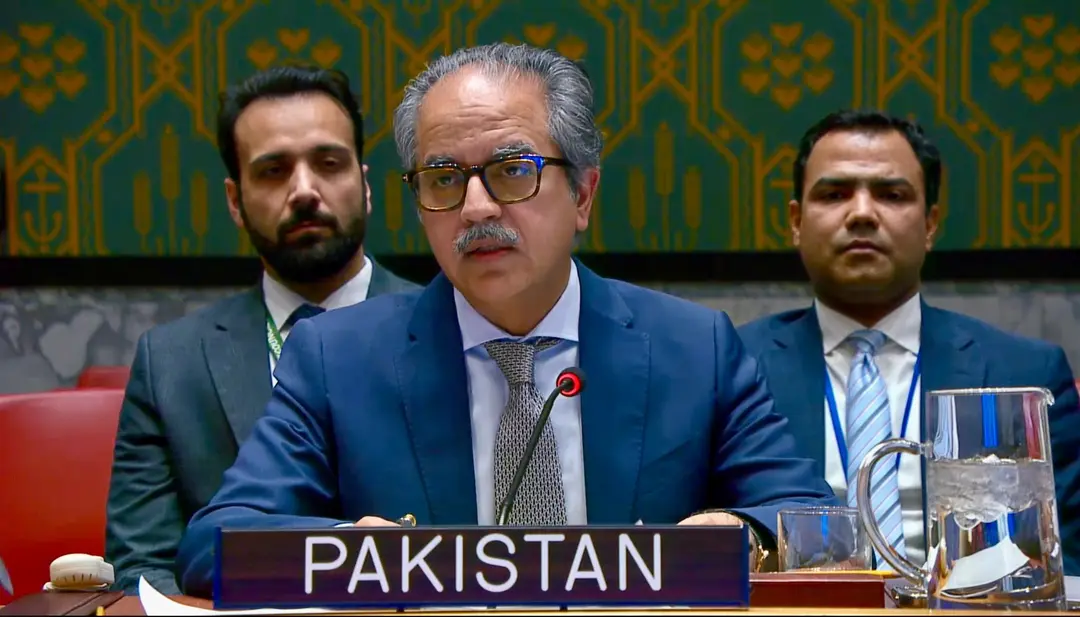
NEW YORK — Pakistan has called on the United Nations to take decisive action to protect local communities from the global rush for mineral resources. During a session of the UN Security Council, Pakistan emphasized the importance of sovereign control over natural resources, aligning itself with African nations facing similar challenges. The session focused on how the illicit exploitation of minerals fuels armed conflicts and the need for a regulatory framework to ensure that resource wealth benefits local communities.
What Happened
At a recent UN Security Council meeting, Pakistan’s representative highlighted the urgent need for international measures to protect local communities from the adverse effects of the global scramble for minerals. The discussion centered on the illicit exploitation of natural resources, which has been identified as a significant factor in fueling armed conflicts, particularly in resource-rich regions of Africa. Pakistan underscored the importance of sovereign control over natural wealth, advocating for a regulatory framework that ensures resource wealth is used to benefit local populations.
Pakistan’s stance was in solidarity with African nations, many of which have experienced the detrimental impacts of unregulated mineral extraction. The session explored potential strategies to curb the illicit trade and ensure that the economic benefits of mineral resources are equitably distributed. The call for action comes amid growing concerns over the exploitation of minerals, which often leads to environmental degradation and social unrest in affected regions.
During the session, Pakistan reiterated its commitment to supporting international efforts aimed at establishing a fair and transparent system for the governance of natural resources. The representative stressed that the exploitation of minerals should not come at the expense of local communities, who often bear the brunt of environmental and social consequences.
Background
The issue of mineral exploitation has long been a contentious topic at the international level. Many resource-rich countries, particularly in Africa, have struggled with the challenges posed by the illicit extraction and trade of minerals. This has often led to armed conflicts, as various groups vie for control over lucrative resources. The UN Security Council has been actively involved in addressing these issues, seeking to develop frameworks that promote sustainable and equitable resource management.
Historically, the lack of effective regulation has allowed for the exploitation of mineral resources to proceed unchecked, resulting in significant environmental and social impacts. Countries like the Democratic Republic of the Congo have been particularly affected, with mineral wealth fueling prolonged conflicts and undermining development efforts. The UN has recognized the need for a comprehensive approach that addresses both the economic and security dimensions of mineral exploitation.
Why It Matters
The call for UN action by Pakistan highlights the broader implications of mineral exploitation on global peace and security. The unregulated extraction of minerals not only exacerbates conflicts but also undermines efforts to achieve sustainable development goals. For Pakistan, a country with its own rich mineral resources, the issue is particularly pertinent as it seeks to balance economic development with environmental and social considerations.
The economic impact of mineral exploitation is significant, with the potential to generate substantial revenue for resource-rich countries. However, without proper regulation, these benefits often fail to reach local communities, leading to increased inequality and social unrest. By advocating for a regulatory framework, Pakistan is pushing for a system that ensures the equitable distribution of resource wealth, thereby promoting stability and development.
Internationally, the issue of mineral exploitation is closely linked to broader geopolitical dynamics. As global demand for minerals continues to rise, the competition for resources is likely to intensify, with significant implications for international relations. The UN’s role in facilitating dialogue and cooperation among member states is crucial in addressing these challenges and promoting a more equitable and sustainable approach to resource management.
Key Takeaways
- Pakistan has urged the UN to take action to protect local communities from the global scramble for minerals.
- The UN Security Council discussed the illicit exploitation of minerals and its role in fueling armed conflicts.
- Pakistan emphasized the importance of sovereign control over natural resources and supported African nations facing similar challenges.
- The call for a regulatory framework aims to ensure that resource wealth benefits local communities.
- The issue of mineral exploitation has significant economic, social, and geopolitical implications.
Source Attribution
This article is based on official government statements, press releases, and public communications from relevant authorities.














