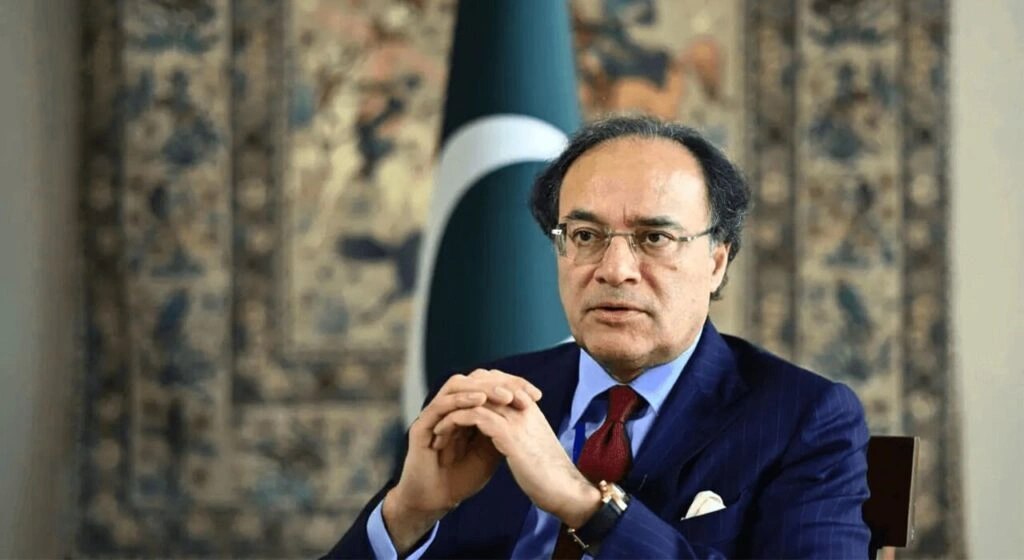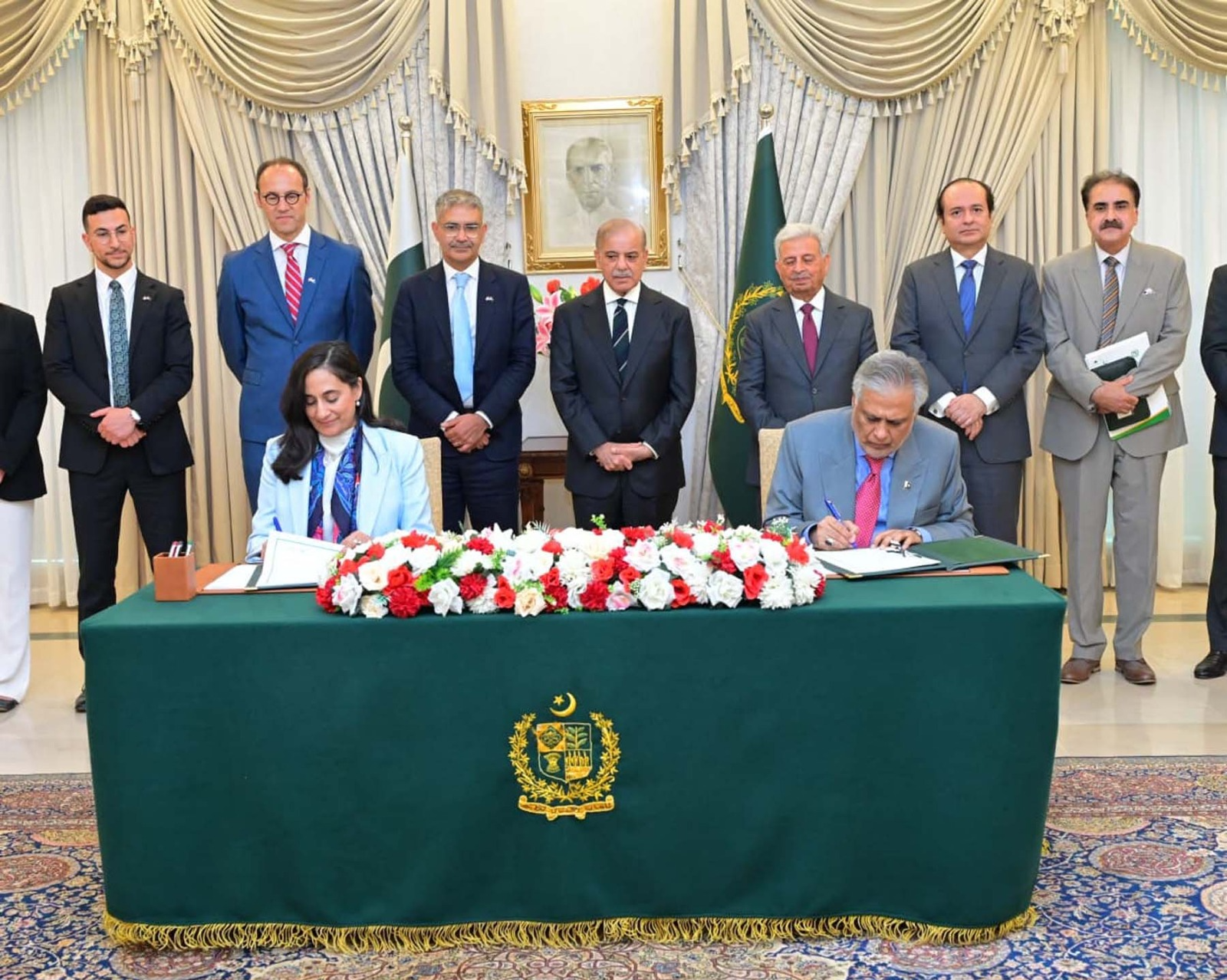
ISLAMABAD — Pakistan and Canada have reaffirmed their commitment to strengthening bilateral consultations and exploring new avenues for strategic collaboration. This was highlighted during a meeting between Pakistan’s Deputy Prime Minister and Minister of Foreign Affairs, Senator Mohammad Ishaq Dar, and Canada’s Minister for Foreign Affairs, Anita Anand, during her official visit to Pakistan on July 20, 2026.
What Happened
The meeting marked Foreign Minister Anita Anand’s first visit to Pakistan since assuming office. The two leaders engaged in a series of discussions aimed at enhancing Pakistan-Canada bilateral relations. A joint statement issued by both countries emphasized the successful holding of the 6th round of Bilateral Consultations in February 2026, which set the stage for renewed momentum in their diplomatic engagement.
During the talks, both sides expressed a shared resolve to boost trade and investment, as well as to foster people-to-people exchanges. The Deputy Prime Minister updated Minister Anand on Pakistan’s mediation efforts in the regional conflict, acknowledging the Islamabad Memorandum of Understanding as a significant step toward a sustainable ceasefire. Both ministers underscored the importance of upholding commitments under this agreement.
The discussions also highlighted the contributions of the Pakistani diaspora in Canada, which numbers over 300,000, and the presence of more than 9,000 Pakistani students in Canadian institutions. The ministers agreed on the importance of strengthening cultural exchanges, tourism, and mobility between the two nations. They also recognized the value of parliamentary exchanges and pledged to enhance cooperation between their respective legislatures.
Emphasizing trade and investment as key drivers for mutual prosperity, the ministers welcomed progress toward a Pakistan-Canada Foreign Investment Protection and Promotion Agreement (FIPA). They agreed to revive the Pakistan-Canada Joint Working Group on Trade and Investment to expedite negotiations and explore business opportunities in sectors such as clean energy, mining, infrastructure, and emerging technologies.
The ministers noted the strategic importance of energy security and diversification, agreeing to encourage investments in renewable energy sectors, including solar, wind, and battery storage technologies. They highlighted Canadian company JCM Power’s successful bid for the 240 MW Dhabeji Hybrid Wind-Solar Project in partnership with K-Electric, which has received necessary regulatory approvals.
Background
Pakistan and Canada have a long-standing relationship characterized by cooperation in various fields, including trade, education, and cultural exchanges. The two countries have held multiple rounds of bilateral consultations to address mutual interests and challenges. The Islamabad Memorandum of Understanding, referenced during the meeting, represents a significant diplomatic effort by Pakistan to mediate regional conflicts and promote peace.
The Pakistani diaspora in Canada plays a vital role in bridging cultural and economic ties between the two nations. Over the years, both countries have worked to enhance these connections through educational exchanges and trade agreements. The potential for increased collaboration in renewable energy and technology sectors aligns with global trends towards sustainability and innovation.
Why It Matters
The reaffirmation of strategic collaboration between Pakistan and Canada holds significant implications for both countries. Economically, the focus on trade and investment could lead to increased business opportunities and economic resilience. The potential conclusion of the FIPA and the revival of the Joint Working Group on Trade and Investment signal a commitment to facilitating smoother business operations and attracting foreign investments.
Socially, the emphasis on people-to-people exchanges and cultural ties enhances mutual understanding and cooperation. The acknowledgment of the Pakistani diaspora’s contributions underscores the importance of inclusive policies that benefit citizens of both nations.
Politically, Pakistan’s mediation efforts in regional conflicts and the resulting agreements, such as the Islamabad MoU, demonstrate its role as a proactive player in promoting peace and stability. Canada’s support for these initiatives reflects a shared commitment to addressing global challenges collaboratively.
Key Takeaways
- Pakistan and Canada reaffirmed their commitment to strategic collaboration during a high-level meeting.
- Both countries aim to boost trade, investment, and people-to-people exchanges.
- The Islamabad Memorandum of Understanding is a cornerstone of their diplomatic efforts for regional peace.
- Renewable energy and technology sectors are key areas for future collaboration.
- The Pakistani diaspora in Canada plays a crucial role in strengthening bilateral ties.
Source Attribution
This article is based on official government statements, press releases, and public communications from relevant authorities.