
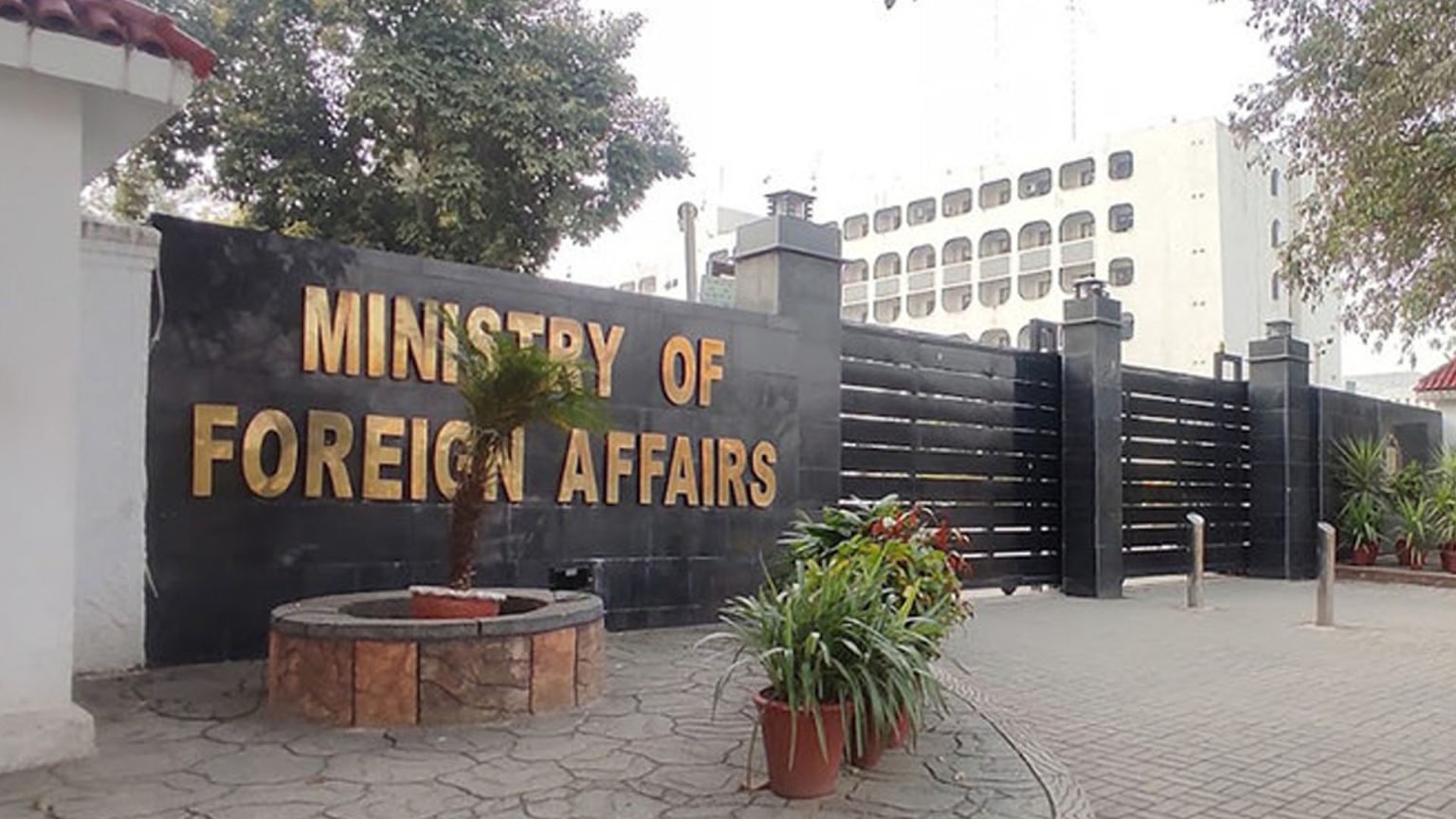
ISLAMABAD — Pakistan has strongly condemned recent remarks made by India’s Defense Minister regarding the Kashmir dispute, emphasizing its commitment to counter any aggression. The statement comes amidst ongoing tensions between the two nations over the contested region.
What Happened
In a recent statement, Pakistan’s Foreign Office spokesperson, Mumtaz Andrabi, criticized comments made by Indian Defense Minister Rajnath Singh concerning the Kashmir issue. Andrabi asserted that India should not underestimate Pakistan’s steadfast resolve and determination to thwart any potential Indian adventurism. Andrabi highlighted the unity and readiness of the Pakistani nation and its armed forces, referencing their actions during Operation Bunyan-um-Marsoos last year as a demonstration of their capabilities.
Operation Bunyan-um-Marsoos, a military exercise conducted by Pakistan, showcased the nation’s military preparedness and resolve in defending its territorial integrity. Andrabi’s comments underscore Pakistan’s position on the Kashmir dispute, which remains a core issue in Indo-Pakistani relations.
The spokesperson further reiterated Pakistan’s commitment to a peaceful resolution of the Kashmir issue in accordance with United Nations Security Council resolutions and the aspirations of the Kashmiri people. Andrabi called on the international community to take note of India’s actions and statements, which Pakistan perceives as provocative and detrimental to regional peace and stability.
Background
The Kashmir dispute has been a longstanding point of contention between India and Pakistan since the partition of British India in 1947. Both countries claim the region in full but control only parts of it. The conflict has led to several wars and ongoing military skirmishes along the Line of Control (LoC), the de facto border in the region.
In August 2019, India revoked the special autonomous status of Jammu and Kashmir, a move that escalated tensions with Pakistan. Islamabad condemned the decision, arguing it violated international law and the rights of the Kashmiri people. Since then, diplomatic relations have been strained, with both countries engaging in a war of words and military posturing.
The international community, including the United Nations, has called for dialogue and peaceful resolution of the Kashmir issue, but progress has been limited due to deep-seated mistrust and conflicting national interests.
Why It Matters
The Kashmir dispute remains a flashpoint in South Asia, with the potential to escalate into a broader conflict between two nuclear-armed neighbors. The recent remarks by India’s Defense Minister and Pakistan’s response highlight the fragile nature of peace in the region and the ongoing risk of military confrontation.
For Pakistan, the Kashmir issue is not only a matter of territorial integrity but also one of national identity and solidarity with the Kashmiri people. The government’s strong response to India’s statements reflects its commitment to defending its position on the international stage and rallying domestic support.
Economically, continued tensions over Kashmir can impact regional stability, affecting trade and investment opportunities in South Asia. The uncertainty surrounding the dispute can deter foreign investors and hinder economic development in both countries.
Internationally, the Kashmir issue draws attention to the broader geopolitical dynamics in South Asia, involving major powers such as China and the United States, each with strategic interests in the region. The dispute’s resolution is crucial for long-term peace and security in the area.
Key Takeaways
- Pakistan condemned remarks by India’s Defense Minister on the Kashmir dispute.
- Spokesperson Andrabi emphasized Pakistan’s resolve to counter any Indian adventurism.
- The Kashmir issue remains a core point of contention between India and Pakistan.
- Operation Bunyan-um-Marsoos demonstrated Pakistan’s military preparedness.
- International calls for peaceful resolution of the Kashmir dispute continue.
Source Attribution
This article is based on official government statements and public communications from relevant authorities.














