
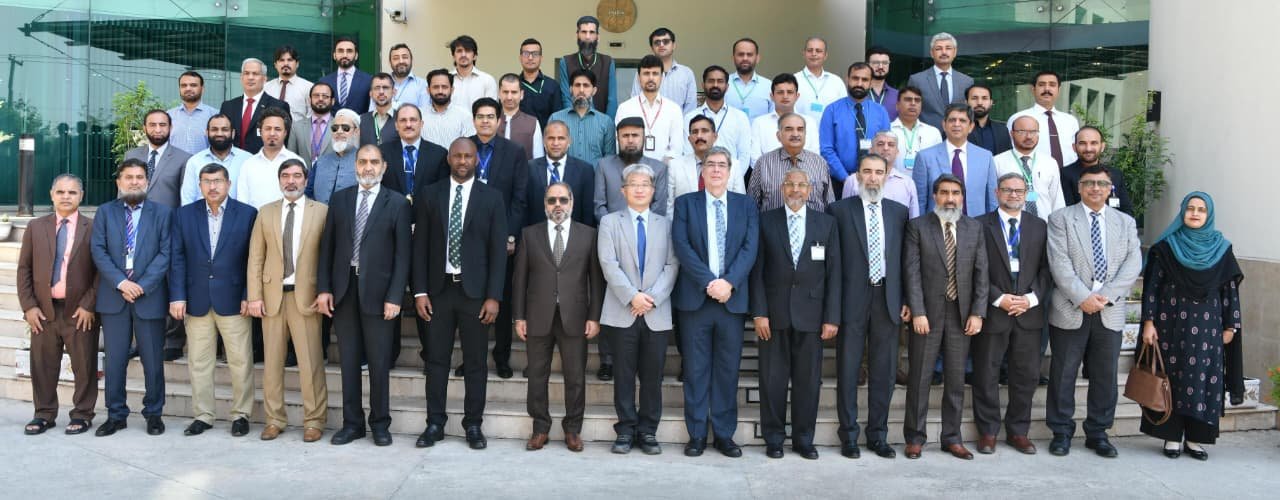
ISLAMABAD — The Pakistan Nuclear Regulatory Authority (PNRA), in collaboration with the International Atomic Energy Agency (IAEA), has successfully concluded a five-day National Training Course on computer security inspections for nuclear facilities. The training, held at the PNRA headquarters, aimed to enhance the cybersecurity framework of Pakistan’s nuclear infrastructure.
What Happened
The training course, which took place over five days, brought together experts and officials from various sectors to focus on strengthening the cybersecurity measures of nuclear facilities in Pakistan. The event was part of a broader initiative to ensure that nuclear sites are safeguarded against potential cyber threats. Participants were trained in the latest techniques and methodologies for conducting comprehensive computer security inspections, a crucial aspect of maintaining the integrity and safety of nuclear operations.
According to the PNRA, the course was designed to equip participants with the necessary skills to identify vulnerabilities in nuclear facility computer systems and to implement effective security measures. The training included practical sessions, workshops, and interactive discussions led by IAEA experts. A PNRA spokesperson stated, “This training is a vital step in our ongoing efforts to bolster the cybersecurity of our nuclear facilities, ensuring they are protected against any form of cyber intrusion.”
The collaboration with the IAEA underscores the international community’s commitment to nuclear security and the importance of global partnerships in addressing cybersecurity challenges. The IAEA has been instrumental in providing technical support and expertise to member states, including Pakistan, to enhance their nuclear security frameworks.
Background
Pakistan has been a member of the IAEA since 1957 and has consistently worked with the agency to ensure the safety and security of its nuclear programs. The PNRA, established in 2001, is responsible for regulating nuclear safety and security in Pakistan. Over the years, the country has made significant strides in developing a robust nuclear regulatory framework, with cybersecurity emerging as a critical component of its strategy.
Globally, the threat of cyberattacks on critical infrastructure, including nuclear facilities, has increased. Cybersecurity has become a top priority for nuclear regulatory bodies worldwide, as cyber threats can potentially lead to severe consequences, including the disruption of nuclear operations and the compromise of sensitive information.
Why It Matters
The successful completion of this training course is a significant step forward in strengthening Pakistan’s nuclear security. As cyber threats continue to evolve, the importance of having a well-trained workforce capable of defending against such threats cannot be overstated. The training not only enhances the technical capabilities of Pakistani officials but also aligns the country’s practices with international standards.
From an economic perspective, ensuring the cybersecurity of nuclear facilities is crucial for maintaining investor confidence and safeguarding national assets. Nuclear energy plays a vital role in Pakistan’s energy mix, and any disruption caused by cyber incidents could have far-reaching economic implications.
Politically, the collaboration with the IAEA reflects Pakistan’s commitment to international nuclear security norms and its proactive approach to addressing emerging security challenges. This partnership enhances Pakistan’s standing in the international community as a responsible nuclear state.
On a social level, the safety and security of nuclear facilities are paramount to public confidence. By investing in cybersecurity training and infrastructure, Pakistan is taking concrete steps to protect its citizens from potential nuclear threats, thereby reinforcing trust in its nuclear program.
Key Takeaways
- The PNRA and IAEA concluded a five-day training course on computer security inspections for nuclear facilities.
- The training aimed to enhance cybersecurity measures and protect against potential cyber threats.
- Participants were equipped with skills to identify and mitigate vulnerabilities in nuclear facility computer systems.
- This initiative aligns Pakistan’s nuclear security practices with international standards.
- The collaboration underscores Pakistan’s commitment to global nuclear security norms.
Source Attribution
This article is based on official government statements, press releases, and public communications from relevant authorities.














