
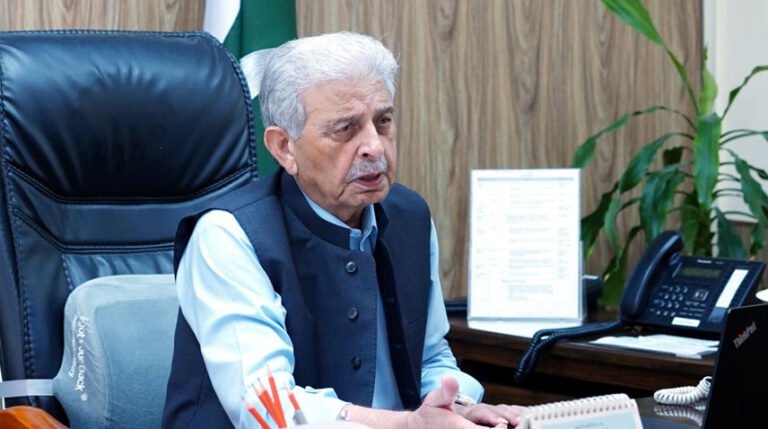
ISLAMABAD — Pakistan has launched an intensified national initiative to tackle malnutrition and micronutrient deficiencies, as announced by Federal Minister for National Food Security and Research Rana Tanveer Hussain on Thursday. The government aims to enhance nutrition outcomes through coordinated efforts between federal and provincial authorities.
What Happened
In a recent statement, Federal Minister Rana Tanveer Hussain highlighted the critical need for a unified approach to combat malnutrition and nutrient deficiencies across Pakistan. He stressed that improving the nutritional status of the population requires a concerted effort involving both federal and provincial governments. The minister’s remarks underscore the government’s commitment to addressing these pressing health issues that affect millions of Pakistanis.
The initiative aims to implement comprehensive strategies to improve dietary intake and address the root causes of malnutrition. This includes increasing access to nutritious food, enhancing public awareness about healthy eating habits, and ensuring the availability of essential vitamins and minerals. The government plans to collaborate with international organizations, non-governmental organizations, and the private sector to amplify the impact of these efforts.
Minister Hussain stated, “It is imperative that we work together to ensure that every citizen has access to the nutrients they need for a healthy life. This requires strong coordination and commitment from all levels of government.” The initiative will also focus on vulnerable populations, including children and women, who are disproportionately affected by malnutrition.
Background
Malnutrition has been a persistent issue in Pakistan, with significant implications for public health and economic development. According to the Global Nutrition Report, Pakistan ranks among the countries with the highest rates of malnutrition, affecting nearly 40% of children under five years of age. The prevalence of stunting, wasting, and micronutrient deficiencies such as iron and vitamin A is alarmingly high.
Previous efforts to address malnutrition in Pakistan have included various government programs and international aid initiatives. However, challenges such as inadequate funding, lack of infrastructure, and insufficient coordination among stakeholders have hindered progress. The current initiative seeks to overcome these barriers by fostering greater collaboration and resource allocation.
Why It Matters
The intensified focus on combating malnutrition and nutrient deficiencies is crucial for Pakistan’s future. Malnutrition not only affects individual health but also has broader social and economic implications. Children who suffer from malnutrition are at risk of impaired cognitive development, reduced educational attainment, and lower productivity in adulthood. This, in turn, affects the country’s human capital and economic growth potential.
By addressing malnutrition, Pakistan can improve health outcomes, reduce healthcare costs, and enhance the quality of life for its citizens. Moreover, tackling nutrient deficiencies can prevent a range of health issues, including anemia, weakened immune systems, and increased susceptibility to infections. The initiative also aligns with Pakistan’s commitment to achieving the United Nations Sustainable Development Goals, particularly Goal 2, which aims to end hunger and improve nutrition by 2030.
Internationally, Pakistan’s efforts to combat malnutrition can serve as a model for other developing countries facing similar challenges. By demonstrating effective strategies and fostering partnerships, Pakistan can contribute to global efforts to eradicate malnutrition and promote health and well-being.
Key Takeaways
- Pakistan has launched a national initiative to combat malnutrition and nutrient deficiencies, emphasizing coordination between federal and provincial governments.
- The initiative aims to improve dietary intake, increase access to nutritious food, and focus on vulnerable populations such as children and women.
- Malnutrition affects nearly 40% of children under five in Pakistan, with significant implications for public health and economic development.
- Addressing malnutrition can improve health outcomes, reduce healthcare costs, and enhance the country’s human capital.
- The initiative aligns with Pakistan’s commitment to the United Nations Sustainable Development Goals, particularly Goal 2.
Source Attribution
This article is based on official government statements, press releases, and public communications from relevant authorities.














