
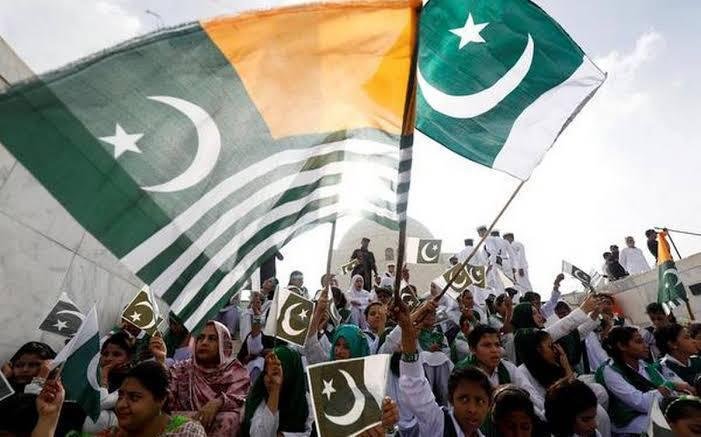
ISLAMABAD — The 78th Kashmir Accession Day was observed across Pakistan on Sunday, marking the adoption of a historic resolution by the All Jammu and Kashmir Muslim Conference on July 19, 1947. This resolution called for the accession of the princely state of Jammu and Kashmir to Pakistan, a decision that continues to hold significant political and historical importance for the region.
What Happened
Across Pakistan, various events were organized to commemorate Kashmir Accession Day, reflecting on the resolution passed by the All Jammu and Kashmir Muslim Conference in 1947. This resolution was a pivotal moment in the history of the region, as it laid the groundwork for the political aspirations of the people of Jammu and Kashmir to join Pakistan. The day was marked by seminars, rallies, and discussions highlighting the ongoing struggle and aspirations of the Kashmiri people.
In Islamabad, government officials and civil society members gathered to express solidarity with the people of Jammu and Kashmir. Participants reiterated their support for the Kashmiri cause and emphasized the need for a peaceful resolution to the longstanding conflict. “The people of Pakistan stand with their Kashmiri brethren in their struggle for self-determination,” stated a government spokesperson during a seminar held in the capital.
Similar events were held in major cities across the country, including Lahore, Karachi, and Peshawar. In these gatherings, speakers emphasized the historical significance of the 1947 resolution and its relevance to current geopolitical dynamics. They also called upon the international community to take notice of the situation in Kashmir and support efforts for a peaceful resolution.
Background
The Kashmir Accession Day commemorates the resolution passed by the All Jammu and Kashmir Muslim Conference on July 19, 1947, which advocated for the accession of Jammu and Kashmir to Pakistan. This resolution came at a time when the Indian subcontinent was on the brink of partition, and princely states were given the option to join either India or Pakistan.
The decision was influenced by the demographic composition of the region, which had a Muslim majority, and the political aspirations of its leaders. However, the accession of Jammu and Kashmir has remained a contentious issue, leading to several conflicts between India and Pakistan, including wars in 1947, 1965, and 1999.
Why It Matters
The observance of Kashmir Accession Day underscores the enduring significance of the 1947 resolution in Pakistan’s national narrative and its foreign policy concerning Kashmir. The issue remains a central point of contention between India and Pakistan, impacting bilateral relations and regional stability.
For Pakistan, the day serves as a reminder of its commitment to the Kashmiri cause and its support for the right to self-determination for the people of Jammu and Kashmir. The observance also aims to keep the international community engaged with the Kashmir issue, which Pakistan views as a matter of human rights and international law.
Economically, the Kashmir conflict has implications for regional trade and development. The ongoing tensions have hindered economic cooperation between South Asian nations, affecting trade routes and investment opportunities. A resolution to the conflict could potentially unlock significant economic benefits for the region.
Socially, the observance of Kashmir Accession Day fosters a sense of unity and solidarity among Pakistanis, reinforcing national identity and collective memory. It also serves as a platform for advocacy and awareness-raising about the challenges faced by the people of Jammu and Kashmir.
Key Takeaways
- The 78th Kashmir Accession Day was observed across Pakistan, commemorating the 1947 resolution for Jammu and Kashmir’s accession to Pakistan.
- Events were held nationwide, emphasizing solidarity with the Kashmiri people and calling for a peaceful resolution to the conflict.
- The day highlights the historical and ongoing significance of the Kashmir issue in Pakistan’s national narrative and foreign policy.
- The conflict has economic implications for regional trade and development, with potential benefits from a peaceful resolution.
- Socially, the observance fosters unity and raises awareness about the challenges faced by the people of Jammu and Kashmir.
Source Attribution
This article is based on official government statements, press releases, and public communications from relevant authorities.














