
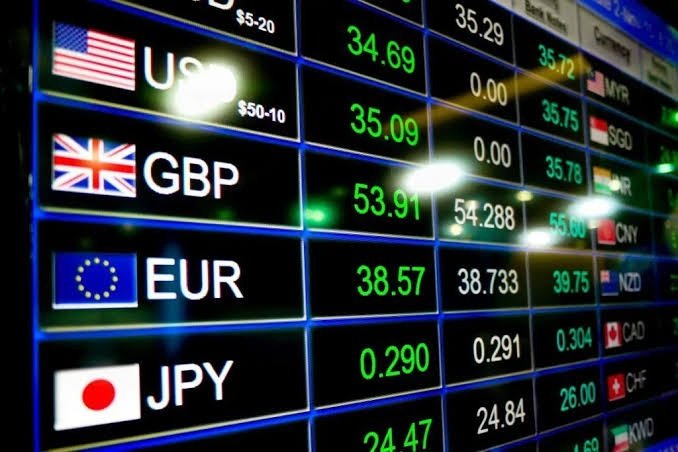
ISLAMABAD — The Financial Markets Association of Pakistan (FMAP) released the forward foreign exchange rates applicable for July 20, 2023. This announcement, made on Monday, provides critical data for traders and financial analysts engaging in currency transactions across the nation.
What Happened
The Exchange Rates Committee of the FMAP issued the latest bulletin detailing the forward foreign exchange rates for July 20. The rates serve as a benchmark for financial institutions, businesses, and investors to gauge the expected future value of the Pakistani Rupee against major global currencies. These rates are instrumental in hedging against currency risks and planning future financial engagements.
The bulletin includes detailed rates for various tenors, such as one month, three months, and six months, allowing market participants to make informed decisions based on their specific financial strategies. The forward rates are determined by considering several factors, including current spot rates, interest rate differentials, and market expectations of future currency movements.
According to the FMAP, these rates are crucial for managing foreign exchange exposure, especially in a volatile economic environment where currency fluctuations can significantly impact business operations and profitability. The association emphasized the importance of these rates in facilitating transparent and efficient currency trading practices.
Background
The Financial Markets Association of Pakistan is a prominent body that plays a pivotal role in the country’s financial sector. It regularly issues forward foreign exchange rates to provide guidance and stability in the foreign exchange market. These rates are part of a broader framework aimed at enhancing the transparency and efficiency of Pakistan’s financial markets.
Historically, forward exchange rates have been used by businesses and financial institutions to hedge against potential losses due to adverse currency movements. By locking in a future exchange rate, companies can protect themselves from unexpected fluctuations that could affect their international transactions.
In recent years, Pakistan’s economy has faced numerous challenges, including inflationary pressures, fluctuating foreign exchange reserves, and a volatile currency. These factors have heightened the significance of forward exchange rates as a tool for risk management and financial planning.
Why It Matters
The release of forward foreign exchange rates is a critical component of financial planning for businesses operating in Pakistan. With the country’s economy facing persistent challenges, including inflation and currency volatility, these rates provide a measure of predictability and stability for financial transactions.
For importers and exporters, forward rates offer a way to manage the risks associated with currency fluctuations. By locking in an exchange rate for future transactions, businesses can safeguard their profit margins and ensure the continuity of their operations, even in uncertain economic conditions.
On a broader scale, the availability of forward foreign exchange rates contributes to the overall stability of Pakistan’s financial system. By facilitating informed decision-making and reducing the uncertainty associated with currency trading, these rates help maintain investor confidence and support economic growth.
Moreover, the forward rates play a crucial role in the country’s monetary policy framework. By providing insights into market expectations of future currency movements, these rates assist policymakers in assessing the effectiveness of their monetary interventions and adjusting their strategies accordingly.
Key Takeaways
- The FMAP has released forward foreign exchange rates for July 20, 2023.
- These rates are essential for hedging against currency risks and financial planning.
- Forward rates are determined by current spot rates, interest rate differentials, and market expectations.
- They provide stability and predictability in an otherwise volatile economic environment.
- Forward rates support monetary policy by offering insights into future currency movements.
Source Attribution
This article is based on official government statements, press releases, and public communications from relevant authorities.














