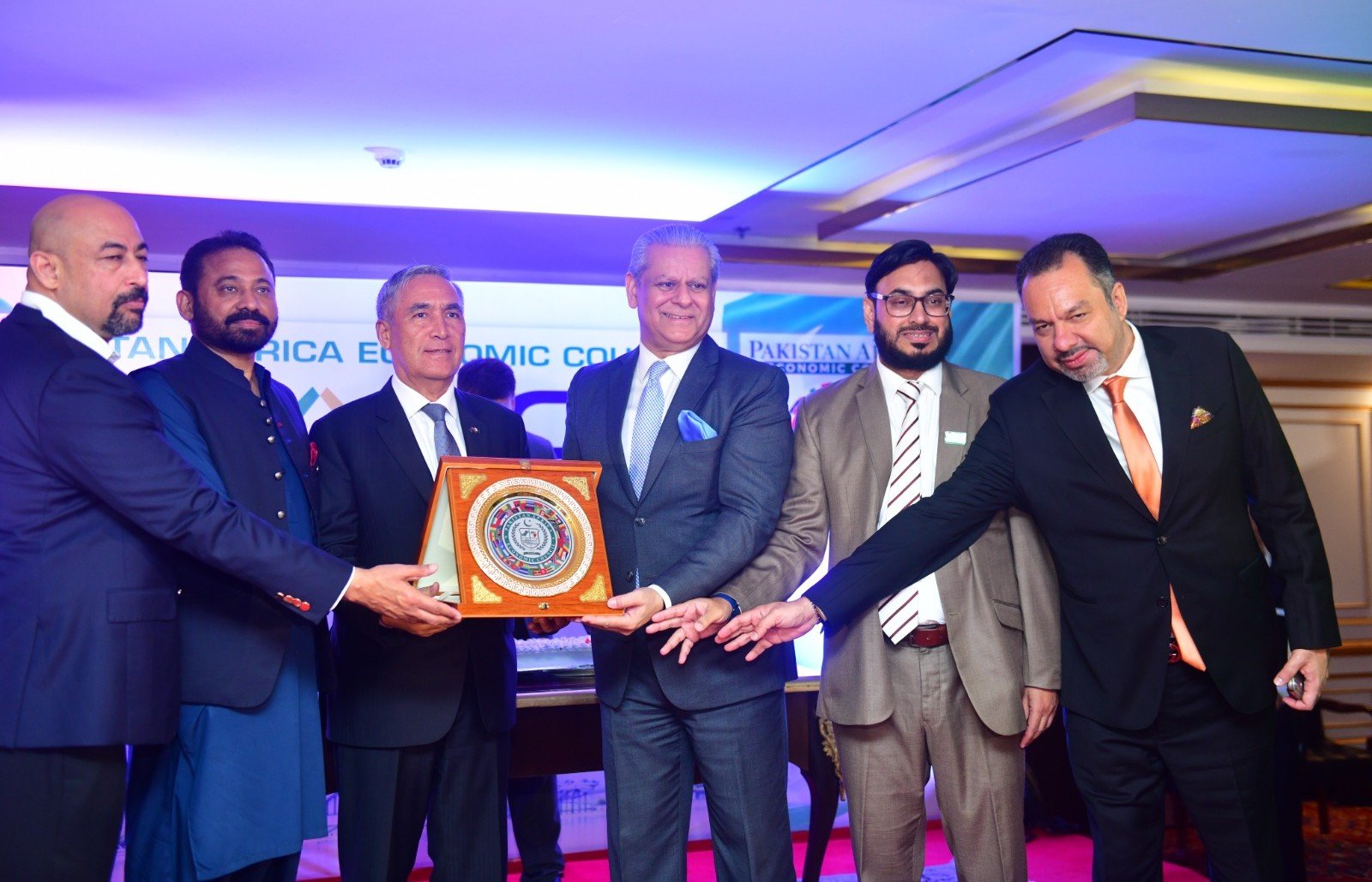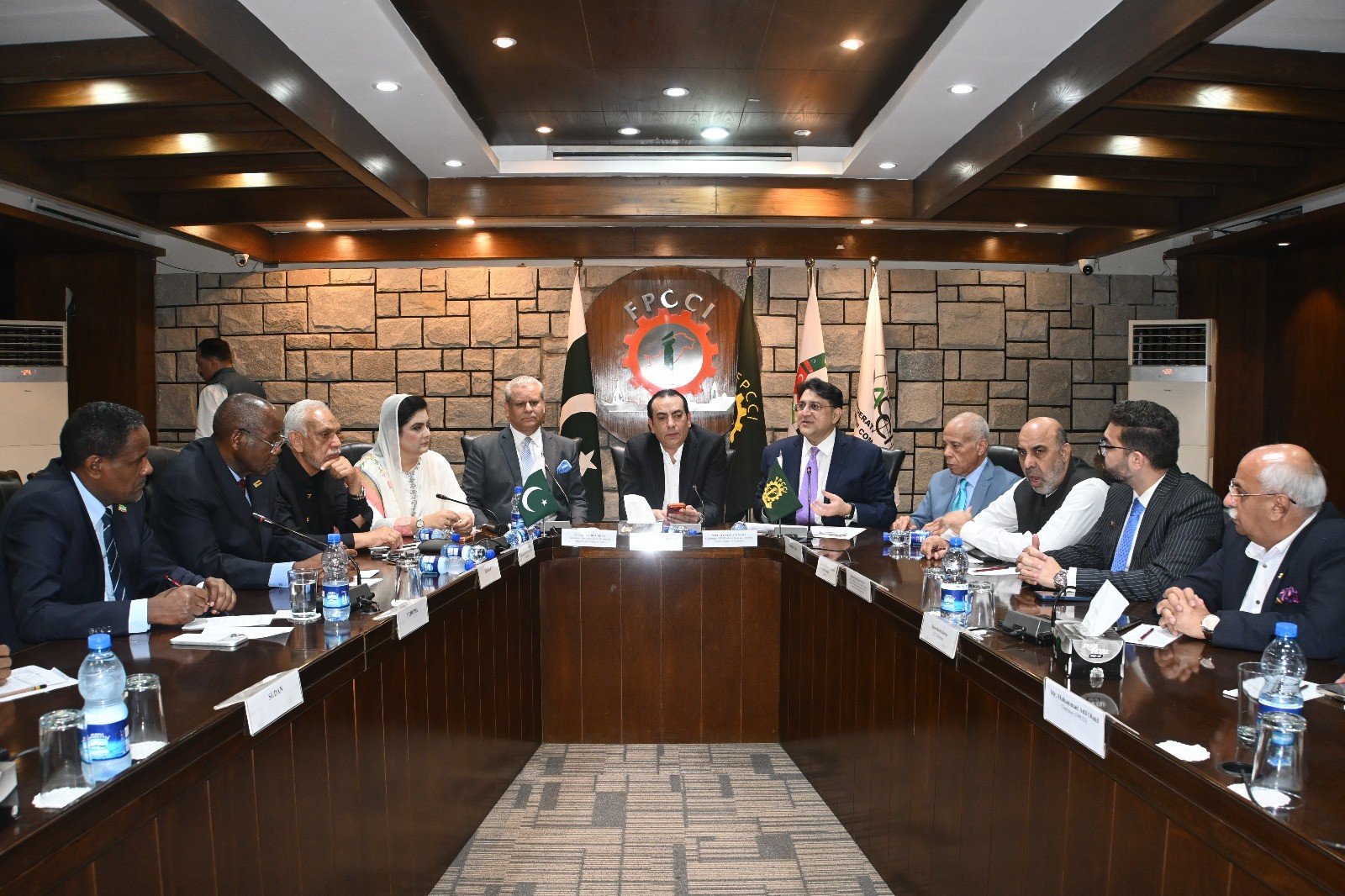
ISLAMABAD — Pakistan is taking steps to bolster its economic relationships with African countries, as highlighted during the first Pak-Africa Roundtable Conference held in Islamabad on September 12. The event was organized by the Federation of Pakistan Chambers of Commerce and Industry (FPCCI) and chaired by FPCCI President Atif Ikram Sheikh. The conference aimed to explore avenues for enhancing trade, investment, and economic cooperation between Pakistan and African nations.
What Happened
The Pak-Africa Roundtable Conference brought together a diverse group of stakeholders, including ambassadors, high commissioners, and consuls general from various African countries. The discussions focused on identifying potential sectors for collaboration and addressing barriers to trade and investment. FPCCI President Atif Ikram Sheikh emphasized the importance of diversifying Pakistan’s trade partners and tapping into the African market, which he described as having significant untapped potential.
Hamid Asghar Khan, Pakistan’s Additional Secretary for Africa, highlighted the government’s commitment to strengthening economic ties with Africa. He stated, “Pakistan is keen to expand its economic partnership with African nations, recognizing the immense opportunities that exist for mutual growth and development.” The conference served as a platform for participants to share insights and strategies for overcoming challenges in bilateral trade.
Representatives from African countries expressed their interest in collaborating with Pakistan in sectors such as agriculture, textiles, pharmaceuticals, and technology. They also discussed the potential for joint ventures and investments that could benefit both regions. The conference concluded with a consensus on the need for continued dialogue and cooperation to achieve tangible outcomes.
Background
Pakistan’s interest in expanding its economic ties with Africa is part of a broader strategy to diversify its trade relationships beyond traditional partners. Historically, Pakistan’s trade has been concentrated with countries in Asia, Europe, and North America. However, the African continent, with its rapidly growing economies and young population, presents new opportunities for trade and investment.
In recent years, Pakistan has taken steps to engage more actively with African nations. This includes participating in trade exhibitions, sending trade delegations, and signing bilateral agreements aimed at facilitating trade and investment. The government has also been working to improve diplomatic relations with African countries to support these economic initiatives.
Why It Matters
Strengthening economic ties with Africa holds significant implications for Pakistan’s economy. By expanding its trade partnerships, Pakistan can reduce its reliance on traditional markets and create new opportunities for its exporters. The African market, with its demand for goods and services, offers a promising avenue for Pakistani businesses looking to expand their reach.
Economically, this initiative could lead to increased exports, job creation, and economic growth in Pakistan. It also aligns with the government’s broader economic diversification strategy, which aims to make the economy more resilient to external shocks. Socially, enhanced trade relations could lead to cultural exchanges and stronger people-to-people connections between Pakistan and African nations.
Politically, engaging with Africa can help Pakistan strengthen its diplomatic ties and increase its influence on the international stage. By building partnerships with African countries, Pakistan can also garner support in international forums and enhance its global standing.
Key Takeaways
- Pakistan hosted the first Pak-Africa Roundtable Conference to explore economic partnerships with African nations.
- The conference focused on trade, investment, and economic cooperation, with participation from African diplomats.
- Pakistan aims to diversify its trade partners and tap into the African market’s potential.
- Strengthening ties with Africa could lead to economic growth, job creation, and enhanced diplomatic relations.
- The initiative aligns with Pakistan’s broader strategy to diversify its economy and reduce reliance on traditional markets.
Source Attribution
This article is based on official government statements, press releases, and public communications from relevant authorities.