
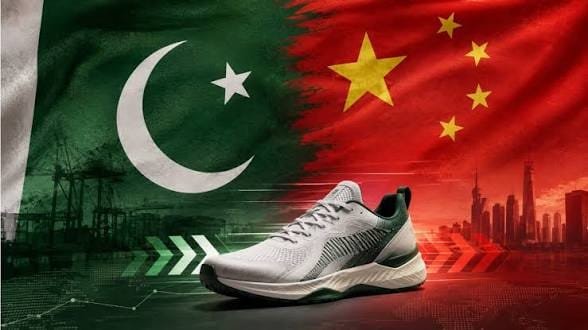
ISLAMABAD — Pakistan is set to launch 16 new sports shoe production lines as part of a cooperation project with China, aiming to significantly boost its footwear manufacturing capacity. The agreement, finalized this week, is expected to enhance Pakistan’s role in the global footwear market by facilitating cross-border trade and developing overseas production bases.
What Happened
The China-Pakistan footwear cooperation project, signed this week, outlines the establishment of 16 sports shoe production lines across Pakistan. This initiative is projected to produce tens of millions of pairs of shoes annually, marking a substantial increase in the country’s manufacturing capabilities. The collaboration is part of a broader strategy to strengthen economic ties between the two nations, leveraging China’s expertise in manufacturing and Pakistan’s growing industrial base.
The project is anticipated to not only increase production capacity but also create numerous job opportunities within Pakistan. By focusing on sports footwear, the initiative targets a lucrative segment of the global market, which has been experiencing steady growth due to rising consumer demand for athletic and leisure footwear.
Officials involved in the project have expressed optimism about its potential impact. “This cooperation will significantly enhance our manufacturing capabilities and open new avenues for trade,” a senior official stated. The project is expected to be a key component of Pakistan’s industrial growth strategy, aligning with the country’s goals of increasing exports and fostering economic development.
Background
The China-Pakistan Economic Corridor (CPEC) has been a cornerstone of bilateral cooperation between the two countries, encompassing various infrastructure and development projects. This latest footwear initiative is part of the broader CPEC framework, which aims to enhance connectivity and economic collaboration.
Historically, Pakistan’s footwear industry has been relatively small compared to other manufacturing sectors. However, recent years have seen increased investment and interest in expanding this industry, driven by both domestic demand and export opportunities. The partnership with China represents a strategic move to capitalize on these trends and position Pakistan as a competitive player in the global footwear market.
Why It Matters
The establishment of these production lines is significant for several reasons. Economically, it represents a substantial investment in Pakistan’s manufacturing sector, which is crucial for job creation and economic growth. The project is expected to generate thousands of jobs, providing much-needed employment opportunities in a country with a rapidly growing workforce.
Socially, the initiative could lead to skill development and technological transfer, as local workers gain experience in advanced manufacturing techniques. This development is likely to have a positive ripple effect, enhancing the overall skill level of the workforce and contributing to broader industrial development.
Politically, the project underscores the strengthening ties between Pakistan and China. As part of the CPEC framework, this cooperation highlights the strategic partnership between the two countries, which has implications for regional stability and economic integration. The success of such projects could pave the way for further collaborations in other sectors, reinforcing Pakistan’s position as a key partner in China’s Belt and Road Initiative.
Key Takeaways
- Pakistan and China have signed an agreement to establish 16 sports shoe production lines in Pakistan.
- The project aims to produce tens of millions of pairs of shoes annually, boosting Pakistan’s manufacturing capacity.
- This initiative is part of the broader China-Pakistan Economic Corridor (CPEC) framework.
- The project is expected to create numerous job opportunities and enhance skill development in Pakistan.
- Strengthening economic ties with China, the project highlights the strategic partnership between the two nations.
Source Attribution
This article is based on official government statements, press releases, and public communications from relevant authorities.














