
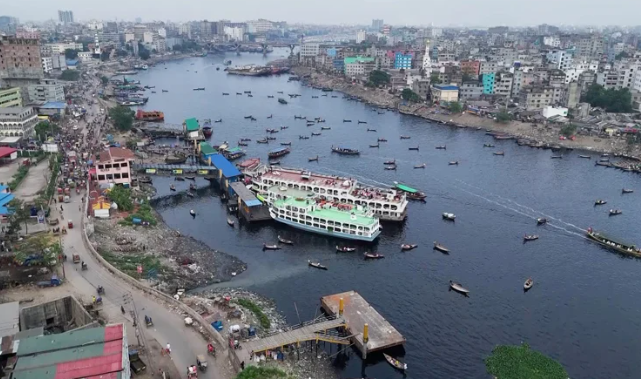
ISLAMABAD — In an effort to address the escalating pollution levels in the Buriganga River, the Pakistani government has announced plans to introduce an online monitoring system for Effluent Treatment Plant (ETP) systems. This initiative aims to ensure that industries discharging liquid waste adhere to environmental standards and maintain operational treatment plants consistently.
What Happened
The government has decided to bring the ETP systems of various industries under an online monitoring framework. This move is part of a broader strategy to tackle the pollution plaguing the Buriganga River, a vital waterway suffering from significant environmental degradation due to industrial waste. The initiative will involve the use of digital technologies to oversee the functioning of ETP systems, ensuring they are operational and effective in treating industrial effluents before discharge.
According to official sources, this strategy also includes regular enforcement activities aimed at maintaining compliance with environmental regulations. The government’s decision underscores the urgency of addressing the pollution issue, which has been a longstanding concern for environmentalists and local communities alike. The implementation of online monitoring is expected to enhance transparency and accountability among industries, compelling them to adhere to environmental standards.
A government spokesperson stated, “The introduction of online monitoring for ETP systems is a crucial step towards making the Buriganga River pollution-free. This initiative will help us ensure that industries are complying with environmental regulations and that their effluent treatment processes are functioning effectively.”
Background
The Buriganga River, once a lifeline for the surrounding communities, has been severely affected by pollution over the years. Industrial waste, primarily from tanneries and textile factories, has been a major contributor to the river’s deteriorating condition. Effluent Treatment Plants are designed to treat industrial waste before it is discharged into water bodies, but lack of enforcement and monitoring have often resulted in non-compliance, exacerbating pollution levels.
Historically, efforts to clean the Buriganga River have faced numerous challenges, including inadequate infrastructure, lack of funding, and insufficient regulatory oversight. Previous initiatives to address these issues have had limited success, highlighting the need for more robust and technologically advanced solutions.
Why It Matters
The introduction of an online monitoring system for ETPs is significant for several reasons. Environmentally, it represents a proactive approach to mitigating pollution in one of Pakistan’s critical water resources. By ensuring that industrial effluents are properly treated, the initiative aims to restore the ecological balance of the Buriganga River, benefiting both the environment and the communities that depend on it.
Economically, cleaner water bodies can lead to improved public health outcomes, reducing healthcare costs associated with waterborne diseases. Moreover, maintaining a pollution-free river can enhance the quality of life for local populations, potentially boosting tourism and related economic activities in the region.
Politically, this move demonstrates the government’s commitment to environmental protection and sustainable development. It aligns with Pakistan’s broader environmental goals and international commitments to combat pollution and climate change.
Internationally, the initiative could serve as a model for other countries facing similar challenges, showcasing the potential of technology-driven solutions in environmental management.
Key Takeaways
- The Pakistani government plans to implement an online monitoring system for ETPs to combat Buriganga River pollution.
- This initiative aims to ensure industries comply with environmental standards and maintain operational treatment plants.
- The Buriganga River has suffered from severe pollution due to industrial waste, necessitating urgent intervention.
- The project is expected to have positive environmental, economic, and political impacts.
- The initiative could serve as a model for other nations dealing with similar environmental challenges.
Source Attribution
This article is based on official government statements, press releases, and public communications from relevant authorities.














