
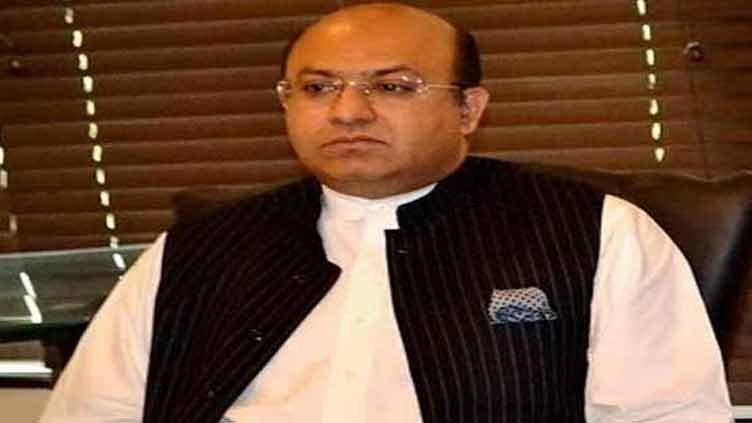
LAHORE — Punjab Finance Minister Mian Mujtaba Shuja-ur-Rehman emphasized on Wednesday the need for Pakistan to transition from exporting general manpower to a skilled workforce. This shift, he argued, is crucial for integrating Pakistan’s young human capital into the global economy more effectively.
What Happened
During a press briefing in Lahore, Finance Minister Mian Mujtaba Shuja-ur-Rehman highlighted the necessity for Pakistan to adapt its economic strategy concerning workforce exports. He pointed out that the current focus on exporting unskilled labor limits the country’s potential to benefit from the global economy’s demand for skilled professionals.
“We must move beyond the traditional export of manpower and focus on developing a skilled workforce that meets international standards,” Shuja-ur-Rehman stated. He underscored that this transition is essential not only for boosting economic growth but also for enhancing the employment prospects of Pakistani youth.
The minister’s remarks come as Pakistan faces economic challenges that necessitate reforms in various sectors, including labor and employment. By investing in skill development, the country can tap into higher-value job markets abroad, which in turn could lead to increased remittances and economic stability.
Shuja-ur-Rehman also mentioned ongoing government initiatives aimed at improving vocational training and education to prepare the workforce for international opportunities. These programs are designed to align with global standards, ensuring that Pakistani workers are competitive in the international job market.
Background
Historically, Pakistan has relied heavily on the export of unskilled labor, primarily to the Middle East, where Pakistani workers have contributed significantly to the economies of host countries. Remittances from these workers have been a vital source of foreign exchange for Pakistan, supporting the national economy.
However, the global labor market is evolving, with an increasing demand for skilled workers in sectors such as technology, healthcare, and engineering. Countries like India and the Philippines have successfully capitalized on this trend by exporting skilled professionals, resulting in substantial economic benefits.
In recent years, the Pakistani government has recognized the need to enhance its workforce’s skills to remain competitive. Initiatives such as the Technical and Vocational Education and Training (TVET) program have been launched to address this gap, focusing on equipping workers with the necessary skills for high-demand industries.
Why It Matters
The shift towards exporting a skilled workforce holds significant implications for Pakistan’s economic and social landscape. Economically, this transition could lead to increased foreign remittances, which are crucial for maintaining the country’s balance of payments. Skilled workers tend to earn higher wages, which translates into greater remittances and economic contributions.
Socially, promoting skill development can address unemployment and underemployment among Pakistan’s youth. By providing them with the skills needed for high-demand jobs, the government can enhance their employment prospects and reduce poverty levels.
Politically, aligning workforce export strategies with global trends can strengthen Pakistan’s international relations. Countries that benefit from skilled Pakistani workers may be more inclined to engage in favorable trade and diplomatic relations with Pakistan.
Furthermore, this strategic shift supports Pakistan’s broader developmental goals, including achieving sustainable economic growth and improving the quality of life for its citizens. By investing in human capital, Pakistan can position itself as a competitive player in the global economy.
Key Takeaways
- Punjab Finance Minister stresses the need for Pakistan to export a skilled workforce.
- Transitioning to skilled labor exports can enhance economic growth and employment opportunities.
- Government initiatives are underway to improve vocational training and education.
- Skilled workforce export aligns with global economic trends and can boost remittances.
- This strategy supports Pakistan’s broader developmental and economic goals.
Source Attribution
This article is based on official government statements and public communications from relevant authorities.














