
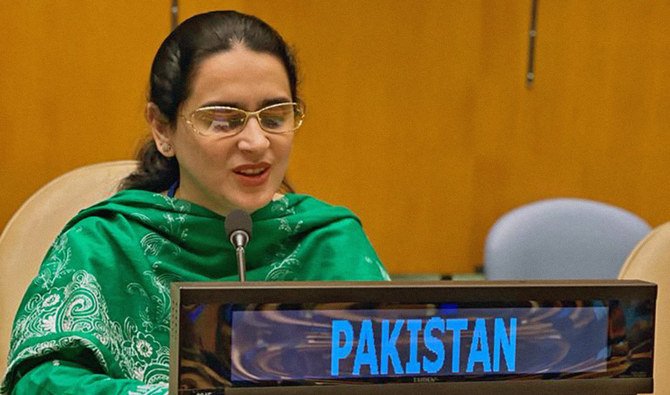
NEW YORK — Pakistan has firmly dismissed accusations made by India at the United Nations Security Council (UNSC), urging instead for a UN-led resolution to the longstanding Kashmir dispute. The call was made during a recent session, where Pakistan’s representative emphasized the need for diplomatic engagement as outlined in Security Council Resolution 2788.
What Happened
During a session at the UNSC, a Pakistani diplomat rejected what were described as India’s “false” allegations regarding Pakistan’s actions in the region. The diplomat called on India to adhere to its international obligations and engage in meaningful dialogue to resolve the Kashmir issue. The representative highlighted the importance of implementing Security Council Resolution 2788, which advocates for the use of the UN Charter’s diplomatic tools to address conflicts.
Pakistan’s stance at the UNSC underscores its commitment to seeking a peaceful resolution to the Kashmir conflict, which has been a point of contention between India and Pakistan for decades. The diplomat reiterated Pakistan’s position that the involvement of the international community, particularly the UN, is crucial for achieving lasting peace in South Asia.
“We urge India to fulfill its international commitments and engage in dialogue under the auspices of the United Nations,” the Pakistani representative stated. The call for a UN-led settlement reflects Pakistan’s ongoing efforts to internationalize the Kashmir issue and seek a resolution through diplomatic means.
Background
The Kashmir conflict dates back to the partition of British India in 1947, which led to the creation of India and Pakistan. Both countries claim the region in full but control only parts of it. The conflict has resulted in several wars and ongoing tensions between the two nuclear-armed neighbors.
Security Council Resolution 2788, referenced by the Pakistani diplomat, is part of a series of resolutions aimed at promoting peace and security in conflict regions. The resolution calls for the use of diplomatic tools and dialogue to resolve disputes, aligning with Pakistan’s advocacy for a peaceful settlement of the Kashmir issue.
Historically, the UN has been involved in the Kashmir dispute, with several resolutions passed since the conflict began. However, a lasting resolution has remained elusive, with both India and Pakistan maintaining firm stances on their territorial claims.
Why It Matters
The Kashmir conflict remains one of the most significant sources of tension in South Asia, with implications for regional stability and international security. The involvement of the UN in mediating a resolution could potentially ease tensions and foster peace between India and Pakistan.
For Pakistan, a UN-led resolution would not only address its concerns over human rights violations in the region but also bolster its position on the international stage. The call for UN involvement aligns with Pakistan’s broader foreign policy objectives of seeking international support for its stance on Kashmir.
Economically, the resolution of the Kashmir conflict could lead to increased stability in the region, paving the way for economic cooperation and development. This could benefit both countries and the broader South Asian region, which has significant economic potential.
Politically, resolving the Kashmir issue could lead to improved bilateral relations between India and Pakistan, potentially opening avenues for collaboration on other regional issues, such as trade and security. The international community, particularly countries with strategic interests in South Asia, would also benefit from reduced tensions in the region.
Key Takeaways
- Pakistan has rejected India’s accusations at the UNSC and called for a UN-led resolution on Kashmir.
- The Pakistani diplomat emphasized the need for implementing Security Council Resolution 2788.
- The Kashmir conflict remains a major source of tension between India and Pakistan, with historical roots dating back to 1947.
- A UN-mediated resolution could enhance regional stability and foster economic development in South Asia.
- Resolving the Kashmir issue could improve bilateral relations and open avenues for cooperation between India and Pakistan.
Source Attribution
This article is based on official government statements, press releases, and public communications from relevant authorities.














