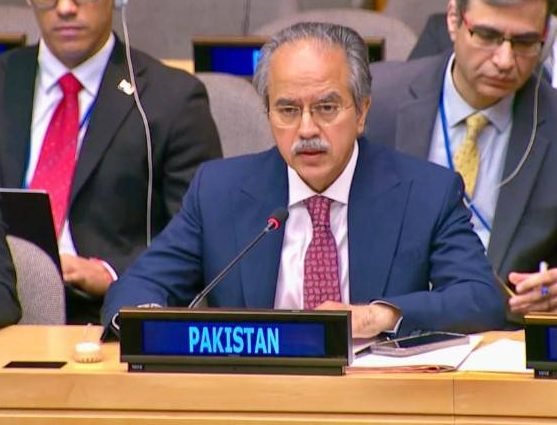
UNITED NATIONS — Pakistan has called on the United Nations Security Council to ensure that natural resources are used as instruments of shared prosperity rather than tools for coercion. This appeal was made during a high-level debate on ‘Natural Resource Governance: The Foundation of Peace, Security, and Prosperity,’ held on July 23, 2023.
What Happened
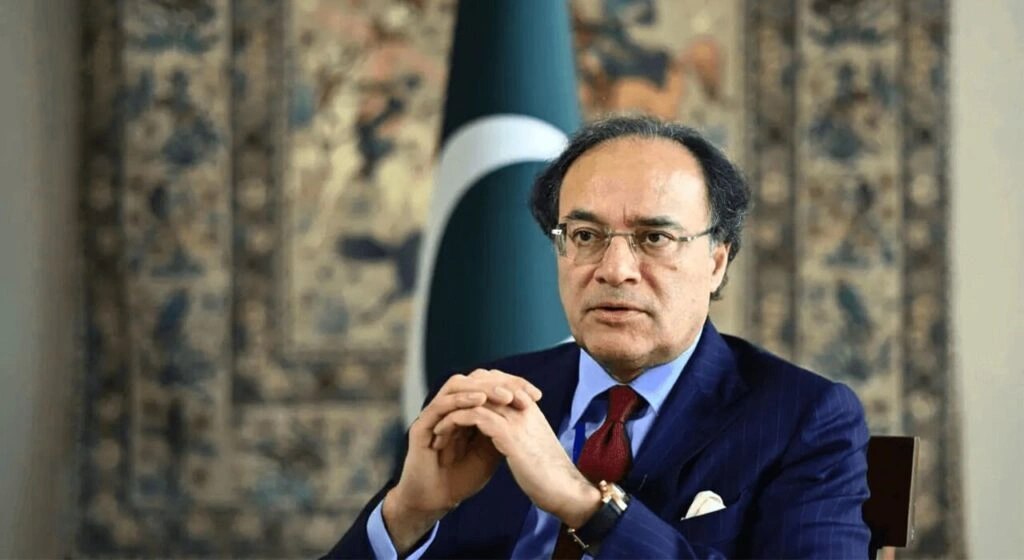
During the debate, which was presided over by the Democratic Republic of Congo (DRC) as the Council’s president for July, Ambassador Asim Iftikhar Ahmad, Pakistan’s permanent representative to the UN, emphasized the importance of equitable and rules-based global governance of natural resources. He warned against the weaponization of these vital resources and highlighted the potential for resource wealth to contribute to peace and affluence when managed with strong institutions, transparency, and national ownership.
Ambassador Ahmad pointed to the example of the DRC, a nation rich in minerals, to illustrate his point. He noted that for decades, the illicit exploitation and trafficking of natural resources have financed armed groups, depriving the Congolese people of the benefits of their country’s immense wealth. He advocated for strengthened traceability mechanisms, responsible supply chains, and regional cooperation to disrupt conflict financing.
The Pakistani envoy underscored the need for natural resource governance to be anchored in the UN Charter and international law. He referred to General Assembly resolution 1803, which enshrines the right of peoples to permanent sovereignty over their natural wealth and resources, as fundamental.
He further stated that international cooperation should enhance national capacities while respecting national ownership and policy space. The Security Council, he argued, has a crucial role in addressing threats where the exploitation or weaponization of natural resources could threaten international peace and security.
UN Secretary-General Antonio Guterres also addressed the Council, urging an end to the ‘plundering’ of resources and calling for transparency in the global supply chain.
Background
The debate on natural resource governance comes amid growing global concerns about the misuse of natural resources, particularly in conflict zones. Historically, countries rich in natural resources have often experienced conflict and instability, as various groups vie for control over these valuable assets. The DRC, for instance, has been plagued by conflict fueled by the illegal exploitation of its mineral wealth.
General Assembly resolution 1803, adopted in 1962, affirms the right of nations to permanent sovereignty over their natural resources. This resolution is a cornerstone of international law concerning resource governance, emphasizing the need for resources to be used for national development and the welfare of the people.
Why It Matters
The call by Pakistan at the UN Security Council highlights a significant issue that affects not only resource-rich countries but also the global community. The misuse of natural resources can lead to prolonged conflicts, economic instability, and human rights abuses. For Pakistan, a country that has historically supported the sovereign rights of nations over their resources, this stance aligns with its broader foreign policy objectives of promoting peace and stability.
Economically, the proper governance of natural resources can lead to sustainable development and poverty alleviation. When managed effectively, resource wealth can provide the financial means to improve infrastructure, education, and healthcare, thereby enhancing the quality of life for citizens.
Politically, the equitable distribution and management of resources can strengthen national institutions and promote transparency, reducing the potential for corruption and conflict. Internationally, cooperation and adherence to international law can prevent disputes over shared resources and foster peaceful relations between nations.
Key Takeaways
- Pakistan urged the UN Security Council to ensure natural resources are used for shared prosperity, not coercion.
- Ambassador Asim Iftikhar Ahmad highlighted the importance of equitable governance and strong institutions.
- The DRC’s experience was cited as an example of how resource wealth can be misused in conflict zones.
- General Assembly resolution 1803 supports the right to sovereignty over natural resources.
- Proper resource management can lead to sustainable development and international peace.
Source Attribution
This article is based on official government statements, press releases, and public communications from relevant authorities.