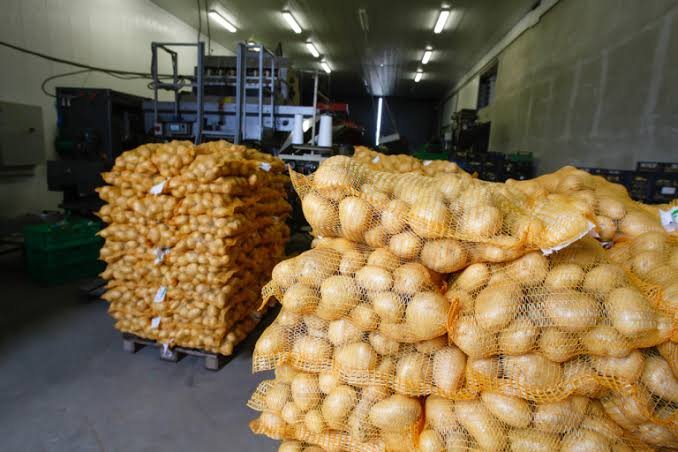
ISLAMABAD — Pakistani potatoes have secured export access to 36 international markets, as confirmed by the Ministry of National Food Security and Research. This development is part of ongoing efforts to enhance the country’s agricultural export portfolio and diversify its economic base.
What Happened
The Ministry of National Food Security and Research, through its Department of Plant Protection (DPP), has successfully facilitated the entry of Pakistani potatoes into 36 global markets. The export process involves meeting various requirements, ranging from routine phytosanitary certification to obtaining specific import permits and adhering to additional country-specific conditions. This strategic move aims to bolster Pakistan’s agricultural exports and improve the trade balance by tapping into new markets.
According to official documents, the DPP has meticulously compiled a comprehensive Market Access and Sanitary and Phytosanitary (SPS) compliance framework to ensure that Pakistani potatoes meet the stringent standards set by importing countries. This framework is designed to address the diverse regulatory requirements of each market, ensuring that the potatoes are free from pests and diseases, thereby safeguarding the agricultural interests of the importing nations.
A spokesperson from the Ministry emphasized the significance of this achievement, stating, “This access to 36 markets is a testament to the quality and competitiveness of Pakistani agricultural products on the global stage. We are committed to expanding our reach and enhancing the reputation of Pakistani produce worldwide.”
Background
The journey to gaining market access for Pakistani potatoes has been a concerted effort involving various stakeholders, including government bodies, agricultural experts, and trade representatives. Historically, Pakistan’s agricultural exports have been dominated by a few key products, such as rice and cotton. However, recent years have seen a strategic shift towards diversifying the export base to include a wider range of agricultural products.
The Department of Plant Protection has played a pivotal role in this process by ensuring compliance with international standards and negotiating market access agreements. This initiative is part of a broader government strategy to enhance the competitiveness of Pakistan’s agricultural sector and increase its contribution to the national economy.
Why It Matters
The expansion of export markets for Pakistani potatoes holds significant economic implications. Agriculture is a cornerstone of Pakistan’s economy, contributing approximately 24% to the GDP and employing nearly half of the labor force. By opening new markets, the government aims to increase foreign exchange earnings, reduce trade deficits, and stimulate rural development.
Moreover, access to diverse international markets reduces the risk associated with dependency on a limited number of export destinations. This diversification is crucial for ensuring the resilience of Pakistan’s agricultural sector against global market fluctuations and trade barriers.
On a social level, increased agricultural exports can lead to job creation and improved livelihoods for farmers and rural communities. By providing farmers with access to international markets, the government is enabling them to fetch better prices for their produce, thereby enhancing their income and standard of living.
Internationally, the acceptance of Pakistani potatoes in multiple markets enhances the country’s reputation as a reliable supplier of quality agricultural products. This can pave the way for further trade agreements and collaborations, strengthening Pakistan’s position in the global agricultural trade network.
Key Takeaways
- Pakistani potatoes now have export access to 36 international markets.
- The Department of Plant Protection has ensured compliance with international standards.
- This development is part of a broader strategy to diversify Pakistan’s agricultural exports.
- Increased exports are expected to boost foreign exchange earnings and rural development.
- Access to new markets enhances Pakistan’s reputation as a quality agricultural supplier.
Source Attribution
This article is based on official government statements, press releases, and public communications from relevant authorities.