
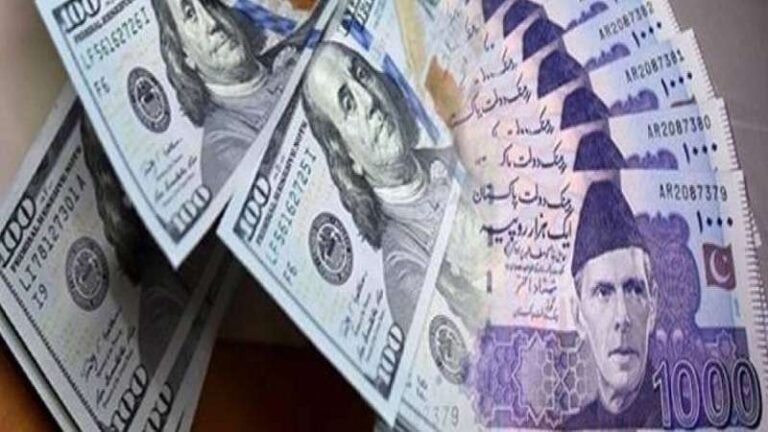
ISLAMABAD — The Pakistani Rupee gained 3 paisa against the US Dollar on Thursday, closing at Rs 277.17 in interbank trading, compared to the previous day’s closing rate of Rs 277.20. This slight appreciation was reported by the Forex Association of Pakistan (FAP), which also noted the buying and selling rates of the dollar in the open market.
What Happened
On Thursday, the Pakistani Rupee experienced a minor appreciation against the US Dollar in the interbank market, closing at Rs 277.17. This marks a 3 paisa gain compared to the previous day’s closing rate of Rs 277.20. The Forex Association of Pakistan (FAP) provided these figures, indicating a stable yet slightly improving position for the Rupee amidst ongoing economic challenges.
The interbank market is a critical component of Pakistan’s foreign exchange landscape, where banks trade currencies among themselves. The Rupee’s performance in this market often reflects broader economic trends and investor sentiment. The FAP also reported the buying and selling rates of the US Dollar in the open market, which can vary from interbank rates due to different factors such as demand and supply dynamics.
This marginal gain comes amid a backdrop of economic pressures, including inflationary trends and external debt obligations that continue to challenge Pakistan’s economic stability. The Rupee’s exchange rate is a crucial indicator of economic health, influencing everything from import costs to inflation rates.
Background
The Pakistani Rupee has faced significant volatility over recent years, influenced by both domestic and international factors. Historically, the Rupee’s value has been affected by Pakistan’s trade deficit, foreign exchange reserves, and economic policies. In recent months, the Rupee has experienced fluctuations due to global economic conditions, including changes in oil prices and the US Federal Reserve’s monetary policy.
Pakistan’s government and the State Bank of Pakistan have implemented various measures to stabilize the currency, including adjusting interest rates and engaging in foreign exchange interventions. Despite these efforts, the Rupee has often been under pressure due to high import bills and external debt repayments.
Why It Matters
The slight appreciation of the Rupee against the US Dollar is a positive sign for Pakistan’s economy, albeit a small one. A stronger Rupee can help reduce the cost of imports, which is particularly beneficial for a country like Pakistan that relies heavily on imported goods, including essential commodities such as oil and machinery.
For the average Pakistani citizen, a stable or appreciating Rupee can lead to lower inflation rates, as the cost of imported goods and services decreases. This can improve purchasing power and economic well-being, especially for those in lower-income brackets who are most affected by price increases.
On a broader scale, the Rupee’s performance is closely watched by international investors and financial institutions. A stable currency can enhance investor confidence, potentially leading to increased foreign direct investment and economic growth. It also affects Pakistan’s ability to service its external debt, as a stronger Rupee reduces the local currency cost of repaying foreign loans.
Key Takeaways
- The Pakistani Rupee appreciated by 3 paisa against the US Dollar, closing at Rs 277.17 in interbank trading.
- The Forex Association of Pakistan reported these figures, highlighting a minor positive shift in the currency’s value.
- This appreciation can help reduce import costs and potentially lower inflation rates in Pakistan.
- The Rupee’s performance is crucial for investor confidence and economic stability in the country.
- Pakistan continues to face economic challenges, including managing external debt and inflationary pressures.
Source Attribution
This article is based on official government statements, press releases, and public communications from relevant authorities.














