
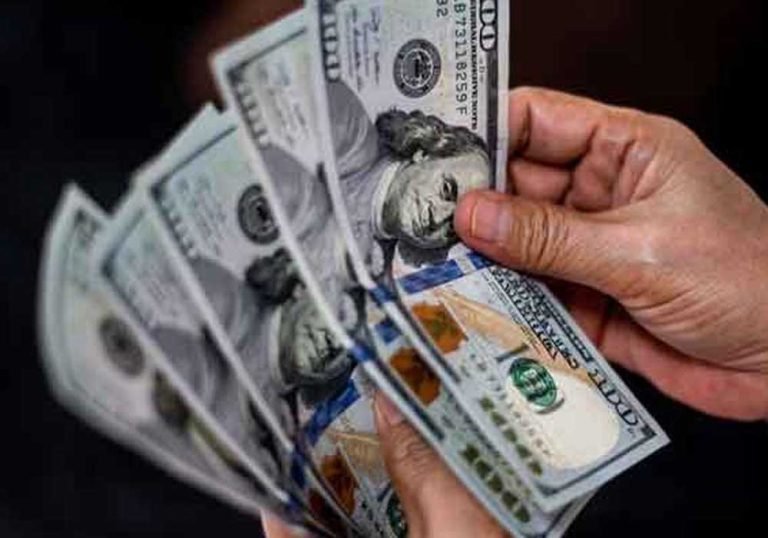
ISLAMABAD — The Pakistani Rupee experienced a slight appreciation against the US Dollar on Tuesday, gaining 01 paisa in the interbank market. The Rupee closed at Rs 277.61, compared to the previous day’s closing rate of Rs 277.62, according to data from the Forex Association of Pakistan (FAP).
What Happened
On August 18, 2023, the Pakistani Rupee showed a minor improvement against the US Dollar, closing at Rs 277.61 in the interbank market. This marginal gain of 01 paisa was recorded despite ongoing economic challenges faced by the country. The Forex Association of Pakistan reported that the buying and selling rates of the dollar in the open market were recorded at Rs 278.00 and Rs 280.00, respectively. The slight appreciation of the Rupee comes amidst fluctuating currency trends influenced by various economic factors, including international trade dynamics and domestic fiscal policies.
Currency analysts suggest that the Rupee’s performance is closely tied to the country’s foreign exchange reserves and the balance of payments situation. The State Bank of Pakistan has been actively monitoring the currency market to ensure stability, implementing measures to curb speculative trading and maintain liquidity in the market. The central bank’s interventions have been aimed at stabilizing the Rupee, which has faced significant pressure in recent months due to external debt obligations and trade imbalances.
Background
The Pakistani Rupee has been under considerable pressure over the past year, primarily due to the country’s economic challenges, including high inflation rates, a growing fiscal deficit, and external debt repayments. Historically, the Rupee’s value has been influenced by a combination of domestic economic policies and external factors such as global oil prices and geopolitical tensions. The government has been working to implement economic reforms to stabilize the currency and improve the overall economic outlook.
In recent years, Pakistan has sought assistance from international financial institutions, including the International Monetary Fund (IMF), to address its economic challenges. The IMF’s support has been contingent on the implementation of structural reforms aimed at improving fiscal discipline and enhancing revenue collection. These measures are intended to create a more sustainable economic environment and reduce reliance on external borrowing.
Why It Matters
The slight appreciation of the Rupee against the US Dollar, while minimal, is significant for several reasons. Firstly, it provides a temporary respite for importers who have been grappling with rising costs due to a weaker Rupee. A stronger Rupee can help reduce the cost of imported goods, thereby easing inflationary pressures on consumers. This is particularly important in a country like Pakistan, where inflation has been a persistent issue affecting the purchasing power of citizens.
Secondly, the Rupee’s performance is a critical indicator of investor confidence in the country’s economic stability. A stable or appreciating Rupee can boost investor sentiment, encouraging foreign direct investment and contributing to economic growth. Conversely, a depreciating currency can deter investment and exacerbate economic challenges.
Lastly, the Rupee’s exchange rate has broader implications for Pakistan’s international trade relations. A stable currency can enhance the competitiveness of Pakistani exports by providing more predictable pricing for international buyers. This, in turn, can help improve the country’s trade balance and support economic growth.
Key Takeaways
- The Pakistani Rupee appreciated by 01 paisa against the US Dollar in the interbank market, closing at Rs 277.61.
- The Forex Association of Pakistan reported open market buying and selling rates of Rs 278.00 and Rs 280.00, respectively.
- The Rupee’s performance is influenced by factors such as foreign exchange reserves and the balance of payments situation.
- A stable or appreciating Rupee can help reduce inflationary pressures and boost investor confidence.
- The Rupee’s exchange rate has significant implications for Pakistan’s international trade relations and economic growth.
Source Attribution
This article is based on official government statements, press releases, and public communications from relevant authorities.














