
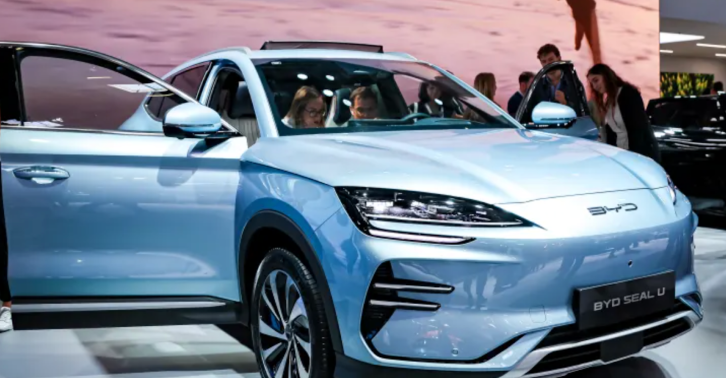
BEIJING — Pakistan’s electric vehicle (EV) market is experiencing a significant transformation, driven by a substantial increase in imports of Chinese plug-in hybrid and electric vehicles. According to customs data, these imports have surged more than tenfold in the first half of 2026, reflecting a growing acceptance among Pakistani consumers and policymakers of the shift towards electrification in the automotive sector.
What Happened
In the first six months of 2026, Pakistan has seen a remarkable increase in the importation of Chinese electric and plug-in hybrid vehicles. This surge, exceeding a tenfold increase compared to previous years, underscores a significant shift in the country’s automotive landscape. The data, sourced from customs records, highlights the growing interest and investment in electric vehicles as part of Pakistan’s broader strategy to embrace sustainable and environmentally friendly technologies.
The surge in imports is largely attributed to the affordability and advanced technology of Chinese electric vehicles. Pakistani consumers are increasingly opting for these vehicles due to their cost-effectiveness and the technological advancements they offer. The Pakistani government has also played a crucial role in facilitating this transition by implementing policies that encourage the adoption of electric vehicles, including tax incentives and infrastructure development for charging stations.
A senior official from the Ministry of Industries and Production stated, “The rapid increase in electric vehicle imports is a testament to our commitment to reducing carbon emissions and promoting sustainable transportation solutions. We are working closely with Chinese manufacturers to ensure the availability of affordable and high-quality electric vehicles in Pakistan.”
Background
Pakistan’s journey towards electrification of its automotive sector began several years ago, with the government setting ambitious targets to reduce carbon emissions and decrease reliance on fossil fuels. The National Electric Vehicle Policy, introduced in 2019, laid the groundwork for this transition by setting clear goals for the adoption of electric vehicles, including incentives for manufacturers and consumers alike.
Historically, Pakistan’s automotive industry has been dominated by traditional internal combustion engine vehicles, with limited infrastructure for electric vehicles. However, recent developments, including partnerships with Chinese manufacturers, have accelerated the growth of the EV market. The introduction of affordable electric models has made these vehicles more accessible to the average Pakistani consumer, further driving demand.
Why It Matters
The rapid increase in electric vehicle imports has significant implications for Pakistan’s economy and environment. Economically, the shift towards electric vehicles is expected to reduce the country’s dependency on imported fossil fuels, thereby improving the trade balance and reducing the financial burden of fuel imports. This transition also opens up new opportunities for local businesses and entrepreneurs in the EV supply chain, from manufacturing to maintenance and charging infrastructure.
Environmentally, the adoption of electric vehicles is a crucial step in addressing air pollution and reducing greenhouse gas emissions in Pakistan’s urban centers. Cities like Karachi and Lahore, which suffer from severe air quality issues, stand to benefit significantly from the reduced emissions associated with electric vehicles. This shift aligns with global efforts to combat climate change and positions Pakistan as a proactive player in the global movement towards sustainable transportation.
Furthermore, the collaboration with Chinese manufacturers not only brings advanced technology to Pakistan but also strengthens bilateral trade relations. This partnership is expected to lead to further investments in Pakistan’s automotive sector, potentially resulting in local assembly or manufacturing of electric vehicles, which would create jobs and stimulate economic growth.
Key Takeaways
- Pakistan’s imports of Chinese electric vehicles have increased more than tenfold in the first half of 2026.
- The surge is driven by affordable pricing and advanced technology of Chinese EVs.
- Government policies and incentives are facilitating the transition to electric vehicles.
- The shift to EVs is expected to reduce reliance on fossil fuel imports and improve air quality.
- Collaboration with Chinese manufacturers strengthens trade relations and economic growth.
Source Attribution
This article is based on official government statements, press releases, and public communications from relevant authorities.














