
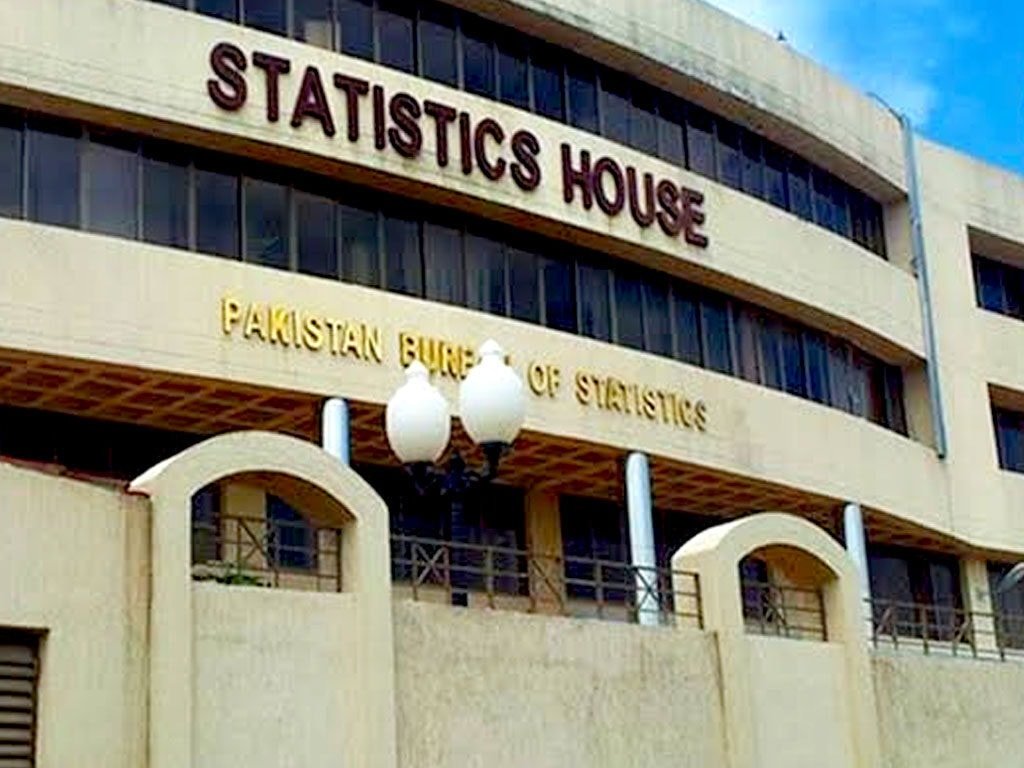
ISLAMABAD — Pakistan’s food group exports witnessed a growth of 2.47% in July 2023 compared to the same month last year, according to the latest data released by the Pakistan Bureau of Statistics (PBS). This increase marks a positive start to the financial year, reflecting resilience in the country’s agricultural sector amid global economic challenges.
What Happened
The Pakistan Bureau of Statistics reported that the food group exports for July 2023 reached a significant value, indicating a 2.47% rise compared to July 2022. The increase in exports is attributed to a variety of factors, including improved agricultural practices, favorable weather conditions, and enhanced market access. Key contributors to this growth included rice, fruits, and vegetables, which saw substantial demand in international markets.
Rice exports, a major component of Pakistan’s food export sector, showed a commendable increase. The demand for Pakistani basmati and non-basmati rice varieties remained strong, particularly in Middle Eastern and European markets. Additionally, fruit exports, especially mangoes, also contributed to the rise, with Pakistan’s mangoes being highly sought after in regions such as the Gulf and Southeast Asia.
The PBS data further highlighted that the export of vegetables, including onions and potatoes, also saw an uptick. This growth is seen as a result of strategic trade agreements and the opening of new markets, which have provided an impetus to the country’s export capabilities.
Background
Historically, Pakistan’s economy has been heavily reliant on its agricultural sector, which contributes significantly to the GDP and employs a large portion of the workforce. The food export sector, in particular, has been a vital component of the country’s trade balance. In recent years, the government has implemented various initiatives to boost agricultural productivity and export potential, including subsidies, improved irrigation systems, and the introduction of high-yield crop varieties.
In the past decade, Pakistan has faced challenges such as water scarcity, outdated farming techniques, and limited access to international markets. However, recent policy shifts and technological advancements have started to address these issues, leading to gradual improvements in export figures.
Why It Matters
The increase in food group exports is significant for Pakistan’s economy, as it not only boosts foreign exchange reserves but also strengthens the agricultural sector’s role in economic development. This growth can potentially lead to increased investment in agriculture, fostering innovation and sustainability in farming practices.
Economically, the rise in exports helps in narrowing the trade deficit, a persistent issue for Pakistan. By enhancing export revenues, the country can better manage its balance of payments and reduce reliance on external borrowing. This is crucial for maintaining economic stability and fostering growth in other sectors.
Socially, the growth in food exports supports rural economies, where agriculture is the primary livelihood. Increased demand for agricultural produce can lead to higher incomes for farmers, improved living standards, and reduced poverty levels in rural areas. Additionally, it encourages the adoption of modern farming techniques, which can lead to more sustainable agricultural practices.
On an international level, the growth in food exports enhances Pakistan’s trade relationships and opens up opportunities for further bilateral agreements. Strengthening these ties can lead to more diversified export markets, reducing dependency on a few key trading partners.
Key Takeaways
- Pakistan’s food group exports rose by 2.47% in July 2023 compared to July 2022.
- Key contributors to this growth include increased exports of rice, fruits, and vegetables.
- The rise in exports aids in narrowing the trade deficit and boosting foreign exchange reserves.
- Growth in the agricultural sector supports rural economies and improves farmers’ livelihoods.
- Enhanced trade relationships can lead to more diversified export markets for Pakistan.
Source Attribution
This article is based on official government statements, press releases, and public communications from relevant authorities.














