
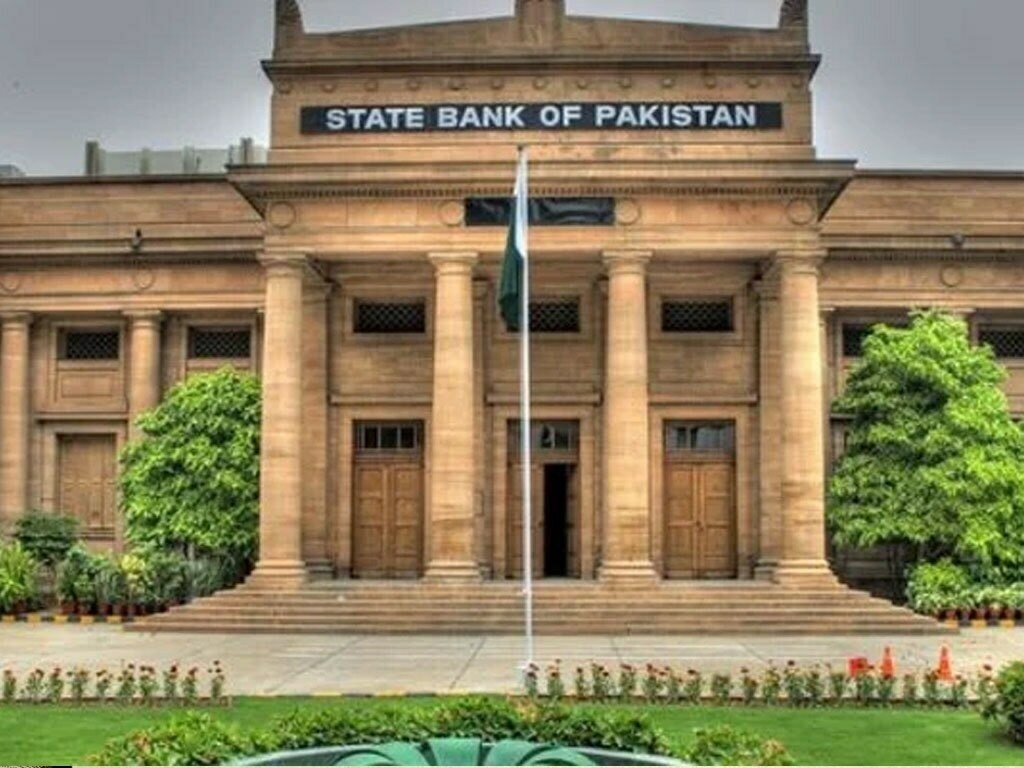
KARACHI — Pakistan’s total liquid foreign reserves have risen to $22.5 billion, marking a notable increase in the country’s financial stability. The State Bank of Pakistan (SBP) reported that its reserves increased to $17.08 billion as of August 13, 2026, reflecting a $25 million rise within a week.
What Happened
The State Bank of Pakistan (SBP) announced an increase in its foreign exchange reserves, which reached $17.08 billion by the end of the week on August 13, 2026. This represents a $25 million increment compared to the previous week. However, the net foreign reserves held by commercial banks saw a decrease of $17 million, bringing their total to $5.42 billion. As a result, the overall liquid foreign reserves of the country now stand at $22.51 billion.
In the preceding week, ending on August 7, 2026, Pakistan’s total liquid foreign reserves were recorded at $22.50 billion. Of this amount, the SBP held $17.06 billion, while commercial banks accounted for $5.44 billion. The recent changes indicate a modest but positive shift in the central bank’s reserves, although commercial banks experienced a slight decline.
The SBP’s weekly statement provided a detailed breakdown of the foreign reserves, highlighting the fluctuations in both the central and commercial banks’ holdings. These figures are crucial for understanding Pakistan’s economic health and its ability to manage external obligations.
Background
Foreign reserves are a critical component of a country’s economic framework, serving as a buffer against economic shocks and a tool for managing currency stability. Pakistan has historically faced challenges in maintaining adequate foreign reserves due to a variety of factors, including trade deficits, external debt obligations, and geopolitical tensions.
In recent years, Pakistan has undertaken several measures to bolster its foreign reserves, including securing loans from international financial institutions and implementing economic reforms aimed at boosting exports and attracting foreign investment. The SBP plays a pivotal role in managing these reserves and ensuring that the country can meet its international financial commitments.
The fluctuations in foreign reserves also reflect broader economic trends, such as changes in trade balances, remittances from overseas Pakistanis, and foreign direct investment inflows. Monitoring these reserves is essential for assessing the country’s economic resilience and its capacity to navigate financial challenges.
Why It Matters
The increase in Pakistan’s foreign reserves is a positive indicator for the country’s economic stability. Higher reserves enhance the SBP’s ability to intervene in foreign exchange markets to stabilize the Pakistani rupee, which has faced volatility in recent years. A stable currency is crucial for maintaining investor confidence and promoting economic growth.
Moreover, robust foreign reserves provide a cushion against external economic shocks, such as fluctuations in global oil prices or unexpected changes in international trade dynamics. This financial buffer is particularly important for Pakistan, which relies heavily on imported goods and faces significant external debt obligations.
The rise in reserves also has implications for Pakistan’s credit rating and its ability to secure favorable terms in international financial markets. A strong reserve position can lead to improved credit ratings, reducing borrowing costs and facilitating access to international capital.
For the average Pakistani citizen, stable foreign reserves can translate into more predictable prices for imported goods and services, as well as greater economic opportunities through increased investment and job creation. The government’s ability to manage foreign reserves effectively is therefore closely linked to broader economic well-being and development.
Key Takeaways
- Pakistan’s total liquid foreign reserves have risen to $22.5 billion as of August 13, 2026.
- The State Bank of Pakistan’s reserves increased by $25 million, reaching $17.08 billion.
- Commercial banks’ foreign reserves decreased by $17 million, totaling $5.42 billion.
- Higher reserves enhance economic stability and provide a buffer against external shocks.
- Stable reserves are crucial for maintaining currency stability and investor confidence.
Source Attribution
This article is based on official government statements, press releases, and public communications from relevant authorities.














