
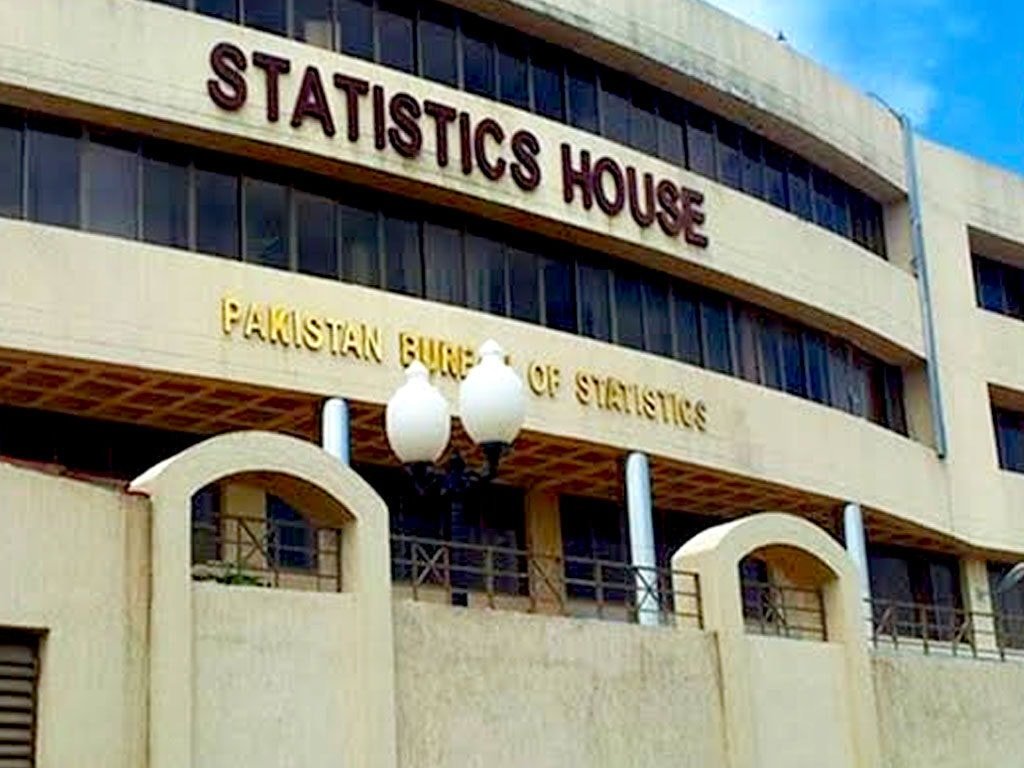
ISLAMABAD — Pakistan’s textile exports surged by 8.07 percent in July 2026, reaching $1.814 billion, according to data released by the Pakistan Bureau of Statistics (PBS) on Tuesday. This increase marks a positive start to the financial year 2026-27, compared to the same month in the previous year.
What Happened
The PBS report detailed that Pakistan’s textile sector, a cornerstone of the national economy, experienced a significant boost in its export figures for July 2026. The export value climbed to $1.814 billion, up from $1.679 billion recorded in July 2025. This growth reflects the sector’s resilience and capacity to expand despite various challenges.
Industry experts attribute this rise to several factors, including increased demand in international markets, improved production capabilities, and favorable government policies aimed at supporting the textile industry. The export of textile products such as garments, bed linen, and cotton yarn saw notable increases, contributing to the overall growth in export value.
The PBS highlighted that the textile sector’s performance is crucial for Pakistan’s economy, as it accounts for a significant portion of the country’s total exports. The sector’s contribution is vital for generating foreign exchange and providing employment to millions across the nation.
Background
The textile industry in Pakistan has historically been a major economic driver, contributing significantly to the country’s GDP and export earnings. Over the years, the sector has faced numerous challenges, including energy shortages, outdated machinery, and competition from regional players like Bangladesh and Vietnam.
In recent years, the government has introduced various initiatives to bolster the textile industry, such as tax incentives, subsidies on raw materials, and investments in infrastructure development. These measures aim to enhance the sector’s competitiveness on the global stage and ensure its sustainable growth.
Additionally, the global textile market has seen shifts in demand patterns, with consumers increasingly favoring sustainable and ethically produced goods. Pakistani textile manufacturers have been adapting to these trends by investing in eco-friendly production processes and certifications.
Why It Matters
The increase in textile exports is a significant indicator of economic health for Pakistan, a country that heavily relies on its textile sector for foreign exchange earnings. The growth in exports not only strengthens the country’s balance of payments but also supports the local economy by creating jobs and fostering industrial development.
Economically, this uptick in exports can help alleviate some of the pressures on Pakistan’s foreign reserves, which have been under strain due to various external and internal factors. A robust textile export sector can contribute to stabilizing the national currency and reducing the trade deficit.
Socially, the textile industry’s expansion provides employment opportunities, particularly for women, who make up a substantial portion of the workforce in this sector. Empowering women through employment can lead to broader socio-economic benefits, including improved household incomes and enhanced social mobility.
Politically, a thriving textile export market can strengthen Pakistan’s trade relationships with key partners, including the United States and European Union, which are major importers of Pakistani textiles. Maintaining and expanding these trade ties is crucial for Pakistan’s diplomatic and economic strategy.
Key Takeaways
- Pakistan’s textile exports increased by 8.07 percent in July 2026, reaching $1.814 billion.
- The growth is attributed to higher international demand, improved production, and supportive government policies.
- The textile sector is vital for Pakistan’s economy, contributing significantly to export earnings and employment.
- Government initiatives have been instrumental in enhancing the sector’s competitiveness globally.
- The increase in exports supports Pakistan’s foreign exchange reserves and trade balance.
Source Attribution
This article is based on official government statements, press releases, and public communications from relevant authorities.














