
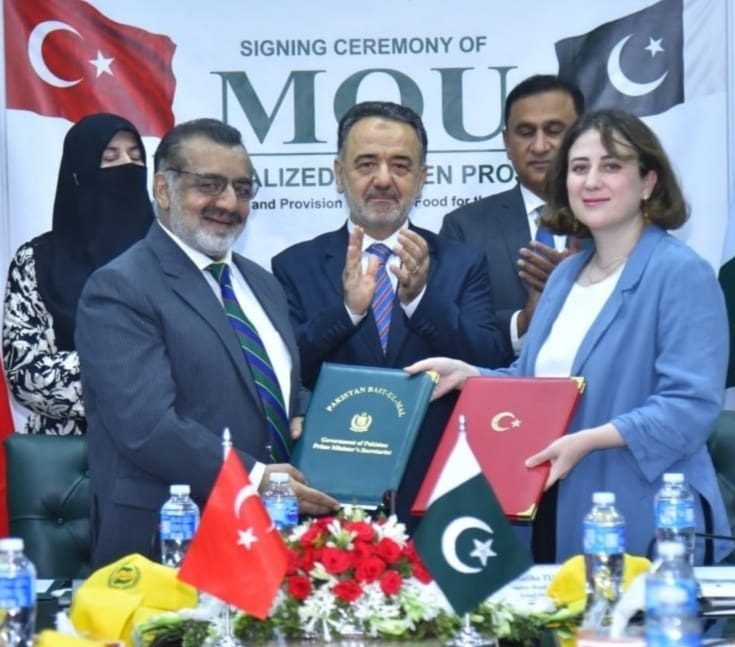
ISLAMABAD — Pakistan Bait-ul-Mal (PBM), in partnership with the Turkish Cooperation and Coordination Agency (TIKA), has inaugurated a Centralized Kitchen aimed at providing meals to those in need across Pakistan. The initiative, announced on Monday, seeks to address food insecurity and support vulnerable populations through a sustainable and efficient food distribution system.
What Happened
The launch of the Centralized Kitchen was marked by a ceremony attended by key officials from both PBM and TIKA. The kitchen, located in Islamabad, is equipped to prepare and distribute thousands of meals daily, targeting impoverished communities and individuals affected by economic hardships. This collaboration underscores the long-standing relationship between Pakistan and Turkiye, with both nations committed to humanitarian aid and social welfare.
PBM Managing Director Amir Fida Paracha highlighted the importance of this initiative, stating, “This project will significantly enhance our capacity to serve those in need, ensuring that no one goes hungry.” TIKA’s Country Coordinator, Gökhan Umut, emphasized the agency’s dedication to supporting Pakistan’s social welfare efforts, noting, “Our partnership with PBM is a testament to the strong ties between our countries and our shared commitment to humanitarian causes.”
The Centralized Kitchen is designed to be a model of efficiency and sustainability, utilizing modern technology to maximize output while minimizing waste. It will operate with a team of trained staff and volunteers, ensuring that meals are prepared hygienically and distributed promptly to various regions, including remote and underserved areas.
Background
Pakistan Bait-ul-Mal, a government-run social welfare organization, has been instrumental in providing assistance to the underprivileged since its inception. It operates under the Ministry of Poverty Alleviation and Social Safety and focuses on various programs, including financial assistance, education support, and healthcare services. TIKA, on the other hand, is a prominent Turkish agency known for its international development and cooperation projects, particularly in the fields of education, health, and infrastructure.
The collaboration between PBM and TIKA is not new; both organizations have previously partnered on several projects aimed at improving the living standards of marginalized communities in Pakistan. This latest venture builds on their shared history of cooperation and aims to create a lasting impact on food security in the region.
Why It Matters
The establishment of the Centralized Kitchen is a significant step in addressing food insecurity in Pakistan, a country where millions face hunger and malnutrition daily. According to the Global Hunger Index, Pakistan ranks 92nd out of 116 countries, highlighting the urgent need for effective interventions to combat hunger and improve nutrition.
This initiative is particularly crucial in the context of the ongoing economic challenges facing Pakistan, exacerbated by the COVID-19 pandemic and rising inflation. By providing free meals to those in need, the Centralized Kitchen not only alleviates immediate hunger but also offers a measure of economic relief to struggling families.
Moreover, the partnership between PBM and TIKA exemplifies the power of international cooperation in addressing global challenges. It serves as a model for other nations and organizations looking to collaborate on humanitarian efforts, demonstrating the positive outcomes that can be achieved through shared resources and expertise.
Key Takeaways
- PBM and TIKA have launched a Centralized Kitchen in Islamabad to combat food insecurity.
- The kitchen aims to prepare and distribute thousands of meals daily to impoverished communities.
- This initiative highlights the strong bilateral relations between Pakistan and Turkiye.
- The project addresses urgent food security needs amid Pakistan’s economic challenges.
- It serves as a model for international cooperation in humanitarian aid.
Source Attribution
This article is based on official government statements, press releases, and public communications from relevant authorities.














