
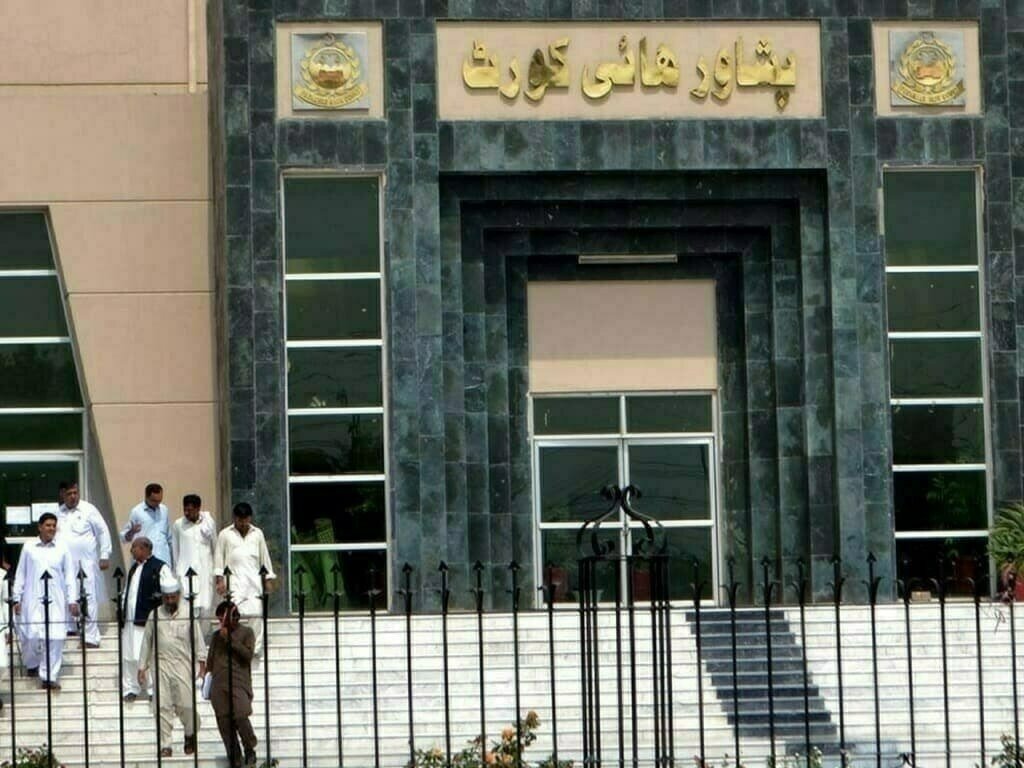
PESHAWAR — The Peshawar High Court on Thursday dismissed petitions filed by two former Afghan generals who sought temporary residence in Pakistan, visa renewals, and protection from deportation. The decision was delivered by a bench consisting of Justice Waqar Ahmad and Justice Kamran Hayat Miankhel.
What Happened
The Peshawar High Court issued a detailed written order dismissing the petitions of two former Afghan generals. The petitioners, who previously held significant positions in Afghanistan’s military and protective services, argued that their lives would be at risk if they were forced to return to Afghanistan following the change in government there. They requested the court’s intervention to allow them to remain temporarily in Pakistan and receive emergency medical treatment.
The petitioners had already submitted applications to the relevant authorities for visa extension and renewal. They sought the court’s directive to prevent their arrest, harassment, and deportation until their visa applications were processed. However, the court clarified that issues related to visa renewal, extension, and the stay of foreign nationals are under the jurisdiction of government and administrative bodies, not the judiciary.
In its decision, the court referenced Article 199 of the Constitution, stating there was no legal basis for judicial intervention in such administrative matters. As a result, the bench dismissed the petitions, leaving the former generals to pursue their requests through the appropriate governmental channels.
Background
The situation of Afghan nationals seeking refuge in Pakistan has been a complex issue, particularly after the Taliban’s takeover of Afghanistan in August 2021. Many former Afghan officials and military personnel have sought asylum or temporary refuge in neighboring countries, fearing persecution or retribution under the new regime.
Pakistan, sharing a long and porous border with Afghanistan, has been a primary destination for Afghan refugees. The country has hosted millions of Afghan refugees over the past four decades, following various conflicts in Afghanistan. However, the legal and administrative processes for asylum seekers and visa renewals are governed by strict regulations, often leaving many in precarious situations.
Why It Matters
The dismissal of the petitions by the Peshawar High Court underscores the challenges faced by Afghan nationals seeking refuge in Pakistan. The court’s decision highlights the limitations of judicial intervention in matters that are primarily administrative and governmental. This ruling may set a precedent for similar cases, affecting the lives of numerous Afghan nationals in Pakistan.
Economically, the influx of Afghan refugees and asylum seekers poses a challenge for Pakistan, which is already grappling with its own economic issues. The need for humanitarian assistance, coupled with the administrative burden of processing asylum and visa applications, strains Pakistan’s resources.
Politically, the situation affects Pakistan’s diplomatic relations with Afghanistan and the international community. Pakistan’s handling of Afghan refugees is closely watched by international human rights organizations and could influence its global standing.
Socially, the presence of Afghan refugees impacts local communities, leading to both humanitarian solidarity and tensions over resource allocation. The legal status of these individuals remains a contentious issue, with implications for their safety, employment, and integration into society.
Key Takeaways
- The Peshawar High Court dismissed petitions from two former Afghan generals seeking to stay in Pakistan.
- The court ruled that visa and stay matters are administrative, not judicial, issues.
- Afghan nationals face significant challenges in securing legal status in Pakistan.
- The decision may impact future cases of Afghan asylum seekers in Pakistan.
- The situation has broader economic, political, and social implications for Pakistan.
Source Attribution
This article is based on official government statements, press releases, and public communications from relevant authorities.














