
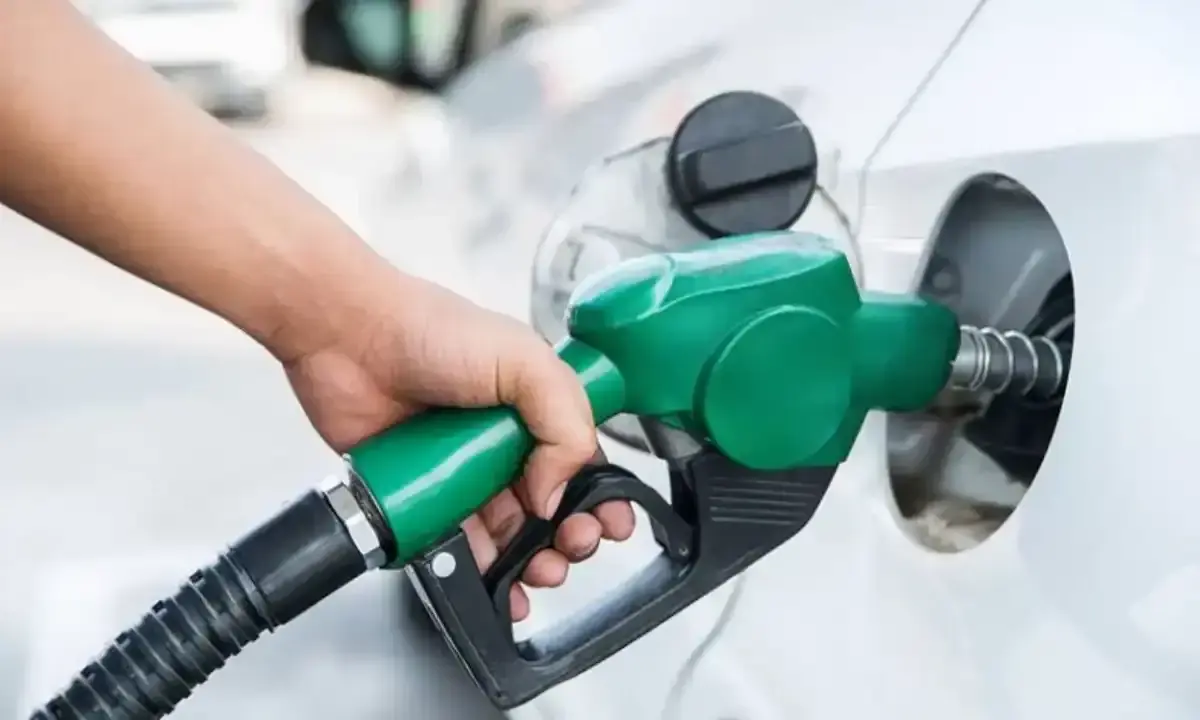
ISLAMABAD — The Pakistani government has announced an increase in the prices of petrol and high-speed diesel (HSD) effective from August 19. This adjustment comes as part of the government’s regular review of fuel prices, which are influenced by global oil market trends and domestic economic conditions.
What Happened
On August 18, the Petroleum Division of Pakistan issued a notification detailing the new fuel prices. The price of high-speed diesel has been increased by Rs5.27 per litre, bringing it to Rs395.69 from the previous rate of Rs390.42. Similarly, the price of petrol has been raised by Rs3.34 per litre. These changes are set to take effect from August 19.
The decision to adjust fuel prices is typically influenced by fluctuations in international oil markets and the exchange rate of the Pakistani rupee against the US dollar. The government periodically reviews these prices to align domestic rates with global trends, aiming to manage the economic impact on the national budget and consumer spending.
According to the Petroleum Division, the price adjustments are necessary to ensure the stability of the fuel supply chain and to cover the costs associated with importing oil. The division emphasized that these changes are made after careful consideration of the prevailing economic conditions and international oil price movements.
Background
Fuel pricing in Pakistan is a critical component of the country’s economic framework. The government regularly revises these prices, typically on a fortnightly basis, to reflect changes in the international oil market. This practice aims to ensure that domestic fuel prices remain competitive while also managing the fiscal deficit.
Historically, fluctuations in fuel prices have had significant impacts on Pakistan’s economy, affecting everything from transportation costs to the price of goods and services. The government often faces a delicate balance between maintaining affordable fuel prices for consumers and ensuring that the national budget can accommodate the costs associated with fuel imports.
In recent years, Pakistan has experienced economic challenges, including a depreciating currency and rising inflation rates. These factors have compounded the effects of global oil price changes, making fuel pricing a contentious issue for both policymakers and the public.
Why It Matters
The increase in fuel prices is expected to have a wide-ranging impact on Pakistan’s economy. Higher fuel costs typically lead to increased transportation expenses, which can drive up the prices of goods and services across various sectors. This, in turn, can contribute to inflationary pressures, affecting the purchasing power of consumers.
For the average Pakistani citizen, the rise in fuel prices means higher costs for commuting and transportation of goods. This could lead to increased household expenses, particularly for those who rely heavily on personal vehicles or public transport.
Economically, the government faces the challenge of balancing the need for fiscal stability with the potential social impact of rising fuel costs. The increase in prices may also affect the industrial sector, where fuel is a significant input cost, potentially leading to higher production costs and reduced competitiveness in international markets.
On a broader scale, the adjustments in fuel prices may influence Pakistan’s trade balance, as higher import costs for oil could widen the current account deficit. This scenario underscores the importance of strategic economic planning and the need for policies that can mitigate the adverse effects of global oil price volatility.
Key Takeaways
- The government has increased petrol and diesel prices effective from August 19.
- High-speed diesel price rose by Rs5.27 per litre to Rs395.69.
- Petrol price increased by Rs3.34 per litre.
- The adjustments are influenced by global oil market trends and domestic economic conditions.
- Rising fuel prices could contribute to inflation and affect consumer purchasing power.
Source Attribution
This article is based on official government statements, press releases, and public communications from relevant authorities.














