
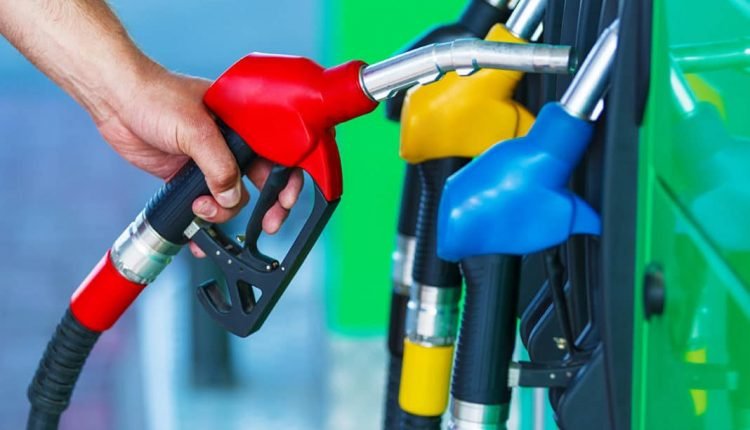
ISLAMABAD — The Government of Pakistan has announced a revision in the prices of petroleum products, effective from August 12, 2026. According to an official notification from the Petroleum Division, the price of petrol has been decreased by Rs1.70 per litre, while the price of high-speed diesel has been increased by Rs1.39 per litre.
What Happened
The decision to adjust the prices of petroleum products was communicated through a notification issued on Tuesday. The revised pricing structure will see the price of petrol, commonly referred to as Motor Spirit, reduced to provide some relief to consumers. Conversely, the price of high-speed diesel, which is extensively used in the transport and agriculture sectors, will see a slight increase.
This adjustment in fuel prices is part of the government’s regular review process, which considers various factors, including international oil prices and the exchange rate. The government aims to balance consumer interests with the need to manage fiscal pressures.
In a statement, a spokesperson from the Petroleum Division highlighted that the price adjustments are reflective of the current global oil market trends and the need to maintain economic stability. “The government is committed to ensuring that the impact of international price fluctuations is minimized for the public,” the spokesperson said.
Background
Petroleum product pricing in Pakistan is a sensitive issue, often influenced by global oil market dynamics and domestic economic conditions. Historically, the government has adjusted prices on a fortnightly basis, taking into account the changes in international oil prices and the exchange rate of the Pakistani rupee against the US dollar.
In recent years, fluctuations in global oil prices have posed significant challenges for Pakistan’s economy, impacting inflation rates and the cost of living. The government has been under pressure to manage these fluctuations while ensuring that fiscal deficits do not widen.
The Oil and Gas Regulatory Authority (OGRA) plays a crucial role in recommending price adjustments, which are then approved by the Ministry of Finance. These decisions are often subject to public scrutiny and political debate.
Why It Matters
The adjustment in petrol and diesel prices has both economic and social implications for Pakistan. For consumers, the reduction in petrol prices is a welcome relief amid rising inflation and cost of living. Petrol is a primary fuel for private vehicles, and a reduction in its price could lead to decreased transportation costs for individuals and businesses.
However, the increase in diesel prices could have a ripple effect on various sectors, particularly agriculture and transport. Diesel is predominantly used in agricultural machinery and freight transport. An increase in diesel prices could lead to higher operational costs for farmers and transporters, potentially affecting food prices and the cost of goods transportation across the country.
Economically, these price adjustments reflect the government’s attempt to manage fiscal stability while responding to international oil market trends. The balance between consumer relief and fiscal responsibility is delicate, and the government must navigate these adjustments carefully to avoid exacerbating inflationary pressures.
Internationally, the price adjustments signal Pakistan’s responsiveness to global oil market dynamics. As a net importer of oil, Pakistan’s economic health is closely tied to international oil prices, and these adjustments are part of the broader strategy to manage economic resilience.
Key Takeaways
- The price of petrol in Pakistan has been reduced by Rs1.70 per litre, effective August 12, 2026.
- High-speed diesel prices have been increased by Rs1.39 per litre, impacting transport and agriculture sectors.
- The adjustments reflect global oil market trends and are aimed at balancing consumer relief with fiscal stability.
- Petroleum pricing is influenced by international oil prices and the exchange rate of the Pakistani rupee.
- The changes have significant implications for inflation, transportation costs, and economic stability in Pakistan.
Source Attribution
This article is based on official government statements, press releases, and public communications from relevant authorities.














