
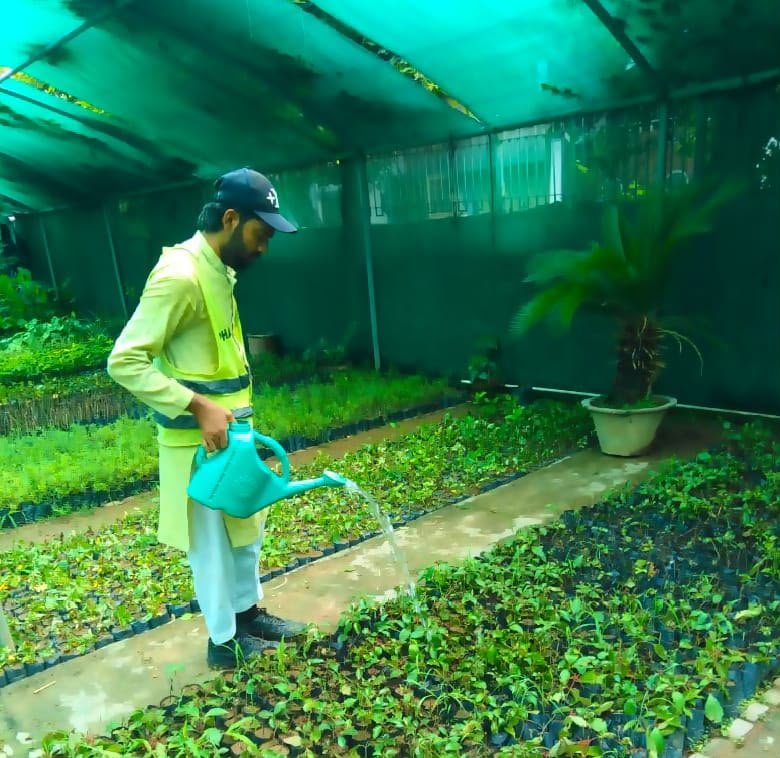
RAWALPINDI — The Rawalpindi Horticulture Agency (PHA) has embarked on a comprehensive beautification initiative for Hilal Park and its adjoining nursery located in the Al-Furqan Sector. The project aims to enhance the aesthetic appeal and environmental quality of the area, providing residents with a cleaner and more inviting recreational space.
What Happened
The PHA has commenced a series of measures focused on the landscaping, plantation, and maintenance of Hilal Park and its nursery. This initiative is part of a broader effort to improve urban green spaces, which are vital for environmental sustainability and public well-being. The agency is implementing a detailed plan that includes planting a variety of flora, enhancing the park’s infrastructure, and ensuring regular upkeep to maintain the area’s beauty and functionality.
According to PHA officials, the project will involve the planting of indigenous and exotic plant species to create a diverse and vibrant ecosystem. This will not only beautify the park but also contribute to biodiversity and ecological balance. The nursery will serve as a hub for growing and nurturing plants that will be used in the park and other green areas across Rawalpindi.
PHA Director General, while discussing the project, stated, “Our goal is to transform Hilal Park into a model of urban greenery that provides a peaceful and healthy environment for the community. We are committed to maintaining high standards of horticultural care to ensure the park remains a cherished asset for the city.”
Background
Hilal Park, situated in the Al-Furqan Sector, has long been a popular spot for residents seeking leisure and relaxation. However, like many urban parks in Pakistan, it has faced challenges related to maintenance and environmental degradation. The PHA, established to oversee the development and maintenance of parks and horticultural spaces in Rawalpindi, has been actively working to address these issues through various initiatives.
In recent years, the agency has undertaken several projects aimed at enhancing the green infrastructure of the city. These efforts are aligned with national policies promoting environmental sustainability and urban development. The current beautification project at Hilal Park is part of this ongoing commitment to improving public spaces.
Why It Matters
The beautification of Hilal Park holds significant importance for the residents of Rawalpindi and the broader region. Urban parks play a crucial role in enhancing the quality of life by providing spaces for recreation, relaxation, and social interaction. They also contribute to environmental health by improving air quality, supporting biodiversity, and mitigating urban heat effects.
For the local community, the revitalization of Hilal Park means access to a well-maintained and aesthetically pleasing environment, which can positively impact mental and physical health. The availability of such spaces is particularly important in densely populated urban areas where access to nature is limited.
Economically, the enhancement of public parks can increase property values in the surrounding areas and attract more visitors, potentially boosting local businesses. Moreover, it reflects positively on the city’s image, showcasing a commitment to sustainable urban development.
On a broader scale, initiatives like this align with global efforts to promote green urban planning and environmental conservation. As cities face growing challenges from climate change and urbanization, investments in green infrastructure are essential for building resilient and sustainable urban environments.
Key Takeaways
- The PHA has launched a beautification project for Hilal Park and its nursery in Rawalpindi’s Al-Furqan Sector.
- The initiative includes landscaping, planting diverse flora, and maintaining the park’s infrastructure.
- Hilal Park’s revitalization aims to provide a clean and healthy recreational space for residents.
- The project supports environmental sustainability and aligns with national urban development policies.
- Improved urban parks can enhance community well-being and contribute to economic growth.
Source Attribution
This article is based on official government statements, press releases, and public communications from relevant authorities.














