
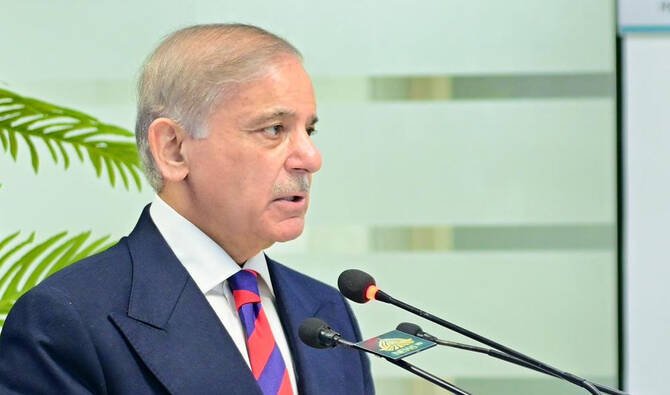
ISLAMABAD — Prime Minister Shehbaz Sharif on Friday commended the signing of nine agreements totaling $440 million between Pakistani and Chinese private enterprises in the pharmaceutical sector. This development is seen as a significant boost to bilateral economic cooperation and is expected to advance the next phase of the China-Pakistan Economic Corridor (CPEC 2.0).
What Happened
The agreements, signed on July 17, 2023, mark a substantial collaboration between Pakistan and China, focusing on the pharmaceutical industry. Prime Minister Shehbaz Sharif highlighted the importance of these agreements, stating that they represent a major step forward in strengthening economic ties between the two nations. The deals were formalized during a ceremony attended by representatives from both countries’ private sectors, underscoring the growing interest in collaborative ventures.
Prime Minister Sharif emphasized that these agreements would not only enhance the pharmaceutical sector but also contribute significantly to the broader economic landscape of Pakistan. “This partnership will pave the way for technological advancements and increased production capabilities in our pharmaceutical industry,” he stated. The Prime Minister also noted that these agreements are aligned with the objectives of CPEC 2.0, which aims to expand economic cooperation beyond infrastructure to include sectors like health, agriculture, and technology.
The agreements are expected to facilitate the transfer of technology and expertise, which will help Pakistan improve its pharmaceutical production standards and meet international quality benchmarks. This collaboration is anticipated to lead to job creation and skill development within the country, further boosting the local economy.
Background
The China-Pakistan Economic Corridor (CPEC) is a flagship project under China’s Belt and Road Initiative (BRI), aimed at enhancing regional connectivity and economic integration. Launched in 2013, CPEC has primarily focused on infrastructure development, including roads, energy projects, and port facilities. However, CPEC 2.0 represents a shift towards diversifying the areas of cooperation to include sectors such as technology, agriculture, and health.
Historically, Pakistan and China have maintained strong diplomatic and economic relations, with China being one of Pakistan’s largest trading partners. The pharmaceutical sector in Pakistan has been growing steadily, with an increasing demand for both domestic and export markets. The collaboration with Chinese firms is expected to further accelerate this growth by introducing advanced manufacturing techniques and expanding production capacities.
Why It Matters
The signing of these agreements is significant for several reasons. Economically, it represents a substantial influx of investment into Pakistan’s pharmaceutical sector, which is crucial for the country’s industrial diversification and economic resilience. As Pakistan seeks to reduce its reliance on imported medicines, these agreements could help boost local production, ensuring a more self-reliant healthcare system.
Socially, the collaboration is poised to enhance healthcare outcomes by providing access to affordable and high-quality medicines. This is particularly important for a country like Pakistan, where access to essential medicines remains a challenge for many. The agreements are likely to lead to improved healthcare infrastructure and services, benefiting millions of citizens.
Politically, the strengthening of economic ties with China through these agreements reinforces Pakistan’s strategic partnership with its neighbor. This collaboration is expected to enhance Pakistan’s standing in the region and provide a counterbalance to other geopolitical influences.
Key Takeaways
- Nine agreements worth $440 million were signed between Pakistani and Chinese private enterprises in the pharmaceutical sector.
- The agreements are part of efforts to advance CPEC 2.0, focusing on economic cooperation beyond infrastructure.
- The collaboration is expected to boost local pharmaceutical production and meet international quality standards.
- This partnership is anticipated to improve healthcare outcomes and create job opportunities in Pakistan.
- The agreements reinforce the strategic economic partnership between Pakistan and China.
Source Attribution
This article is based on official government statements, press releases, and public communications from relevant authorities.














