
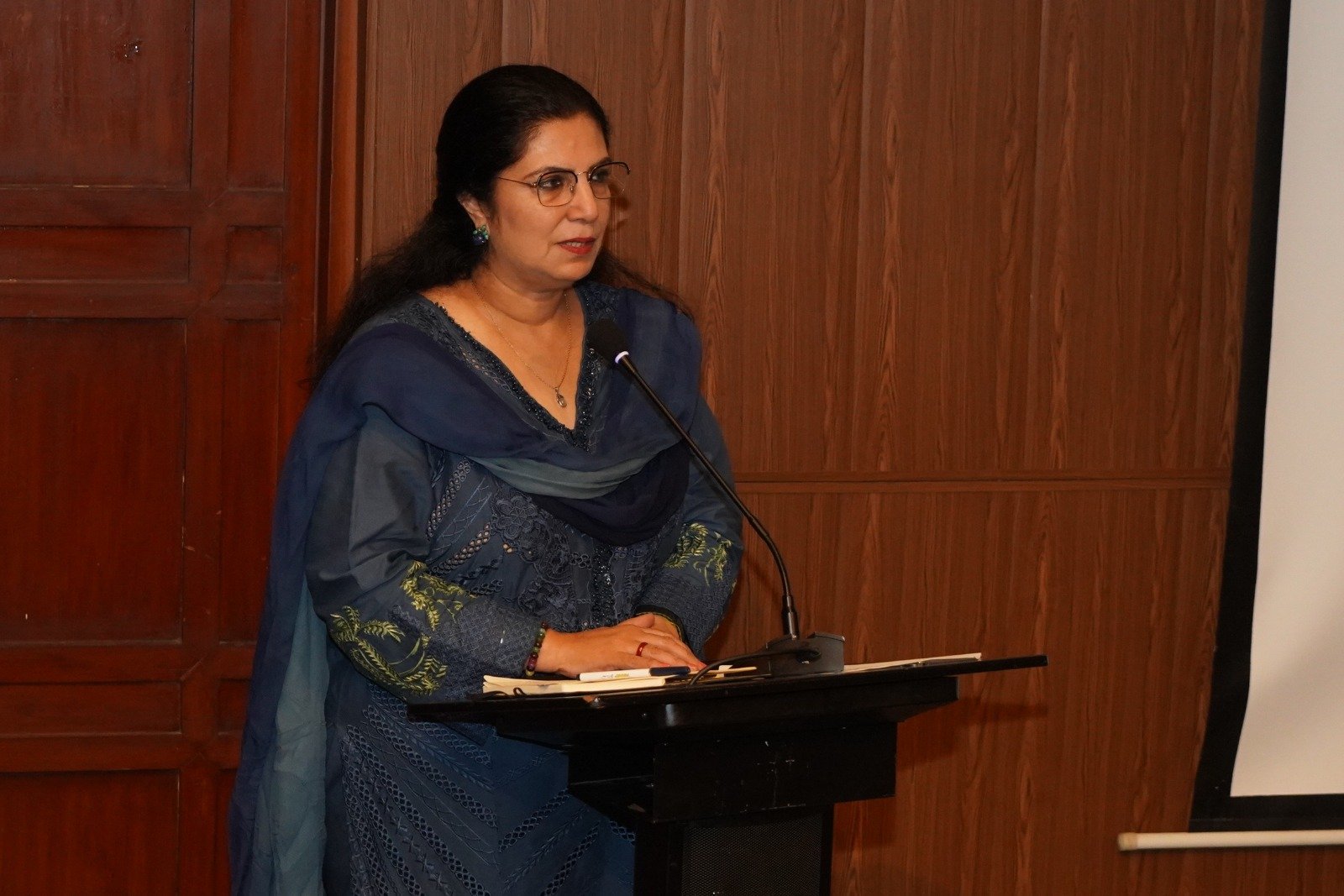
ISLAMABAD — The Pakistan National Council of the Arts (PNCA) hosted a tribute ceremony on Friday at the National Art Gallery to honor the late Prof. Dr. Shaukat Mahmood, a distinguished artist and educator whose contributions have left a lasting impact on Pakistan’s cultural and educational landscape.
What Happened
The event, titled “A Lifetime Tribute to Prof. Dr. Shaukat Mahmood (Late),” was organized to celebrate the life and legacy of one of Pakistan’s most revered figures in the arts and education sectors. Attendees included artists, educators, students, and admirers who gathered to pay their respects and reflect on Dr. Mahmood’s extensive body of work.
Speakers at the event highlighted Dr. Mahmood’s profound influence as an artist, researcher, and mentor. His contributions to the field of art education were particularly emphasized, with many noting how his teachings have inspired generations of artists and educators across the country. The ceremony featured speeches, presentations, and an exhibition of Dr. Mahmood’s artwork, showcasing his unique style and thematic diversity.
PNCA officials underscored the importance of remembering and celebrating figures like Dr. Mahmood, whose work continues to inspire and educate. “Dr. Shaukat Mahmood was not only a remarkable artist but also a visionary educator who dedicated his life to nurturing talent and promoting the arts in Pakistan,” a PNCA spokesperson stated.
Background
Prof. Dr. Shaukat Mahmood was a pivotal figure in Pakistan’s art and education sectors. Over his illustrious career, he served in various capacities, including as a professor and mentor to countless students. His research and artistic endeavors have been recognized nationally and internationally, earning him numerous accolades.
Dr. Mahmood’s work is characterized by its exploration of cultural and social themes, often reflecting the complexities of Pakistani society. His commitment to education was evident in his efforts to integrate art into mainstream education, advocating for its importance in fostering critical thinking and creativity among students.
The PNCA, established in 1973, has been instrumental in promoting and preserving Pakistan’s cultural heritage. Through events like this tribute ceremony, the council aims to honor individuals who have significantly contributed to the nation’s artistic and cultural development.
Why It Matters
The tribute to Prof. Dr. Shaukat Mahmood is significant not only as a recognition of his individual achievements but also as a reflection of the broader cultural appreciation for the arts in Pakistan. In a country where arts and culture often face challenges due to economic and political factors, celebrating figures like Dr. Mahmood serves as a reminder of the vital role that art plays in society.
Dr. Mahmood’s legacy in art education is particularly impactful. By championing the integration of art into education, he has helped shape a more holistic approach to learning, one that values creativity alongside traditional academic disciplines. This approach is crucial for developing critical thinking skills and fostering innovation, qualities that are increasingly important in today’s globalized world.
Moreover, the event underscores the PNCA’s ongoing commitment to nurturing and preserving Pakistan’s cultural heritage. By honoring past luminaries, the council not only acknowledges their contributions but also inspires future generations to pursue excellence in the arts.
Key Takeaways
- The PNCA held a tribute ceremony for the late Prof. Dr. Shaukat Mahmood at the National Art Gallery.
- Dr. Mahmood was celebrated for his contributions as an artist, educator, and mentor.
- The event featured speeches, presentations, and an exhibition of Dr. Mahmood’s artwork.
- Dr. Mahmood’s legacy in art education continues to inspire new generations in Pakistan.
- The PNCA aims to preserve and promote Pakistan’s cultural heritage through such events.
Source Attribution
This article is based on official statements and public communications from the Pakistan National Council of the Arts.














