
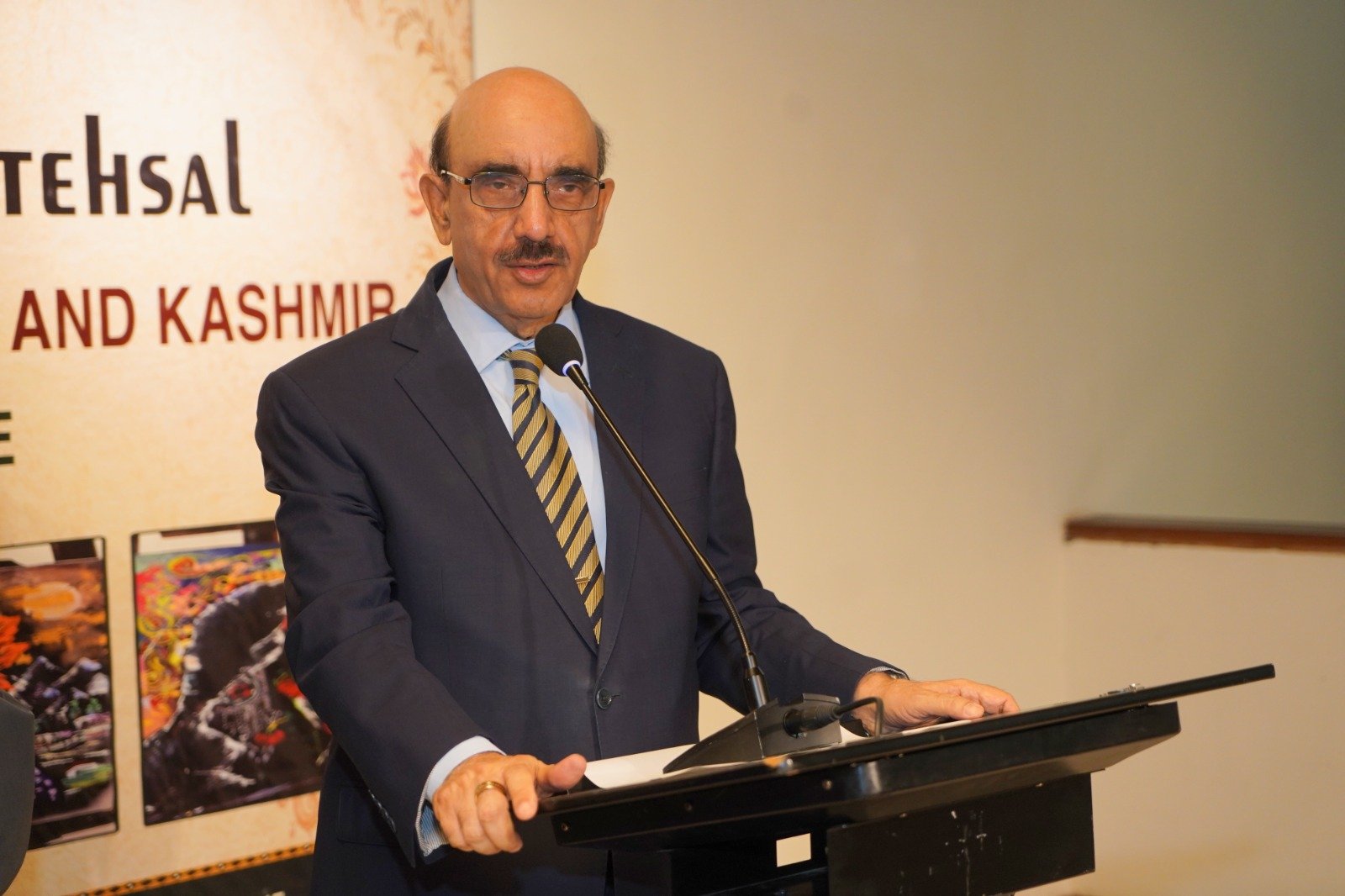
ISLAMABAD — The Pakistan National Council of the Arts (PNCA), in collaboration with the Ministry of Kashmir Affairs and Gilgit-Baltistan, organized a solemn ceremony and a solidarity walk on Saturday to observe Youm-e-Istehsal Kashmir. The event aimed to express support for the people of Kashmir and mark the anniversary of the revocation of Article 370 by India, which granted special autonomy to the region.
What Happened
The PNCA event commenced with a dignified ceremony attended by government officials, artists, and civil society members, emphasizing Pakistan’s unwavering support for Kashmir. The ceremony featured speeches, cultural performances, and a photographic exhibition depicting the struggles faced by the Kashmiri people. A highlight of the event was the solidarity walk, which saw participants carrying banners and placards with messages of support for Kashmir’s right to self-determination.
Minister for Kashmir Affairs and Gilgit-Baltistan, Ali Amin Gandapur, addressed the gathering, reiterating Pakistan’s commitment to the Kashmiri cause. “We stand with our Kashmiri brothers and sisters in their struggle for freedom and justice,” he stated. The minister also called on the international community to take notice of the human rights violations in the region.
The event’s cultural segment included traditional Kashmiri music and dance performances, symbolizing the rich heritage and resilience of the Kashmiri people. The photographic exhibition showcased images of the region’s natural beauty juxtaposed with scenes of conflict and resistance, providing a poignant reminder of the ongoing struggle.
Background
Youm-e-Istehsal Kashmir, observed annually on August 5, marks the day in 2019 when the Indian government abrogated Article 370 of its constitution, revoking the special status of Jammu and Kashmir. This move was met with widespread condemnation in Pakistan and has been a focal point of diplomatic tensions between the two countries. Pakistan has consistently raised the issue at international forums, calling for the restoration of Kashmir’s special status and the implementation of United Nations resolutions on the matter.
The revocation of Article 370 led to significant unrest in the region, with reports of increased military presence, communication blackouts, and restrictions on movement. Human rights organizations have highlighted numerous violations, including arbitrary detentions and the suppression of freedom of expression.
Why It Matters
The observance of Youm-e-Istehsal Kashmir by the PNCA underscores the importance Pakistan places on the Kashmir issue, both domestically and internationally. The event serves as a reminder of the ongoing conflict and the need for a peaceful resolution in line with the aspirations of the Kashmiri people.
Economically, the situation in Kashmir has implications for regional stability, which is crucial for trade and development in South Asia. The persistent tensions between India and Pakistan over Kashmir have historically hindered economic cooperation and growth in the region.
Politically, the Kashmir issue remains a core aspect of Pakistan’s foreign policy. By organizing events like the one held by PNCA, Pakistan seeks to keep the international community engaged with the issue, advocating for dialogue and adherence to international law.
Socially, the solidarity expressed through such events strengthens national unity and reaffirms the commitment of the Pakistani people to support the Kashmiri struggle. It also serves to educate younger generations about the historical and cultural ties between Pakistan and Kashmir.
Key Takeaways
- The PNCA, with the Ministry of Kashmir Affairs, organized a ceremony and walk to observe Youm-e-Istehsal Kashmir.
- The event included speeches, cultural performances, and a photographic exhibition.
- Youm-e-Istehsal Kashmir marks the revocation of Article 370 by India in 2019.
- Pakistan continues to advocate for Kashmir’s right to self-determination on international platforms.
- The observance highlights the socio-political and economic implications of the Kashmir conflict.
Source Attribution
This article is based on official government statements, press releases, and public communications from relevant authorities.














