
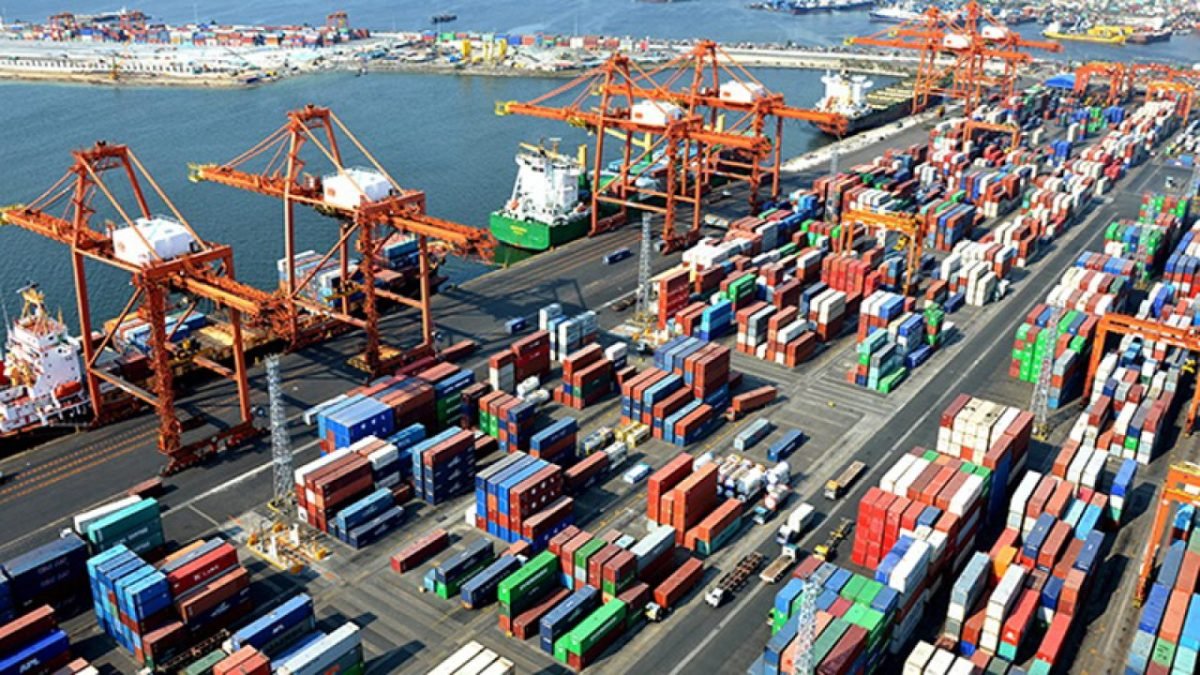
KARACHI — Port Qasim witnessed significant shipping activity as multiple vessels arrived and departed within the last 24 hours, according to official reports. The port saw the berthing of two ships, Star Helena and Gooby, carrying soya bean seed and coal, at the Grain Terminal and Pakistan International Bulk Terminal respectively.
What Happened
The bustling activity at Port Qasim involved the arrival of two additional ships, Seaconger and SK Resolute, which are currently anchored at the outer anchorage. These vessels are laden with palm oil and liquefied natural gas (LNG), adding to the port’s dynamic operations. A total of ten ships were actively engaged at the port’s berths during this period, with five ships—AP Dubrava, Evanthia, Madha Silver, Portofino, and Malak—scheduled to set sail today.
In terms of cargo handling, the port managed a volume of 109,893 tonnes over the last 24 hours. This comprised 105,392 tonnes of imported cargo and 4,501 tonnes of export cargo. The diverse range of imports and exports underscores the port’s role as a critical hub in Pakistan’s maritime logistics.
Currently, there are 12 ships stationed at the outer anchorage of Port Qasim. Among them, four ships—Sibi, Sea Conger, SK Resolute, and OBE Queen—along with two additional vessels, Spirit of Bertram and Hua Chuang, are scheduled to load and offload rice, palm oil, LNG, coal, and containers. These operations are planned to take place at various berths, including MW-1, LCT, EETL, MW-4, and QICT, further demonstrating the port’s capacity to handle a variety of cargo.
Background
Port Qasim, located near Karachi, is one of Pakistan’s busiest ports, playing a pivotal role in the country’s trade and logistics sector. Established in the 1970s, it has been instrumental in facilitating the import and export of goods, thus contributing significantly to the national economy. Over the years, the port has expanded its facilities to accommodate a growing number of vessels and a wider range of cargo types.
The port’s strategic location and its capacity to handle large volumes of cargo make it a key player in the region’s maritime activities. It serves as a critical gateway for trade, connecting Pakistan with global markets and supporting the country’s economic growth.
Why It Matters
The increased activity at Port Qasim is indicative of the growing demand for maritime trade in Pakistan. As the country seeks to boost its economic output, efficient port operations are crucial for supporting industrial growth and ensuring the smooth flow of goods. The diverse range of cargo being handled, from agricultural products to energy resources, highlights the port’s versatility and its importance in meeting the country’s import and export needs.
Economically, the port’s operations have a direct impact on various sectors, including agriculture, energy, and manufacturing. By facilitating the import of essential commodities like LNG and coal, Port Qasim supports the country’s energy needs, which are vital for industrial and domestic consumption. Additionally, the export of goods such as rice contributes to the agricultural sector’s growth, providing a boost to local farmers and exporters.
On a broader scale, the port’s activities have implications for Pakistan’s trade balance and foreign exchange reserves. Efficient handling of imports and exports can help reduce trade deficits and strengthen the country’s economic position in the international market.
Key Takeaways
- Port Qasim saw the arrival and departure of multiple ships, handling over 109,000 tonnes of cargo.
- The port currently hosts 12 ships at its outer anchorage, with various cargo operations scheduled.
- Port Qasim plays a crucial role in Pakistan’s trade, supporting diverse sectors including energy and agriculture.
- Efficient port operations are vital for Pakistan’s economic growth and international trade relations.
- The port’s activities contribute to balancing trade deficits and enhancing foreign exchange reserves.
Source Attribution
This article is based on official government statements, press releases, and public communications from relevant authorities.














