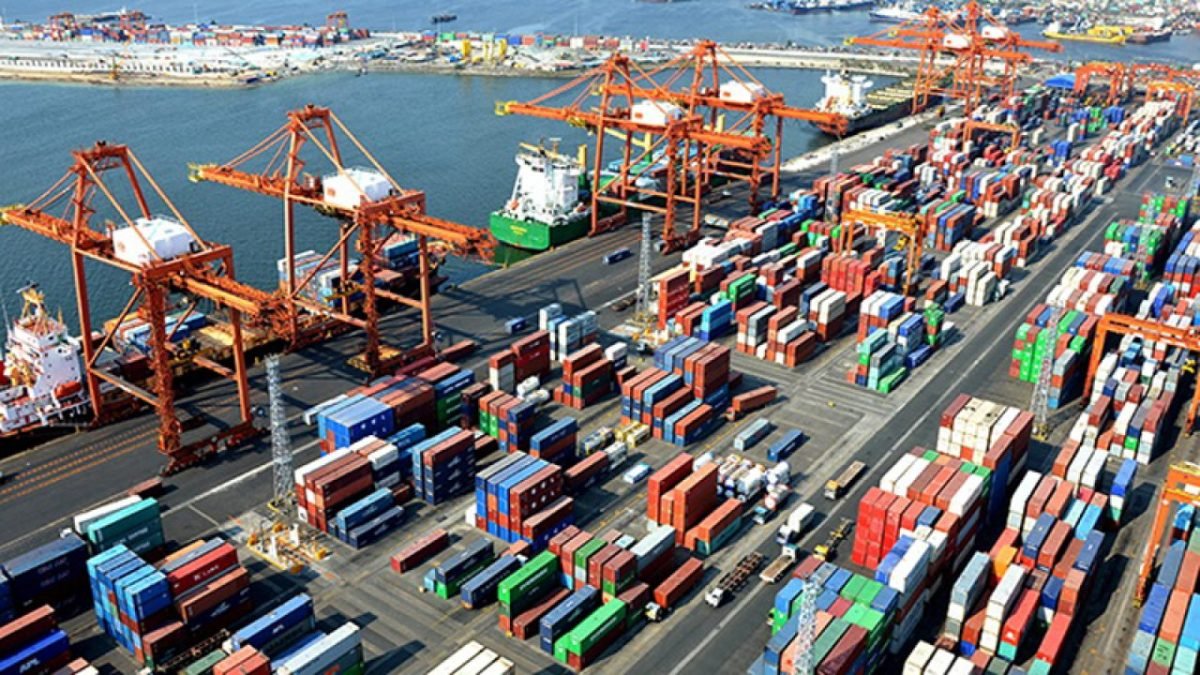
KARACHI — Port Qasim experienced a surge in shipping activity as two vessels, BGS Bimini and DP World Chennai, along with Orca-02, docked at the port on Thursday. These ships, carrying containers and palm oil, berthed at the Qasim International Bulk Terminal and the Liquid Cargo Terminal, respectively, marking a significant uptick in the port’s operational throughput.
What Happened
The arrival of the BGS Bimini and DP World Chennai at Port Qasim underscores the port’s growing importance in regional trade. BGS Bimini, a container vessel, and DP World Chennai, a bulk carrier, were reported to have berthed at the Qasim International Bulk Terminal. Meanwhile, Orca-02, a ship transporting palm oil, docked at the Liquid Cargo Terminal. This activity highlights the port’s capacity to handle diverse types of cargo, contributing to its strategic role in Pakistan’s maritime logistics.
Port authorities noted that the docking of these vessels was efficiently managed, ensuring minimal turnaround time. A spokesperson from Port Qasim Authority stated, “Our facilities are equipped to handle a wide range of cargo efficiently, and the recent arrivals demonstrate our capability to manage increased shipping traffic.”
The port’s infrastructure has been steadily upgraded to accommodate larger vessels and more complex logistics operations, which is crucial for maintaining its competitive edge in the region. The recent arrivals are part of a broader trend of increasing maritime traffic at Port Qasim, reflecting its strategic importance in facilitating trade routes that connect Pakistan with global markets.
Background
Port Qasim, located near Karachi, is one of Pakistan’s major seaports, playing a pivotal role in the country’s trade and logistics. Established in the 1970s, the port has undergone several phases of expansion and modernization to enhance its capacity and efficiency. It serves as a critical hub for imports and exports, handling a significant portion of Pakistan’s maritime trade.
The port’s strategic location near major shipping routes and its proximity to industrial zones make it an attractive choice for shipping lines and logistics companies. Over the years, Port Qasim has seen a steady increase in cargo volume, driven by Pakistan’s growing trade activities and infrastructure development initiatives.
Why It Matters
The increased shipping activity at Port Qasim is indicative of Pakistan’s expanding trade network and economic growth. As the country seeks to enhance its trade relations with international partners, efficient port operations are crucial for ensuring timely and cost-effective logistics solutions. The ability to handle diverse cargo types, such as containers and bulk commodities like palm oil, positions Port Qasim as a versatile and reliable maritime gateway.
Economically, the port’s performance has direct implications for Pakistan’s trade balance and industrial output. By facilitating the import of essential commodities and the export of local products, Port Qasim supports various sectors, including manufacturing, agriculture, and retail. This, in turn, contributes to job creation and economic stability in the region.
On an international level, the port’s operational efficiency enhances Pakistan’s standing as a competitive player in global trade. As regional trade dynamics evolve, maintaining robust port infrastructure and services becomes increasingly important for attracting foreign investment and fostering economic partnerships.
Key Takeaways
- Port Qasim witnessed increased shipping activity with the arrival of BGS Bimini, DP World Chennai, and Orca-02.
- The port’s ability to handle diverse cargo types underscores its strategic importance in regional trade.
- Efficient port operations are crucial for supporting Pakistan’s economic growth and trade balance.
- Port Qasim’s infrastructure upgrades enhance its capacity to accommodate larger vessels and complex logistics.
- The port’s performance impacts job creation and economic stability in the region.
Source Attribution
This article is based on official government statements, press releases, and public communications from relevant authorities.