
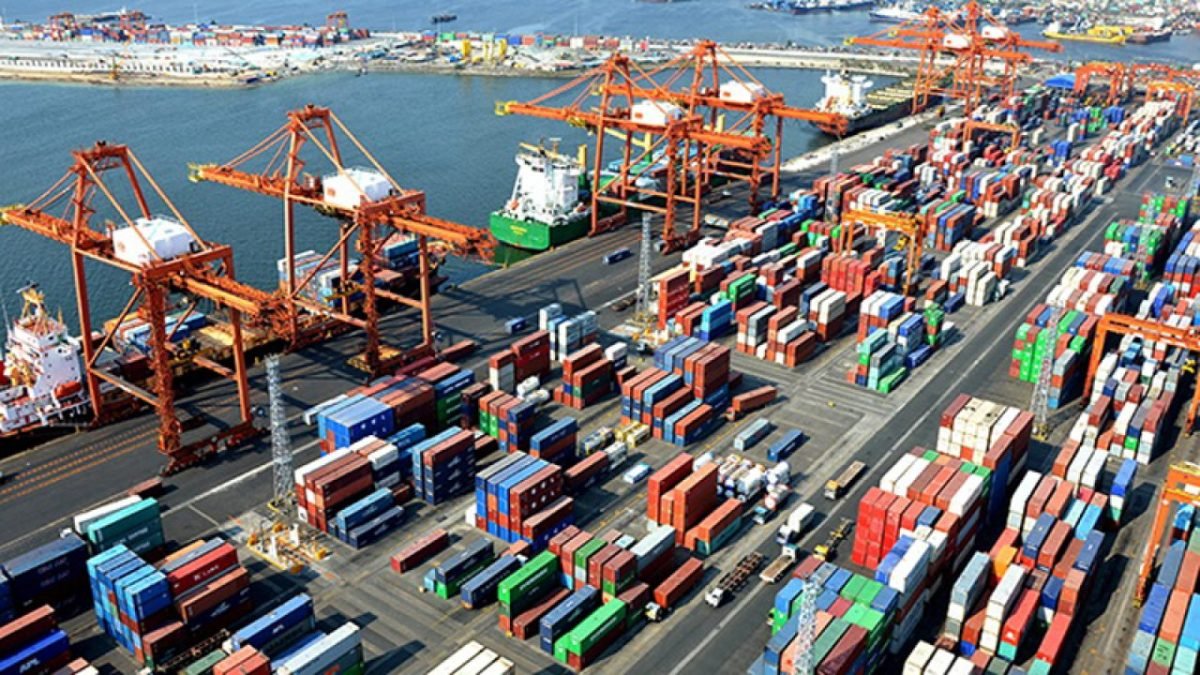
ISLAMABAD — Port Qasim witnessed significant shipping activity on August 6 as five vessels docked at various terminals, carrying a mix of containerized goods, palm oil, soybean seeds, and coal. The ships, identified as Tucapel, BSG Bimini, PST Genesis, Cymona Pride, and ES Warrior, berthed at the Qasim International Container Terminal, Liquid Cargo Terminal, Grain Terminal, and Pakistan International Bulk Terminal.
What Happened
On August 6, Port Qasim, one of Pakistan’s major seaports, experienced a surge in shipping activity. The port accommodated five ships, each carrying different types of cargo essential for various sectors of the economy. The ships included Tucapel, BSG Bimini, PST Genesis, Cymona Pride, and ES Warrior. These vessels berthed at the Qasim International Container Terminal, Liquid Cargo Terminal, Grain Terminal, and Pakistan International Bulk Terminal, indicating a diverse range of imports.
The Tucapel and BSG Bimini were responsible for delivering containerized goods, which are crucial for the retail and manufacturing sectors. PST Genesis brought in palm oil, a key ingredient in the food processing industry. Cymona Pride delivered soybean seeds, which are essential for the agricultural sector, particularly for livestock feed. Lastly, ES Warrior carried coal, a vital resource for Pakistan’s energy and industrial sectors.
This influx of ships and their diverse cargo highlights the strategic importance of Port Qasim in facilitating international trade and supporting the country’s economic activities. The port’s ability to handle a variety of goods simultaneously demonstrates its capacity and efficiency in managing large-scale shipping operations.
Background
Port Qasim, located near Karachi, is one of Pakistan’s busiest ports, handling a significant portion of the country’s maritime trade. Established in the late 1970s, the port has grown to become a crucial hub for imports and exports, serving as a gateway for goods entering and leaving Pakistan. The port’s infrastructure includes multiple terminals designed to handle different types of cargo, such as containers, liquid bulk, dry bulk, and general cargo.
Historically, Port Qasim has played a vital role in supporting Pakistan’s economic growth by facilitating the import of essential commodities and raw materials. The port’s strategic location and modern facilities make it a preferred choice for international shipping lines, contributing to the country’s trade and commerce.
Why It Matters
The recent shipping activity at Port Qasim is significant for several reasons. Economically, the arrival of these ships with diverse cargo supports various industries across Pakistan. The import of containerized goods helps sustain the retail and manufacturing sectors, ensuring a steady supply of products for consumers and businesses. The palm oil shipment is crucial for the food processing industry, which relies on this commodity for producing a wide range of products.
Agriculturally, the soybean seeds delivered by Cymona Pride are vital for livestock feed production, supporting the country’s agricultural sector and food security. The coal shipment by ES Warrior is particularly important for Pakistan’s energy sector, as coal is a key resource for power generation and industrial processes.
Politically, the efficient handling of such diverse cargo at Port Qasim reflects positively on Pakistan’s trade infrastructure, potentially attracting more international shipping lines to use the port. This could lead to increased trade volumes, boosting the country’s economy and strengthening its position in the global trade network.
Key Takeaways
- Port Qasim received five ships on August 6, carrying containerized goods, palm oil, soybean seeds, and coal.
- The ships berthed at various terminals, including the Qasim International Container Terminal and Liquid Cargo Terminal.
- The diverse cargo supports multiple sectors, including retail, manufacturing, agriculture, and energy.
- The efficient handling of these shipments highlights Port Qasim’s strategic importance in international trade.
- The activity underscores the port’s role in facilitating Pakistan’s economic growth and trade infrastructure.
Source Attribution
This article is based on official government statements, press releases, and public communications from relevant authorities.














