
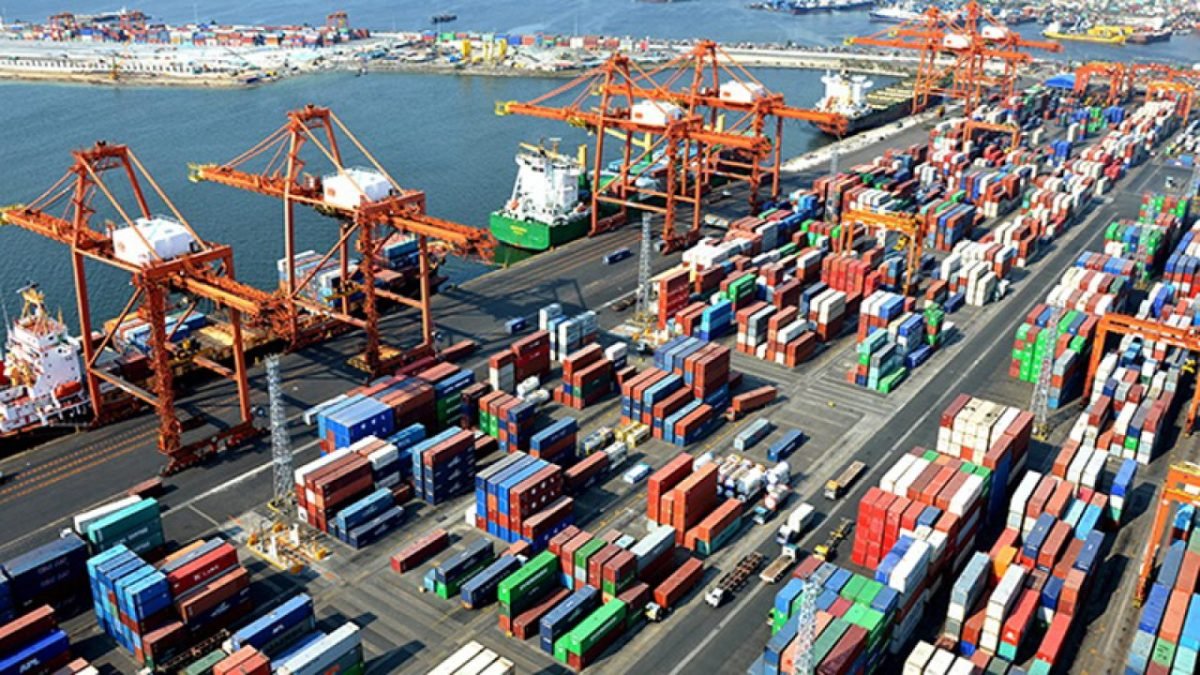
KARACHI — Port Qasim experienced increased shipping activity as three vessels berthed at its terminals on August 3, 2023. The ships, namely DP World Chennai, Malmo, and My Dream, arrived carrying containers, palm oil, and coal, respectively, enhancing the port’s operational throughput.
What Happened
On August 3, 2023, Port Qasim witnessed the docking of three significant vessels, each serving a different sector of the shipping industry. The DP World Chennai, a container ship, berthed at the Qasim International Container Terminal, contributing to the port’s container handling capacity. Meanwhile, the vessel Malmo, carrying a shipment of palm oil, docked at the Liquid Cargo Terminal, highlighting the port’s role in the import of essential commodities. Additionally, the bulk carrier My Dream arrived with a load of coal, anchoring at the Bulk Cargo Terminal, which underscores the port’s importance in supporting Pakistan’s energy sector.
In addition to these arrivals, six more ships are scheduled to dock at Port Qasim. These include Mol Earnest, CMA CGM Nile, Star Cape Town, Peonia, and PST, all of which are expected to further boost the port’s activity levels and operational capacity. This influx of vessels is indicative of Port Qasim’s strategic importance in handling diverse cargo types, ranging from containerized goods to bulk commodities.
Background
Port Qasim, located in Karachi, is one of Pakistan’s premier maritime facilities, playing a crucial role in the country’s trade and logistics networks. Established in the late 1970s, the port has undergone significant expansions to accommodate growing trade volumes. It serves as a key node for imports and exports, handling a variety of cargo types, including containers, liquid bulk, and dry bulk. The port’s strategic location and modern infrastructure make it a vital hub for both domestic and international shipping lines.
Historically, Port Qasim has been instrumental in supporting Pakistan’s economic growth by facilitating trade flows and providing employment opportunities. The port’s operations are governed by the Port Qasim Authority, which oversees its development and ensures compliance with international maritime standards.
Why It Matters
The recent surge in shipping activity at Port Qasim holds significant implications for Pakistan’s economy. As a major gateway for trade, the port’s ability to efficiently handle diverse cargo types directly impacts the country’s import and export capabilities. The arrival of container ships like DP World Chennai supports Pakistan’s manufacturing and retail sectors by ensuring the steady flow of goods and materials. This, in turn, helps stabilize market prices and supply chains, benefiting consumers and businesses alike.
The docking of the Malmo with palm oil imports is particularly crucial given Pakistan’s reliance on palm oil for both industrial and domestic use. Palm oil is a key ingredient in many food products and is also used in the production of biofuels. Ensuring a steady supply of this commodity helps mitigate potential shortages and price volatility in the market.
Moreover, the arrival of the bulk carrier My Dream with coal shipments is vital for Pakistan’s energy sector. Coal remains a significant source of energy for the country, and its import is essential for power generation and industrial use. Efficient handling of coal shipments at Port Qasim supports energy security and helps meet the growing demand for electricity.
Overall, the increased shipping activity at Port Qasim underscores the port’s role in bolstering Pakistan’s trade infrastructure and economic resilience. It highlights the interconnectedness of global supply chains and the importance of maintaining robust maritime logistics capabilities.
Key Takeaways
- Three ships, including DP World Chennai, Malmo, and My Dream, recently berthed at Port Qasim.
- The port handled diverse cargo types: containers, palm oil, and coal.
- Six additional ships are scheduled to arrive, further boosting port activity.
- Port Qasim is crucial for Pakistan’s trade, supporting various economic sectors.
- The port’s operations impact energy security, market stability, and supply chains.
Source Attribution
This article is based on official government statements, press releases, and public communications from relevant authorities.














