
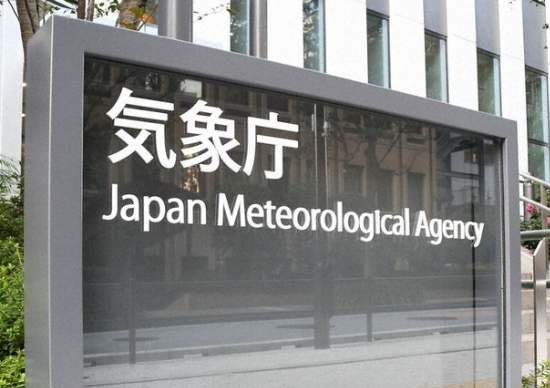
ISLAMABAD — A large and powerful typhoon is moving westward from a Pacific island, but it is not anticipated to impact the southwestern regions of Japan that were recently struck by a significant earthquake, according to the Japanese weather agency on Tuesday.
What Happened
The Japan Meteorological Agency (JMA) has issued warnings about a potent typhoon advancing westward from a Pacific island. The agency cautioned that the typhoon could bring high waves and strong winds to certain areas. However, it assured that the typhoon is not expected to directly affect the southwestern parts of Japan, which are still reeling from the aftermath of a recent major earthquake.
The JMA’s forecast comes as a relief to the residents of southwestern Japan, who are currently dealing with the challenges posed by the earthquake’s destruction. The agency has been closely monitoring the typhoon’s path to ensure timely updates and warnings to the public. The typhoon’s trajectory suggests that it will likely bypass the quake-affected regions, sparing them from further natural calamities.
Despite the reassurance, the JMA has urged residents in other potentially affected areas to remain vigilant and take necessary precautions against possible high waves and strong winds. The agency continues to track the typhoon’s movement and will provide updates as the situation develops.
Background
Japan is no stranger to natural disasters, frequently experiencing earthquakes, typhoons, and tsunamis due to its geographical location along the Pacific Ring of Fire. The recent earthquake that struck southwestern Japan caused significant damage, leading to concerns about the region’s vulnerability to subsequent natural events.
Historically, Japan has implemented rigorous disaster preparedness and response measures to mitigate the impact of such events. The country’s early warning systems and infrastructure are designed to withstand earthquakes and typhoons, minimizing casualties and property damage. However, the compounded effects of multiple disasters can strain even the most robust systems.
Why It Matters
The potential avoidance of a direct hit by the typhoon on the quake-affected regions is critical for several reasons. Firstly, it allows the local authorities and residents to focus on recovery and rebuilding efforts without the immediate threat of another disaster. This is crucial for restoring normalcy and providing relief to those affected by the earthquake.
Economically, avoiding additional damage from the typhoon means that resources can be allocated more efficiently towards rehabilitation rather than emergency response. This can expedite the recovery process, helping businesses and communities to recover faster and resume normal operations.
Socially, the news brings a sense of relief and stability to the residents of southwestern Japan, who have been living under the stress of potential further calamities. It allows them to concentrate on healing and rebuilding their lives without the added anxiety of another impending disaster.
On an international level, Japan’s handling of such situations continues to serve as a model for disaster preparedness and response. The country’s ability to manage and mitigate the effects of natural disasters is closely watched by other nations facing similar challenges.
Key Takeaways
- The Japan Meteorological Agency reports a powerful typhoon moving westward but not expected to hit quake-affected southwestern Japan.
- Warnings of high waves and strong winds have been issued for other regions potentially in the typhoon’s path.
- Southwestern Japan is currently focused on recovery from a recent major earthquake.
- Avoiding a direct typhoon hit allows for more effective allocation of resources towards recovery efforts.
- Japan’s disaster management strategies remain a global benchmark for preparedness and response.
Source Attribution
This article is based on official statements and public communications from the Japan Meteorological Agency.














